
 Water damage drying
 Fire & smoke cleanup
 Mold remediation
 Storm response
 Sewage cleanup
 Reconstruction
Free visual inspection and a written scope of work before any mitigation begins - photos, moisture readings, and drying logs go in your claim file
The scope we write is the scope we bill. Anything new gets shown to you, in writing, before we touch it.
Get your free estimateFast, Reliable Water Damage Restoration Across La Habra
Water damage restoration in La Habra usually runs $1,800 – $6,500 depending on how far the water traveled and what it soaked. Most jobs we handle in 90631, 90632, and 90633 involve slab leaks, storm-driven rain intrusion, or failed water heaters, and we can typically have a crew on site within 60 – 90 minutes. If you’re standing in water right now, call (888) 508-8745 before you read another sentence.
La Habra’s mix of 1950s ranch tracts and newer hillside builds means the damage patterns here differ block by block. A home off Whittier Boulevard will fail differently than one above Coyote Creek. We know both, because we’ve worked both. The goal is the same either way: get moisture out, document everything for insurance, and restore the structure to pre-loss condition without tearing out more than necessary.
Why Clean Slate Water Damage Is La Habra’s Preferred Water Damage Restoration Company
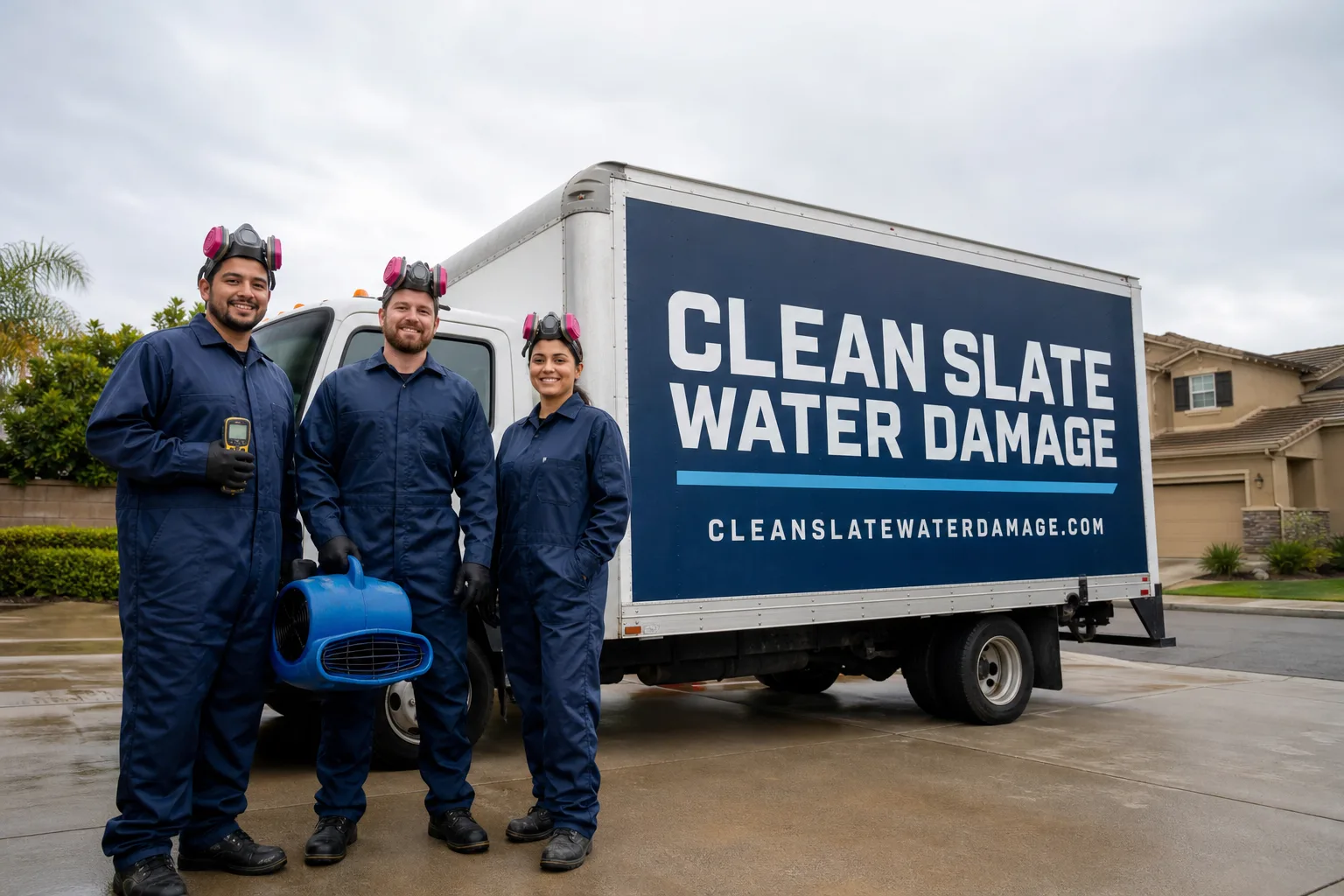
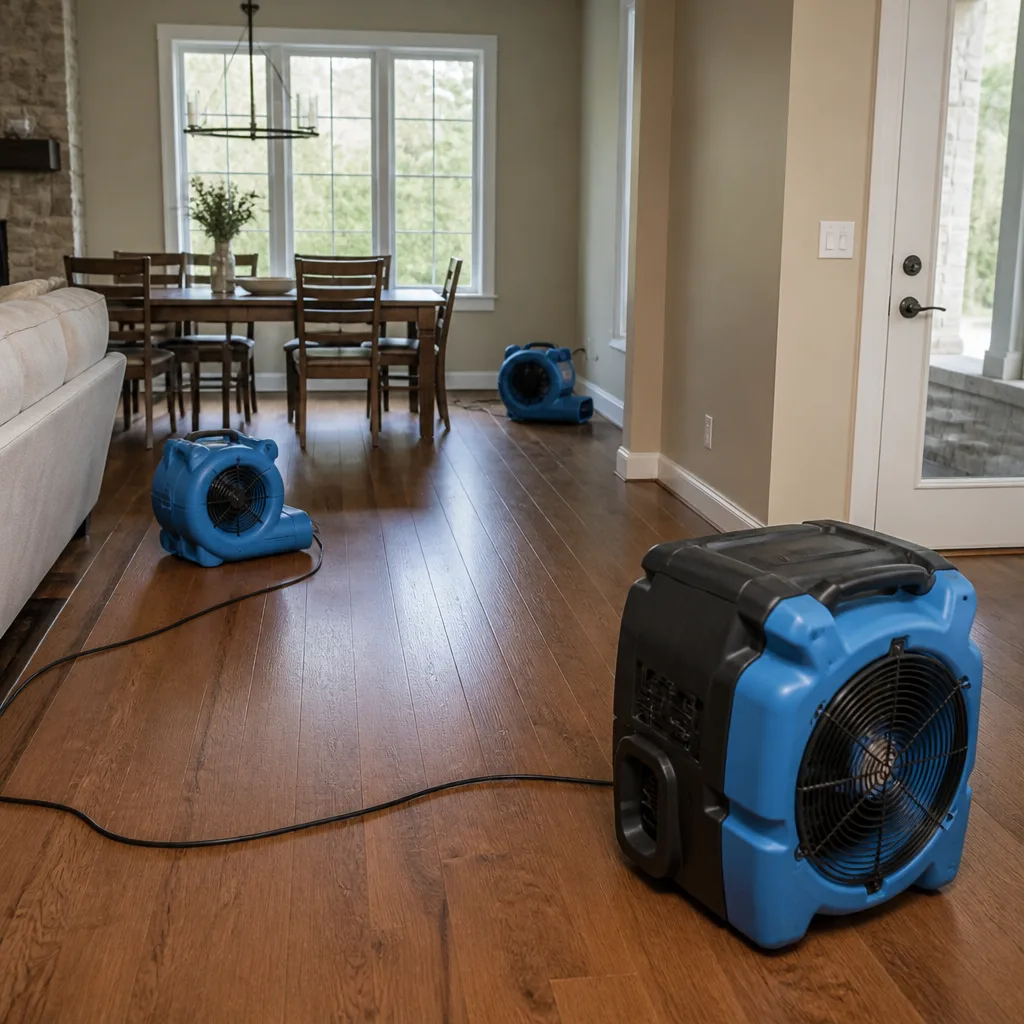
Homeowners in La Habra call us because we show up with equipment that actually dries structures, not hardware-store fans and a wet vac. Our crews run Dri-Eaz LGR dehumidifiers, Phoenix air movers, and the Injectidry system for drying inside wall cavities and subfloors. That last one matters in La Habra specifically, because so many of the mid-century homes off La Habra Boulevard and Lambert Road have plaster walls and oak flooring that respond badly to demolition-style drying. Injectidry lets us dry inside the assembly without pulling everything apart.
Noel Carrasco leads our restoration team, and he’s the one who sets the standard for how we document every job. That means photos before, during, and after, moisture readings on a log, and a written scope before any work starts. No guesswork, no overselling. Just a clear record an adjuster can read without asking twenty questions.
We serve La Habra as part of our broader Water Damage Restoration operation, which means we carry the same professional certification alignment whether the job is a condo near La Habra Boulevard or a 4,000-square-foot custom home in the hills. Response to La Habra from our Pomona base is typically under 90 minutes for emergency calls, faster if traffic on the 60 and 57 cooperates.
Restoration work we handle
Flooded Basement in La Habra
Flooded Basement work in La Habra typically costs $2,200 – $5,800 depending on water category, square footage, and whether the water reached finished walls or stayed on concrete. Basements are less common here than in other parts of Southern California, but the ones that exist tend to be in the older 90631 tract homes, where a failed sump or a cracked foundation wall during a heavy winter rain burst creates the problem fast.
Extraction and Containment
We start with standing water removal using truck-mounted or portable extraction units, then set containment if the water is Category 2 or 3. In La Habra basements with original concrete, that often means cutting back baseboard and drilling weep holes to release water trapped behind walls. Dri-Eaz dehumidifiers and Phoenix air movers then run until readings confirm the structure is dry, not just the surface.
When Basement Water Means Slab Work
Some La Habra basements sit below grade and share a wall with the home’s slab plumbing. When an original galvanized supply line fails under the slab, hydrostatic pressure can push that water into the basement faster than any sump pump handles. We check for that pattern specifically in 1950s-era homes off Lambert Road, because it’s so common there that we look for it on almost every wet basement call.
Water Extraction in La Habra
Water Extraction in La Habra runs $800 – $2,400 for a typical single-room job, and it’s the first thing you need before any drying can start. Standing water doesn’t wait. Every hour it sits, it wicks further up drywall and deeper into subfloor. We use professional-grade extraction equipment, not a shop vac, to pull water from carpet, pad, tile, and hardwood.
What Extraction Actually Removes
The visible water is only part of the problem. Extraction also pulls water from carpet pad, which holds several times its weight, and from beneath vinyl plank flooring, which traps moisture in a perfect mold environment. On La Habra slab homes, we also check whether water is traveling under the slab through plumbing channels, which changes the extraction plan entirely.
After the Water Is Out
Once extraction is complete, we map moisture with thermal imaging and set the drying plan. That plan includes dehumidifier placement, air mover count, and whether Injectidry panels are needed for wall cavities. You get a written drying log with daily readings, so you can see the numbers moving toward pre-loss condition, not just take our word for it.
Trusted Brands We Service in La Habra
We run Dri-Eaz, Phoenix, and XPOWER equipment on La Habra jobs because those are the brands that dry structures to standard, not just “feel dry.” Our trucks carry the accessories and parts needed for these systems, so if a dehumidifier needs a filter or a hose fails mid-job, we don’t have to wait on a supplier. For La Habra homeowners, that means less downtime between extraction and drying. The Injectidry system rounds out the lineup, letting us dry inside walls and under floors where air movers alone can’t reach, which matters in the older plaster-and-hardwood homes that fill the 90631 ZIP code.
See the difference
 Before
 After
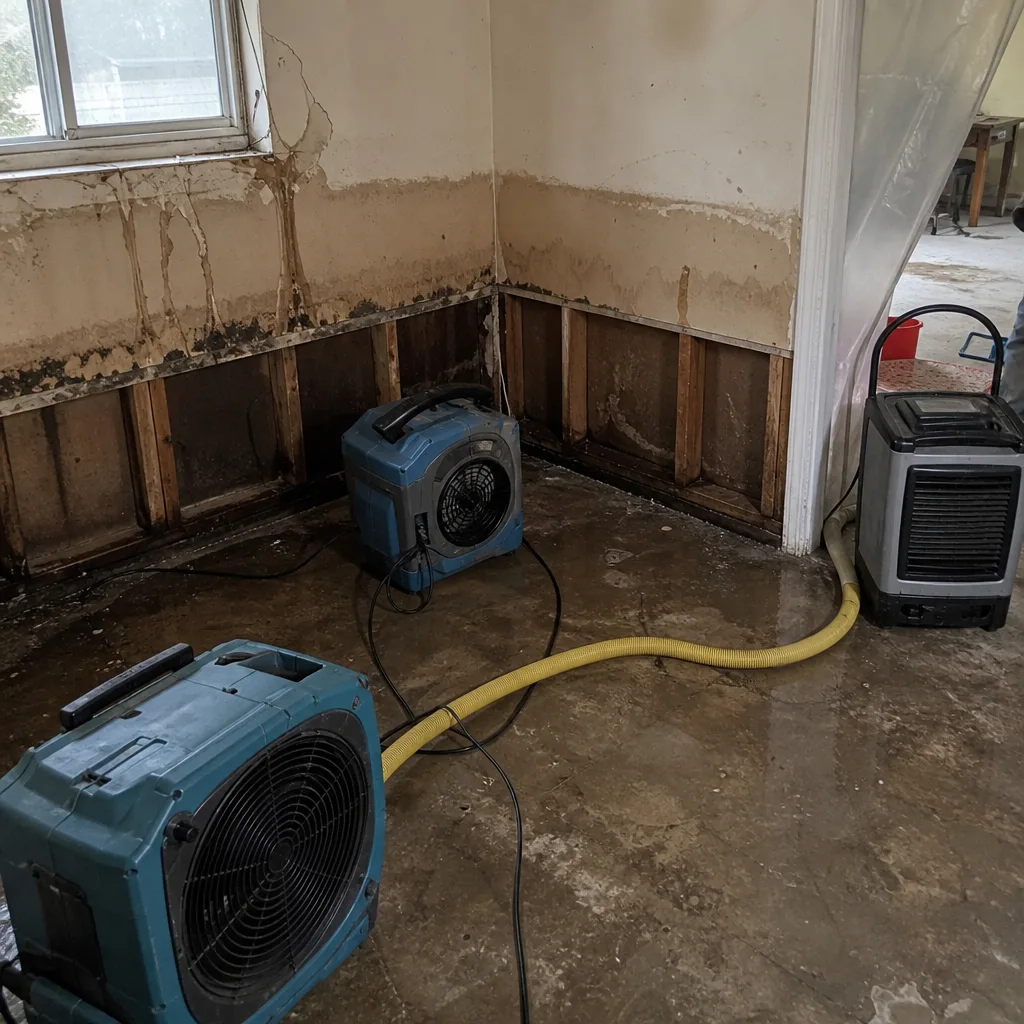 Before
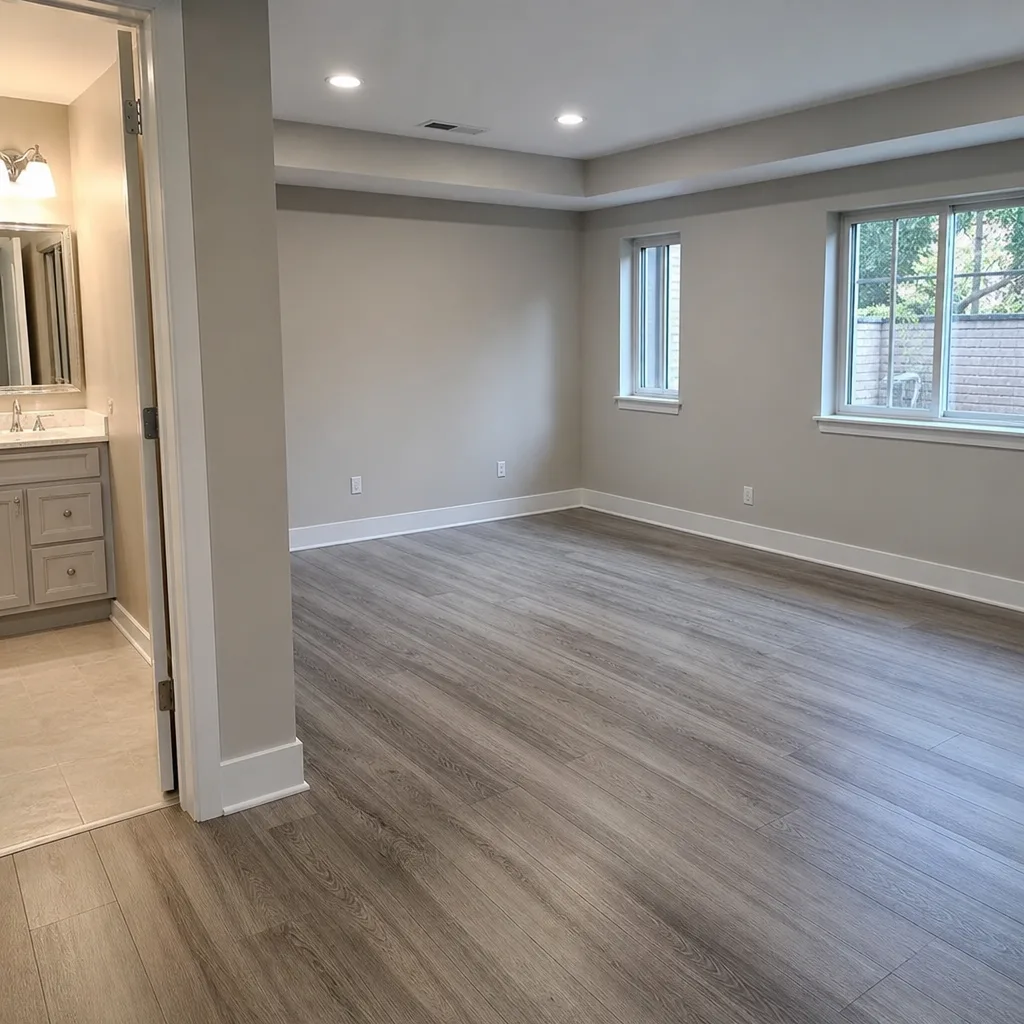 After
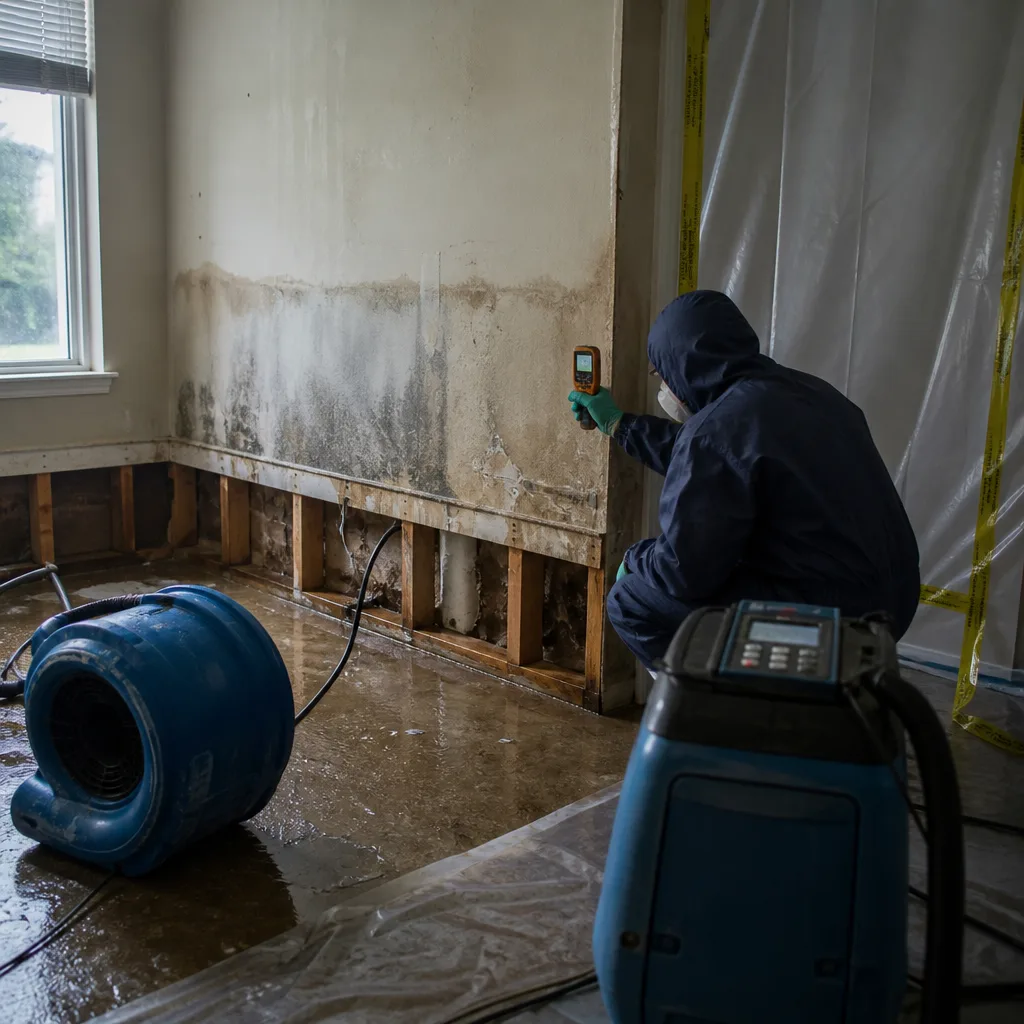 Before
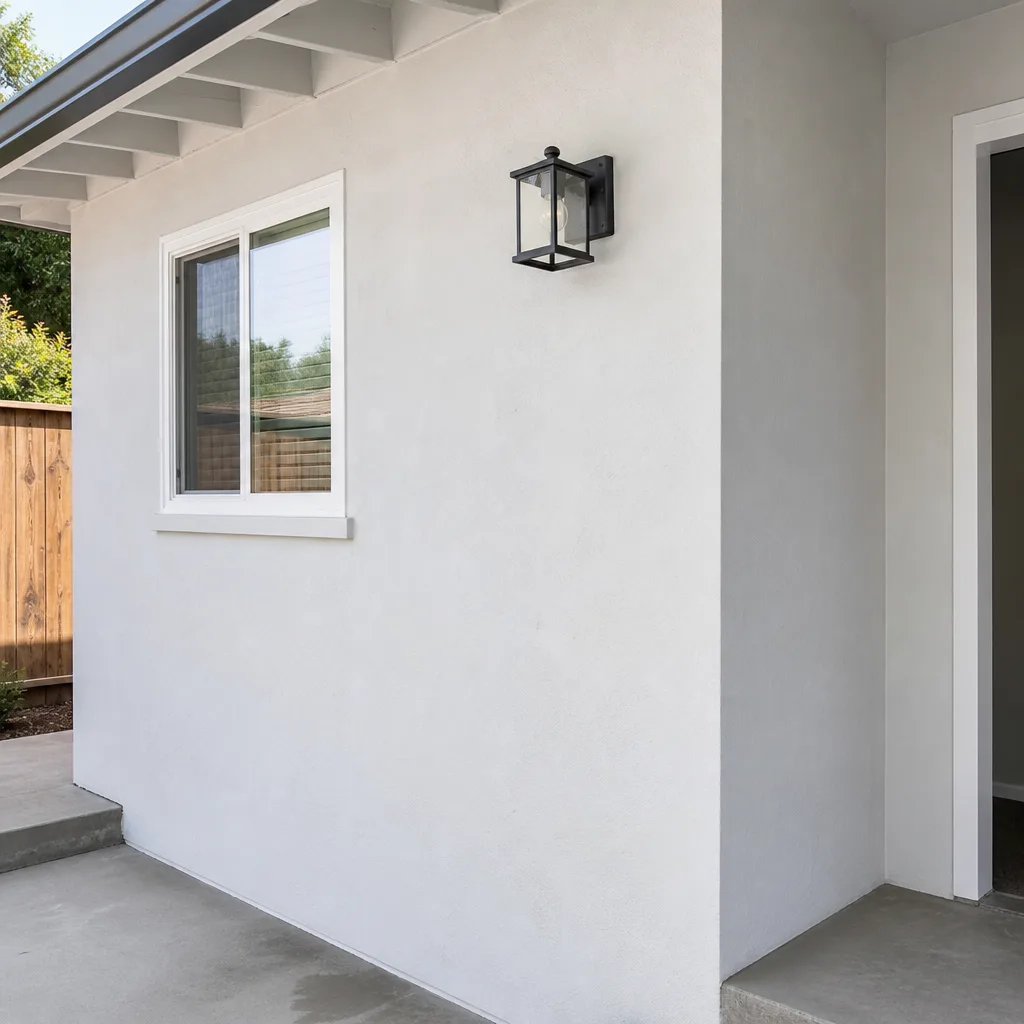 After
Common Water Damage Restoration Problems We See in La Habra Homes
- Galvanized pipe slab leaks in 1950s tracts. The original steel supply lines under homes off La Habra Boulevard and Lambert Road corrode from the inside out, and when they fail, water travels up through the slab into flooring and walls. By the time you see it, Category 2 water damage has usually spread through multiple rooms.
- Wind-driven rain through aging doors and thresholds. Mid-century ranch homes were built before modern weather barriers were standard, so Santa Ana wind events push rain through worn door seals and into wall cavities that have no drain path. The damage hides until baseboards start swelling weeks later.
- Post-fire runoff in the Coyote Hills. Hillside custom homes above Coyote Creek face a specific pattern: after a brush fire strips vegetation, the next rain channels muddy debris down slopes and into foundations and garages. That water is almost always Category 3, meaning full containment and removal are required.
- Water heater failures in garage utility closets. La Habra’s older homes often have water heaters in attached garages or interior closets with no drain pan or leak sensor. When the tank fails, water spreads under walls and into adjacent living space before anyone notices.
Pricing for Water Damage Restoration in La Habra, CA
We Also Serve Cities Near La Habra
Our crews regularly work in Fullerton, Brea, Buena Park, and Placentia, so if your property sits near the La Habra border or you manage rentals across north Orange County, we can handle the entire portfolio. We’re the Water Damage Restoration in La Habra team that shows up prepared, and we bring the same equipment and standards to every surrounding city we cover.
Serving La Habra, CA — Our Local Coverage Area
We’re based in the La Habra area and know this community well. Use the map below to see our service coverage — if you’re nearby, we can almost certainly help.
FAQs About Water Damage Restoration in La Habra
How does La Habra’s wind-driven rain affect water damage restoration in mid-century ranch homes?
Wind-driven rain hits La Habra’s 1950s and 1960s ranch homes harder than newer construction because those homes lack the modern weather barriers and flashing systems that keep water out of wall cavities. When Santa Ana winds push rain horizontally, it enters through worn door seals, window frames, and roof edge gaps, then saturates insulation and drywall from inside. Restoration in these homes often requires opening wall cavities to dry them properly, since surface drying alone will leave hidden moisture that leads to mold. Call (888) 508-8745 if you suspect wind-driven rain got into your walls, and we’ll map the moisture and give you a straight answer.
Why do slab leaks from galvanized pipes under La Habra homes often lead to Category 2 water damage?
Original galvanized steel supply lines under 1950s La Habra slabs corrode silently, and when they fail, the water is already contaminated from contact with soil and building materials by the time it surfaces. That makes it Category 2 water, which requires antimicrobial treatment and containment, not just drying. The delay between pipe failure and visible damage often means the water has traveled through multiple rooms under flooring, spreading further than homeowners realize. We handle this exact scenario regularly off La Habra Boulevard and Lambert Road, and we know how to scope it for insurance documentation.
What should hillside homeowners above Coyote Creek do before storm season to prevent water damage?
Hillside homeowners above Coyote Creek should inspect foundation drains, exterior waterproofing, and any area where runoff channels could direct water toward the home before the first major rain event. After a brush fire in the Coyote Hills or Puente Hills, the risk rises sharply because burned slopes lose vegetation that once slowed runoff. Muddy, debris-laden water entering a foundation or garage is typically Category 3 and requires full containment, extraction, and removal of affected materials. A pre-season inspection identifies the weak points before the storm does the damage.
Can you handle both flooded basements and water extraction in La Habra’s older tract homes?
Yes. We handle both flooded basement work and water extraction throughout 90631, 90632, and 90633, including the 1950s tract homes where basements are rare but serious when they do exist. The process starts with extraction of standing water, then moves to structural drying with Dri-Eaz dehumidifiers and Phoenix air movers. In basements with concrete walls, we also drill weep holes and remove baseboard as needed to release trapped water. One crew handles the entire job from extraction to final drying log, so you’re not coordinating multiple contractors.
What does a typical water damage restoration scope of work include for a La Habra home after a storm?
A typical post-storm scope for a La Habra home includes water extraction, containment setup, structural drying with dehumidifiers and air movers, moisture mapping with thermal imaging, antimicrobial treatment where needed, and daily drying logs with moisture readings until the structure reaches pre-loss condition. If wall cavities are wet, we may use the Injectidry system to dry inside them without unnecessary demolition. The scope is documented in writing with photos and line items, and we bill your insurance directly with the documentation adjusters expect to see.
Written by Noel Carrasco, Owner at Clean Slate Water Damage, serving La Habra with professional-grade restoration since day one.