

 Water damage drying
 Fire & smoke cleanup
 Mold remediation
 Storm response
 Sewage cleanup
 Reconstruction
Free visual inspection and a written scope of work before any mitigation begins - photos, moisture readings, and drying logs go in your claim file
The scope we write is the scope we bill. Anything new gets shown to you, in writing, before we touch it.
Get your free estimateFast, Reliable Water Damage Restoration Across San Antonio Heights
When water invades a home in San Antonio Heights, the clock starts on structural damage and mold growth. Our crews reach homes here fast, typically within 60 to 90 minutes, with commercial-grade extraction and drying systems loaded and ready. We know the winding roads off Euclid Avenue, the hillside lots above 24th Street, and the older construction along Mountain View Drive. Call (888) 508-8745 now and we’ll have equipment running before the water has time to wick deeper into framing and stucco.
San Antonio Heights sits on an alluvial fan directly below the San Gabriel Mountains. That geography shapes how water behaves when it enters a home here. The same steep grades that give the community its views also send storm runoff down slopes and into foundations, garages, and lower-level rooms. Add the winter rain pattern and the Santa Ana wind cycle, and you get a specific restoration profile we’ve learned to read quickly.
Why Clean Slate Water Damage Is San Antonio Heights’s Preferred Water Damage Restoration Company
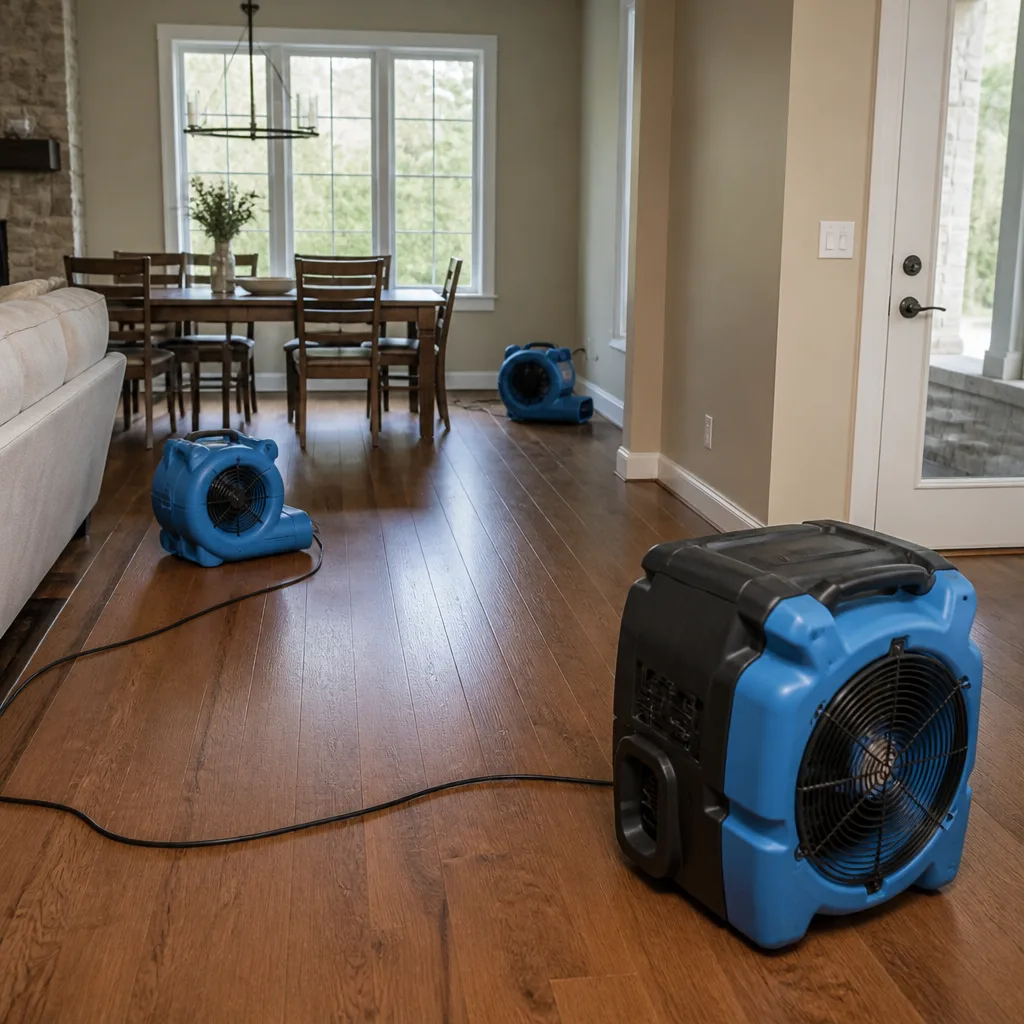
Property owners here have a lot at stake. The housing stock leans heavily toward mid-century single-family homes from the 1950s through the 1980s, many with original galvanized plumbing, low-slope roof sections, and stucco exteriors that crack under years of dry heat. When water gets inside those homes, the damage complicates fast. Our Water Damage Restoration team arrives with the same equipment top-tier restoration firms use nationwide: Dri-Eaz dehumidifiers, Phoenix air movers, XPOWER extraction units, B-Air filtration, and the Injectidry system for drying inside wall cavities without demolition. We don’t rent hardware-store fans and hope for the best.
What builds trust in San Antonio Heights isn’t marketing language. It’s showing up with moisture meters, thermal imaging, and a written drying plan. It’s documenting every step for the insurance adjuster. Noel Carrasco leads our restoration team with a focus on verified pre-loss condition, not surface-level drying. Homeowners here consistently tell us the same thing after the job ends: they didn’t realize how much moisture was still hiding until we mapped it and removed it. That’s the standard we work to on every hillside and canyon lot in San Antonio Heights.
Restoration work we handle
Flood Damage Restoration in San Antonio Heights
Flood Damage Restoration in San Antonio Heights typically runs $2,800 to $7,500 depending on how far water traveled and what it saturated. When a winter storm sends water down the washes and into an older home on a hillside lot, the lower level takes the hit first. Saturated drywall, buckled flooring, soaked insulation, and water behind retaining walls are all common findings. We extract standing water immediately, then map moisture across the affected areas and build a drying plan that accounts for the slope, the construction type, and what’s behind the walls.
Structural Drying After Storm Water Intrusion
Hillside homes in San Antonio Heights don’t dry like flatland homes. Water moves downhill, pooling in low corners, behind knee walls, and against foundations. Our drying strategy uses psychrometric readings and Injectidry panels to pull moisture from wall cavities without tearing out original stucco. That matters when the home has 1960s plaster and lath that would cost a fortune to replace.
Flood Cleanup for Garage and Lower-Level Rooms
Garages and below-grade rooms flood first in this terrain. We remove water, dispose of damaged materials, and treat surfaces with antimicrobials before reconstruction begins. A garage flood cleanup in San Antonio Heights usually falls between $1,200 and $3,000. Lower-level living spaces run higher because drywall, insulation, and flooring all come into play.
Water Damage Cleanup in San Antonio Heights
Water Damage Cleanup in San Antonio Heights costs between $1,500 and $4,200 for a typical single-room event. That includes water extraction, drying equipment, moisture monitoring, and antimicrobial treatment. The earlier we’re called, the less reconstruction follows. When water sits for even 24 hours, drywall wicks it upward, baseboards swell, and mold starts forming behind the walls. On mid-century homes with original plaster, that timeline compresses because the materials are so absorbent.
Burst Pipe Water Damage
Original galvanized plumbing is still common in San Antonio Heights homes. When a pipe fails, it can release hundreds of gallons before anyone notices. We locate the source, stop the flow, and begin extraction while mapping how far the water traveled under flooring and into wall cavities. Burst pipe cleanup in an older home here typically runs $1,800 to $4,500 depending on room count and flooring type.
Ceiling and Roof Leak Water Damage
Flat and low-slope roof sections on 1950s through 1980s homes are prone to failure after the dry heat cooks the roofing material. When winter rains arrive, water finds those cracks and enters through ceilings. We dry the ceiling cavity, treat for mold, and document the damage for your insurance claim. Ceiling leak restoration usually falls between $1,200 and $3,500 in San Antonio Heights.
Trusted Brands We Service in San Antonio Heights
We stock parts and works closely with suppliers serving the 91784 ZIP code, so when an older home here needs restoration work, we’re not waiting days on obscure materials. Our equipment roster includes Dri-Eaz LGR dehumidifiers, Phoenix axial air movers, XPOWER extraction systems, B-Air filtration units, and the Injectidry structural drying system. These are the brands serious restoration firms run, not rental counter equipment. We keep units staged and ready for dispatch to San Antonio Heights, Upland, Claremont, Rancho Cucamonga, and Montclair.
See the difference
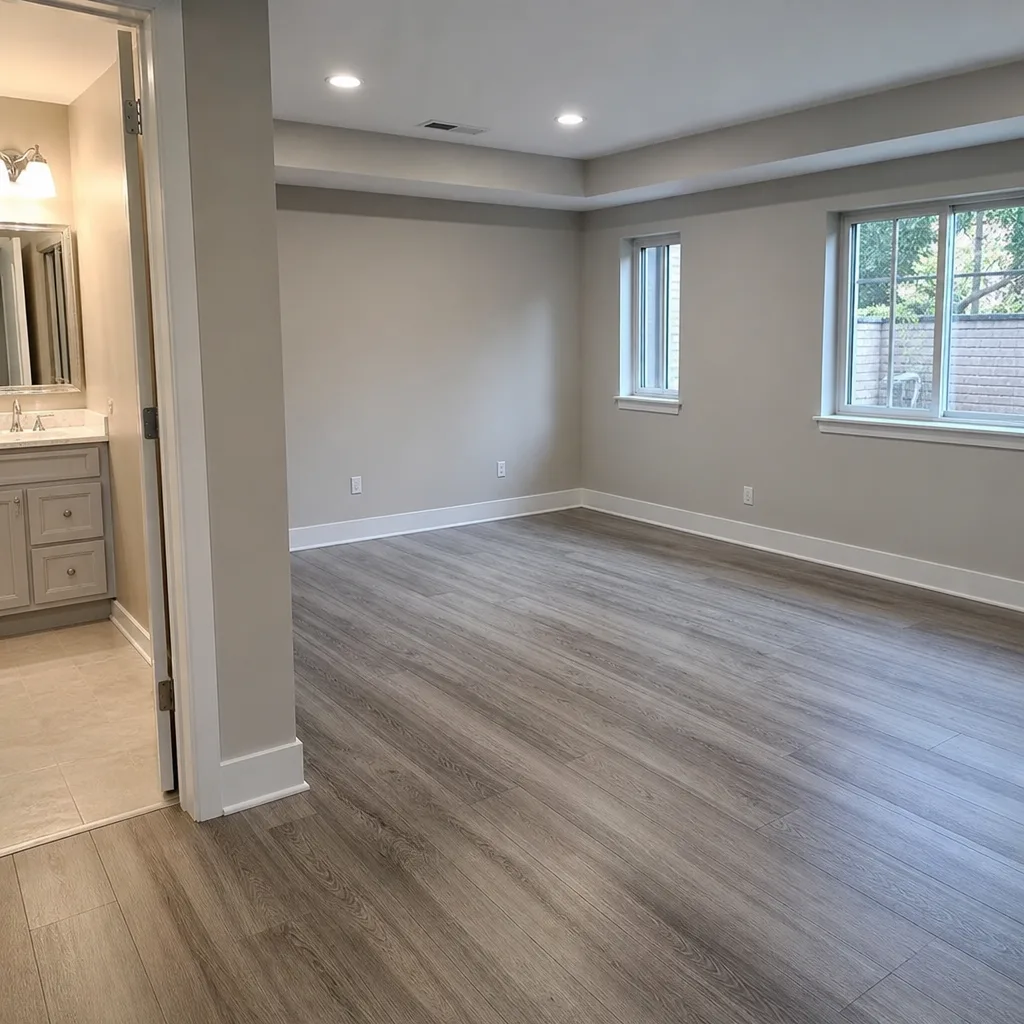
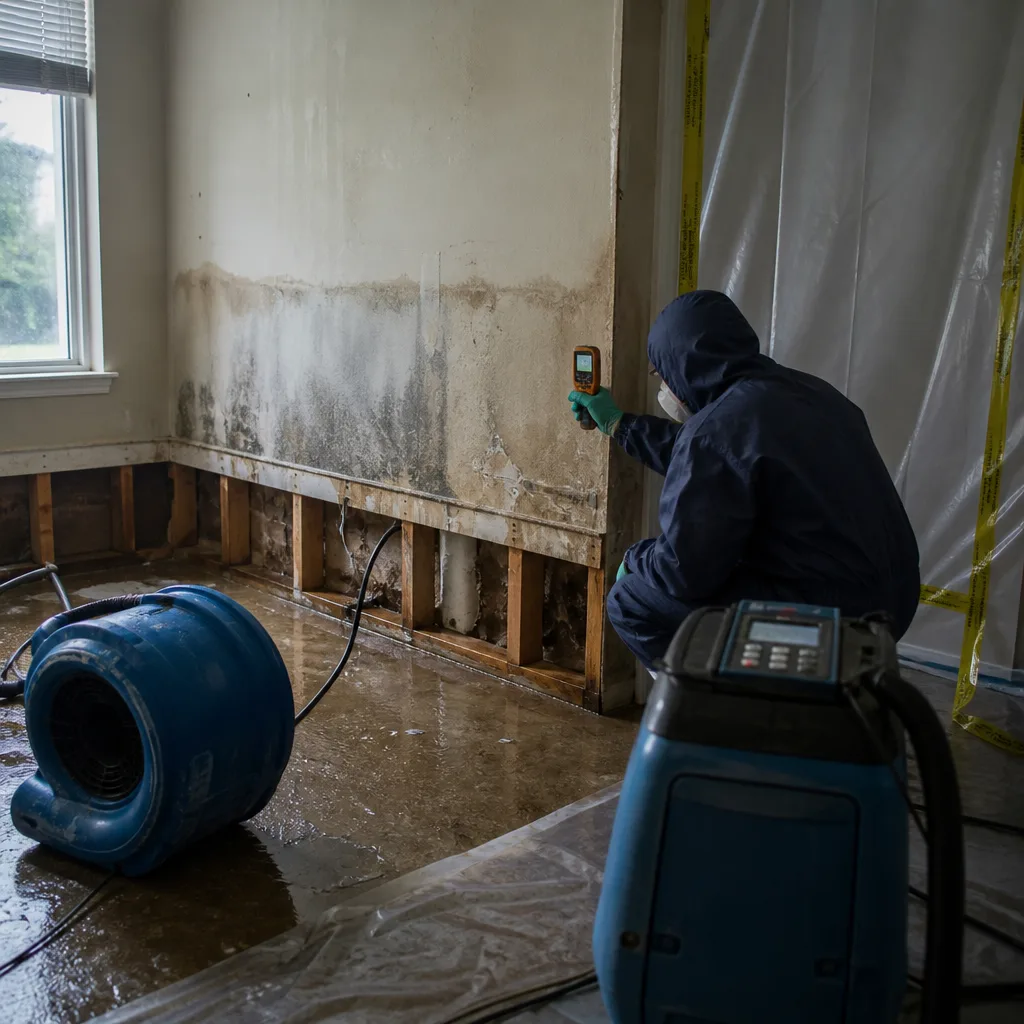
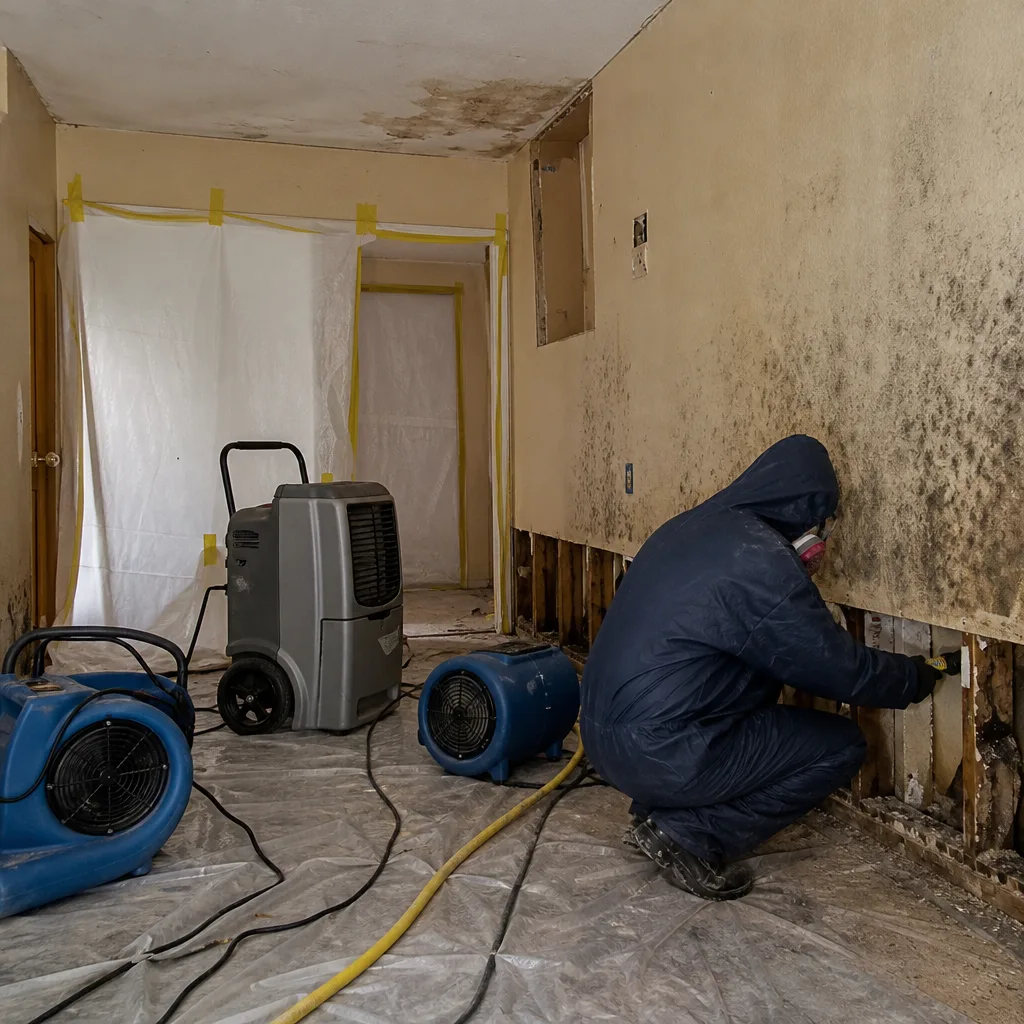 Before
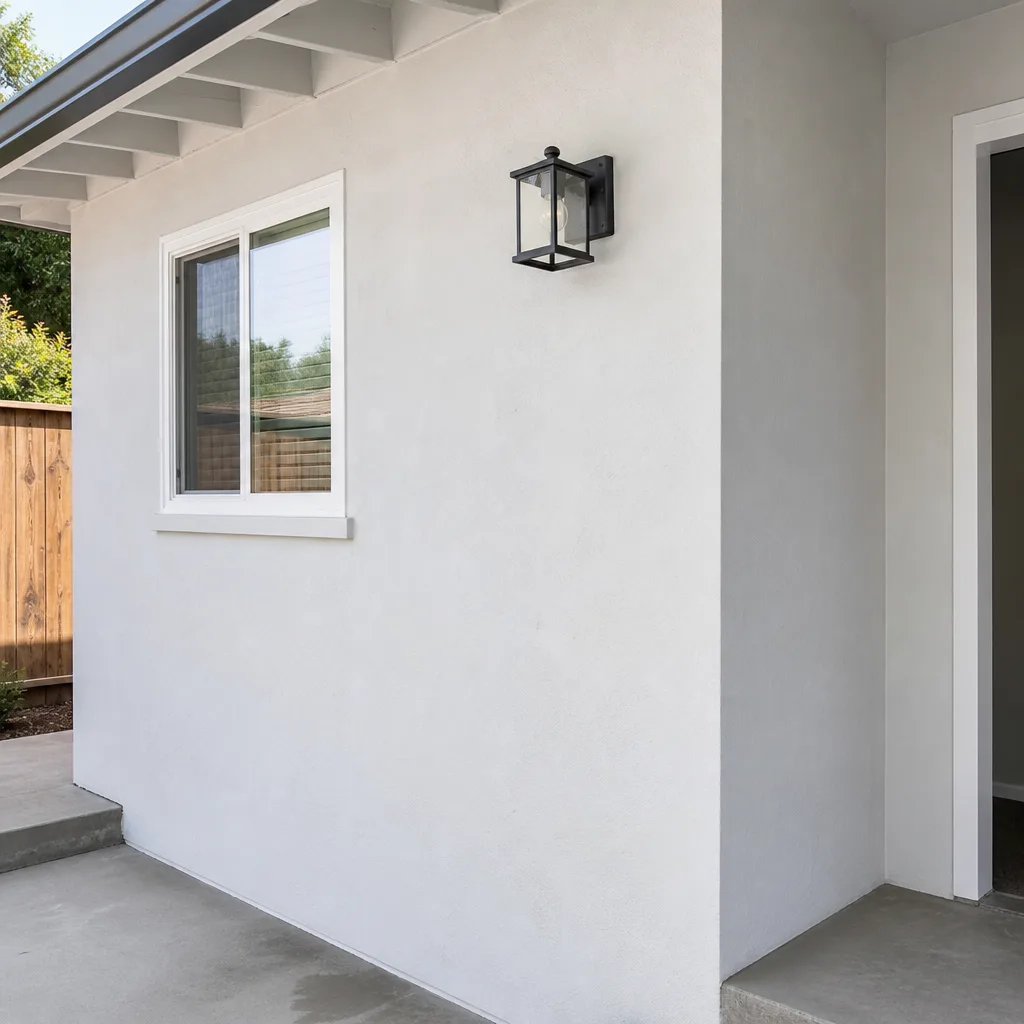
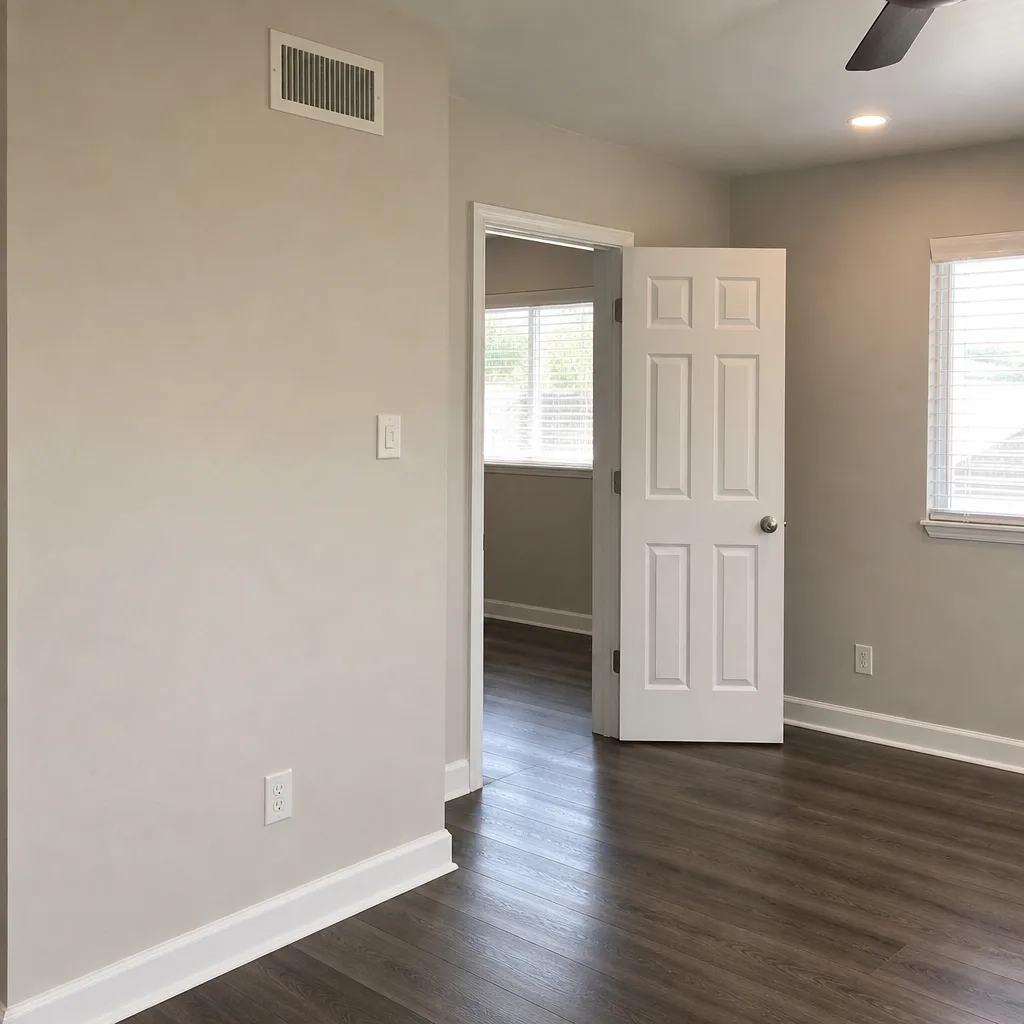 After
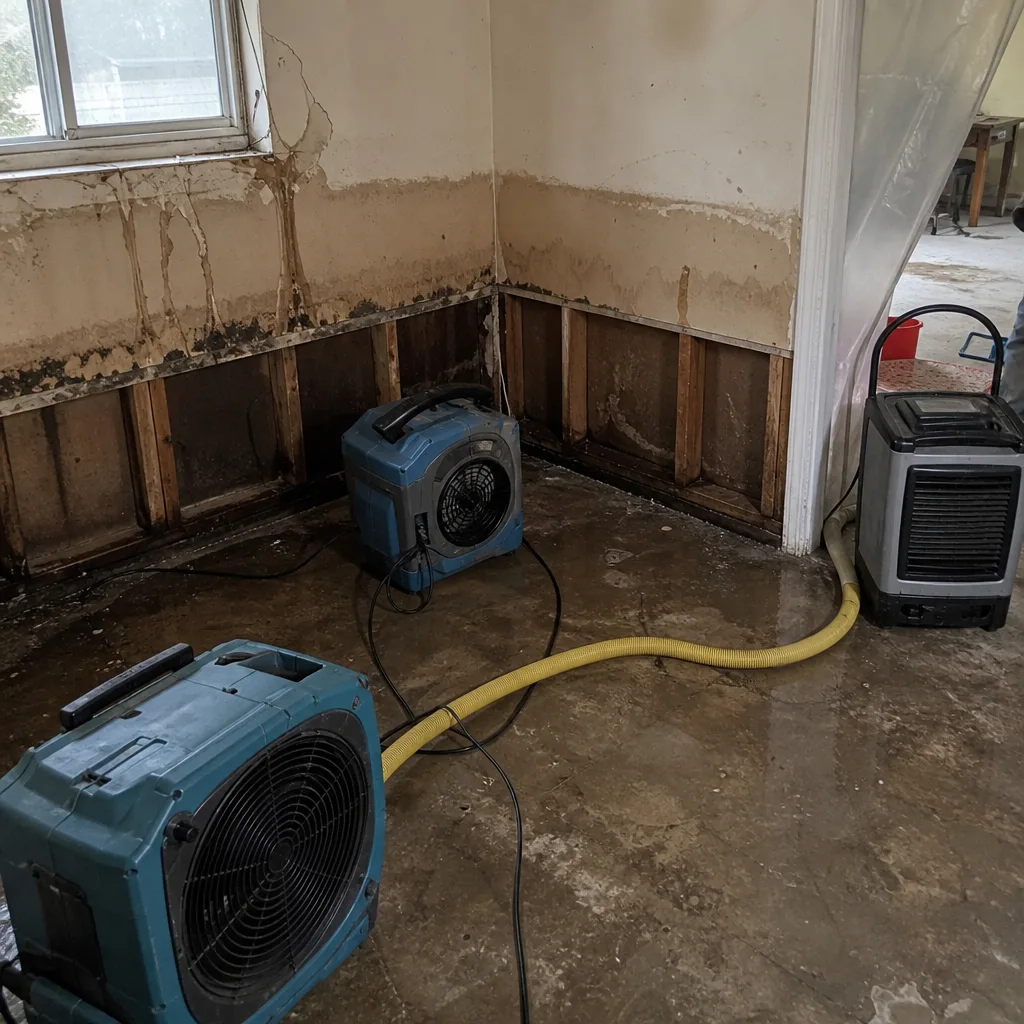 Before
 After
 Before
 After
Common Water Damage Restoration Problems We See in San Antonio Heights Homes
- Stucco cracking from dry heat opens hidden water paths. Years of hot, dry summers cause hairline cracks in original stucco exteriors. Winter rain enters those cracks, saturates the wood framing behind, and homeowners don’t see it until paint blisters or mold shows. We routinely find moisture inside walls with no visible interior damage.
- Original galvanized pipes fail without warning. Most San Antonio Heights homes still have the plumbing they were built with. That galvanized steel corrodes from the inside, bursts under pressure, and floods rooms fast. We’ve seen lower-level bedrooms become swimming pools in under an hour.
- Hillside foundations trap water against retaining walls. On steep lots, runoff collects against the uphill foundation wall. Efflorescence, mold, and structural weakening follow. Standard drying equipment isn’t enough on these sites. We place drying systems specifically to address the hillside grade and wall orientation.
- Post-fire water damage goes unnoticed after brush fires. When Santa Ana winds push fire through the foothills, firefighting operations dump large volumes of water on homes. That water collects in lower levels and behind retaining walls. Homeowners focus on smoke and char, missing the secondary water damage until mold grows.
Pricing for Water Damage Restoration in San Antonio Heights, CA
Restoration pricing in San Antonio Heights runs higher than flatland areas because access is harder and the homes are older. Emergency water extraction starts around $400 to $900 for a single room. Structural drying with a full equipment package runs $1,000 to $2,500 depending on affected square footage. Burst pipe restoration typically costs $1,800 to $4,500. Flood damage restoration runs $2,800 to $7,500. Full basement water removal falls between $2,000 and $5,000. We provide a written scope of work before any reconstruction begins, and we document everything for your insurance claim. Call (888) 508-8745 for a free, detailed estimate from our team.
We Also Serve Cities Near San Antonio Heights
Beyond Water Damage Restoration in San Antonio Heights, we cover the surrounding foothill communities with the same equipment and standards. Our crews regularly work in Upland, Claremont, Rancho Cucamonga, and Montclair. If you own property in any of these areas, the same Dri-Eaz and Injectidry systems arrive at your door, and the same IICRC-aligned drying process applies.
Serving San Antonio Heights, CA — Our Local Coverage Area
We’re based in the San Antonio Heights area and know this community well. Use the map below to see our service coverage — if you’re nearby, we can almost certainly help.
FAQs About Water Damage Restoration in San Antonio Heights
Hillside terrain changes where water goes and how it’s removed. On a slope, water runs downhill inside the structure, pooling against the lower foundation wall and saturating floors unevenly. Drying must account for that grade, which is why we use moisture mapping and strategic air movement rather than placing fans at random. The slope also affects access: narrow, winding private roads off Euclid Avenue and 24th Street require smaller trucks and more manpower to get equipment to the door. Call (888) 508-8745 and we’ll plan the approach before we arrive.
The biggest risk is hidden moisture behind original stucco. Winter storms push water through hairline cracks in stucco exteriors that have expanded under years of dry heat. The water enters the wall cavity, saturates wood framing, and begins mold growth within 24 to 48 hours, all invisible from the outside. Older mid-century homes with original plaster and lath absorb water readily and dry slowly. We use thermal imaging and moisture meters to find what the eye can’t see, then dry it with Injectidry panels inside cavity walls. For a storm damage assessment, call (888) 508-8745.
Yes, this is a routine part of our work in San Antonio Heights. When a brush fire moves through the foothills near the alluvial fan, firefighting operations can dump thousands of gallons on a home. That water collects in lower-level rooms, soaks into retaining walls, and saturates the same stucco and wood framing that the fire threatened. We extract the water, dry the structure, and document the full scope for insurance. Reconstruction cannot begin until San Bernardino County Fire Department clearance requirements are met, and we build that timeline into the plan. Call (888) 508-8745 if you’re dealing with post-fire water damage.
In most cases, yes. The Injectidry system forces dry air directly into wall cavities through small access points, pulling moisture out from behind stucco without tearing it off. This matters in San Antonio Heights, where original stucco on 1950s through 1980s homes is part of the architectural character and expensive to replace. When the stucco is intact and the framing is sound, non-invasive drying works. If the stucco is cracked, crumbling, or already water-damaged, we’ll discuss selective removal with you before any work begins. For a drying evaluation, call (888) 508-8745.
We run Dri-Eaz LGR dehumidifiers, Phoenix axial air movers, XPOWER extraction units, B-Air filtration systems, and the Injectidry structural drying system. These are the same commercial-grade brands top restoration firms use nationwide. On San Antonio Heights hillside lots and narrow private roads, that equipment matters because it’s built to run continuously and pull deep moisture from wood, plaster, and concrete. We don’t use hardware-store rentals. For a job quote with the full equipment package specified, call (888) 508-8745.
Written by Noel Carrasco, Owner at Clean Slate Water Damage, serving San Antonio Heights with professional-grade restoration equipment and IICRC-aligned process.