
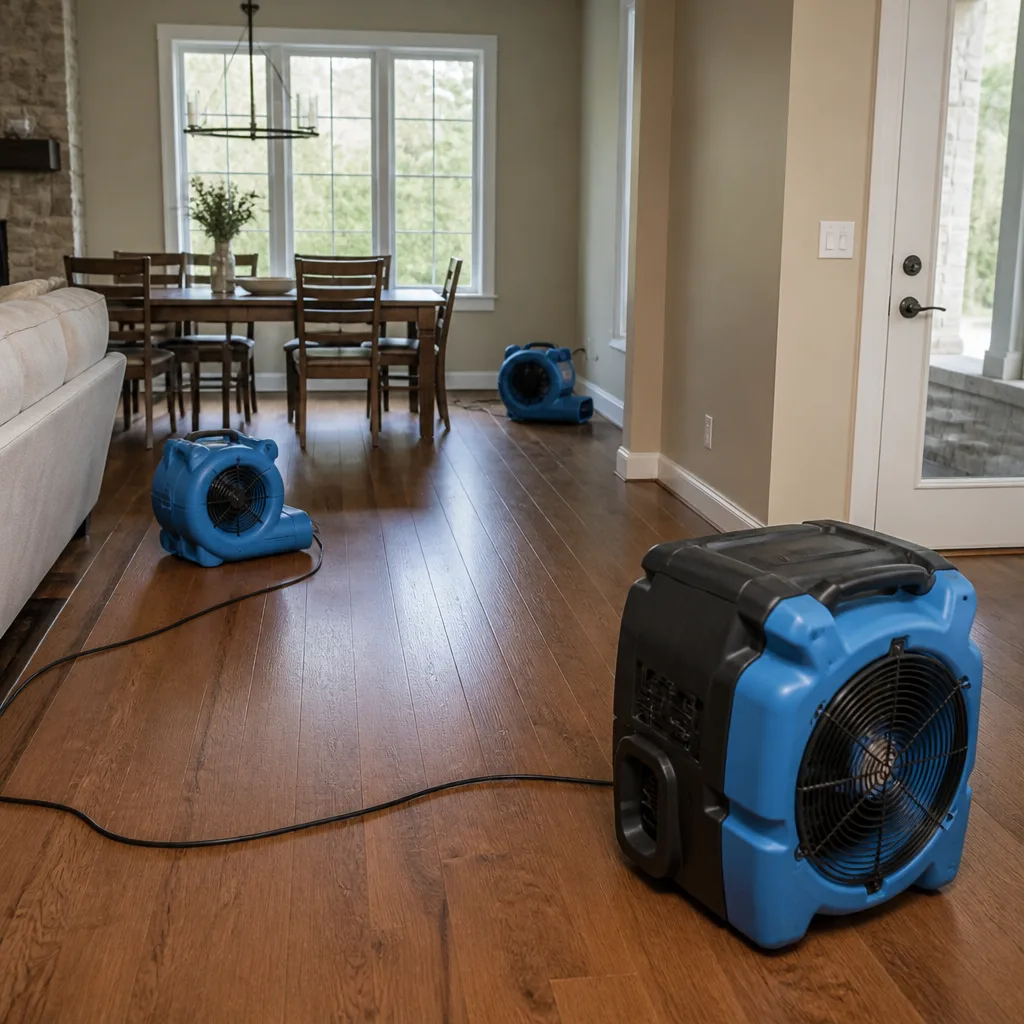
 Water damage drying
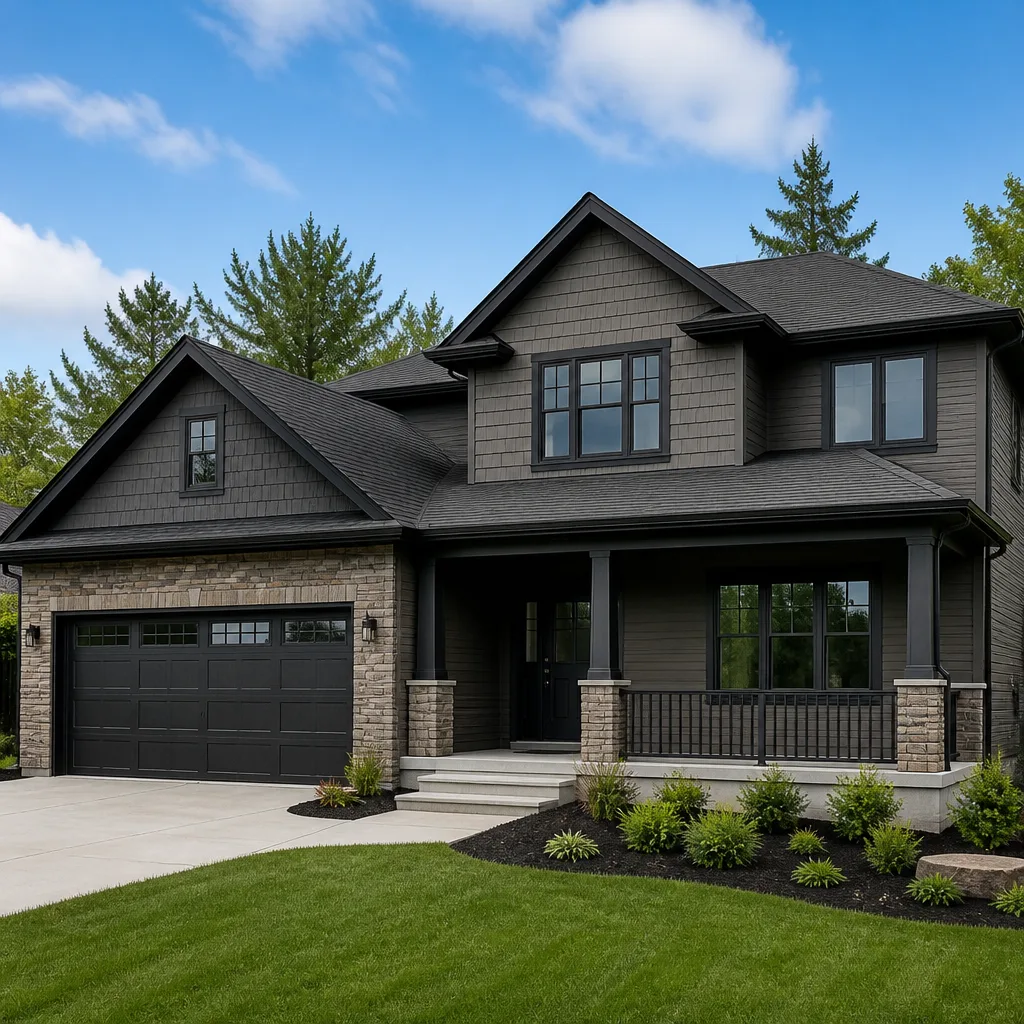 Fire & smoke cleanup
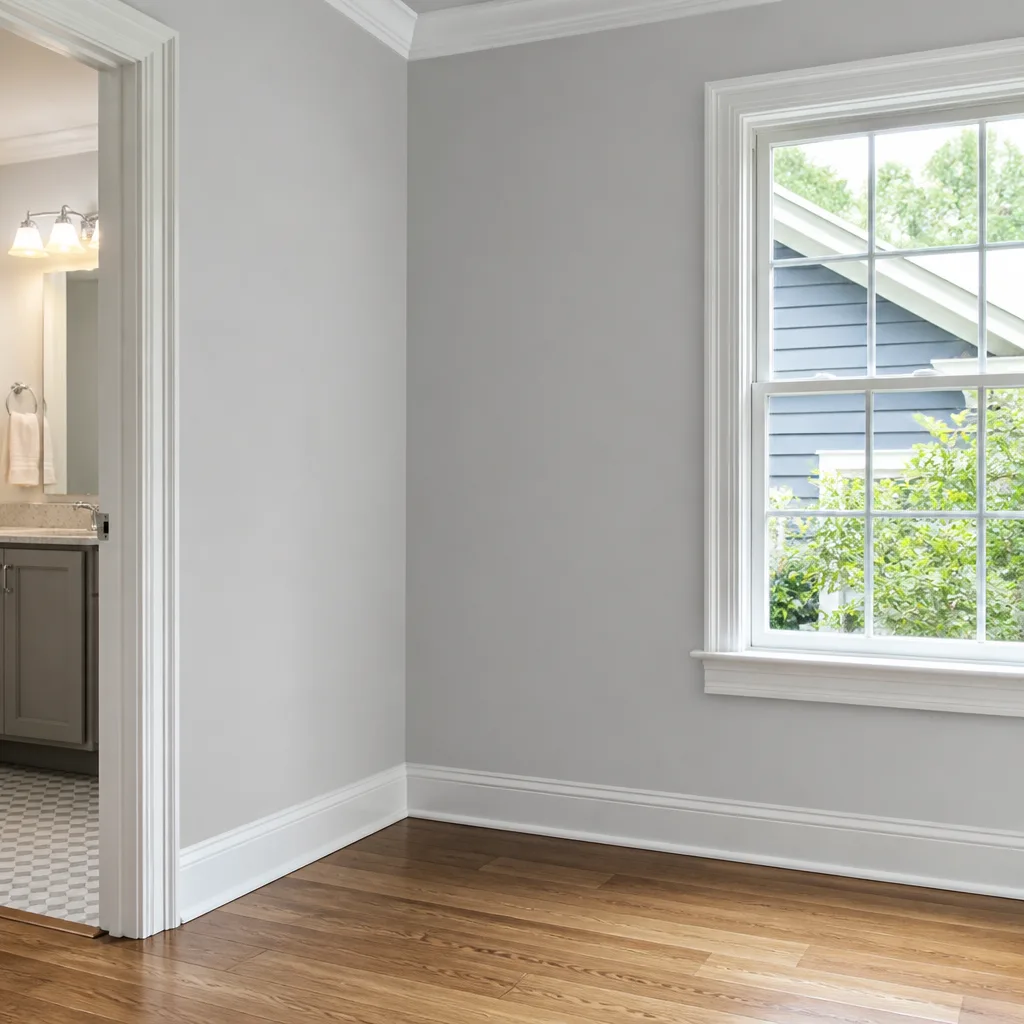 Mold remediation
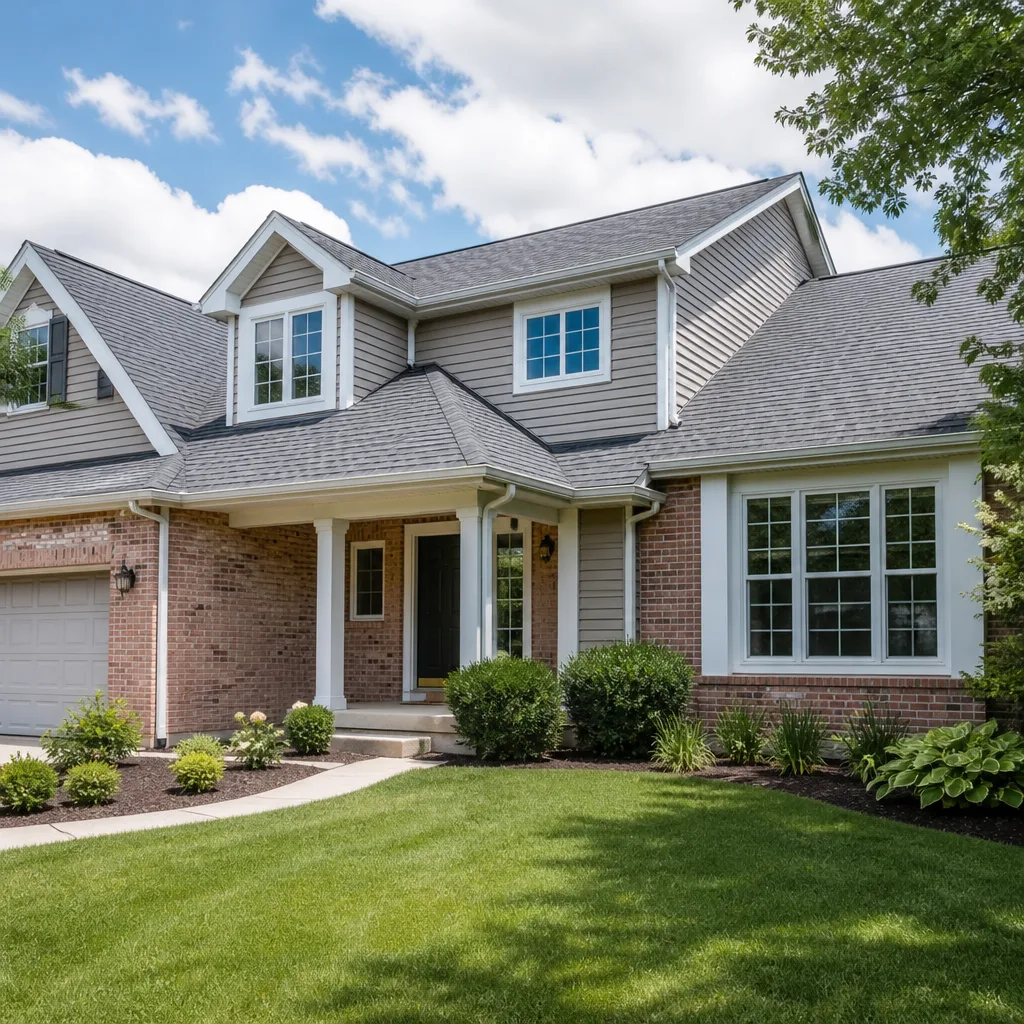 Storm response
 Sewage cleanup
 Reconstruction
Free visual inspection and a written scope of work before any mitigation begins - photos, moisture readings, and drying logs go in your claim file
The scope we write is the scope we bill. Anything new gets shown to you, in writing, before we touch it.
Get your free estimateRestoration work we handle
See the difference
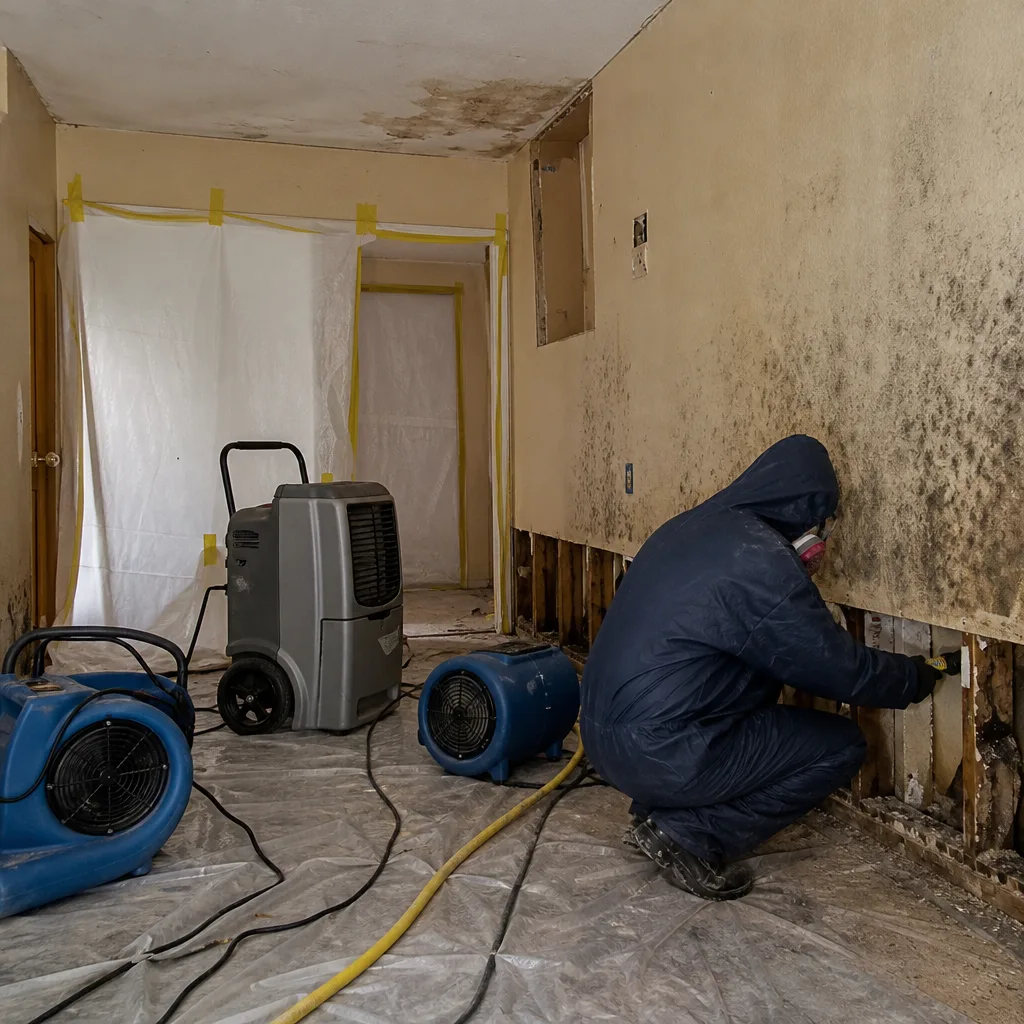 Before
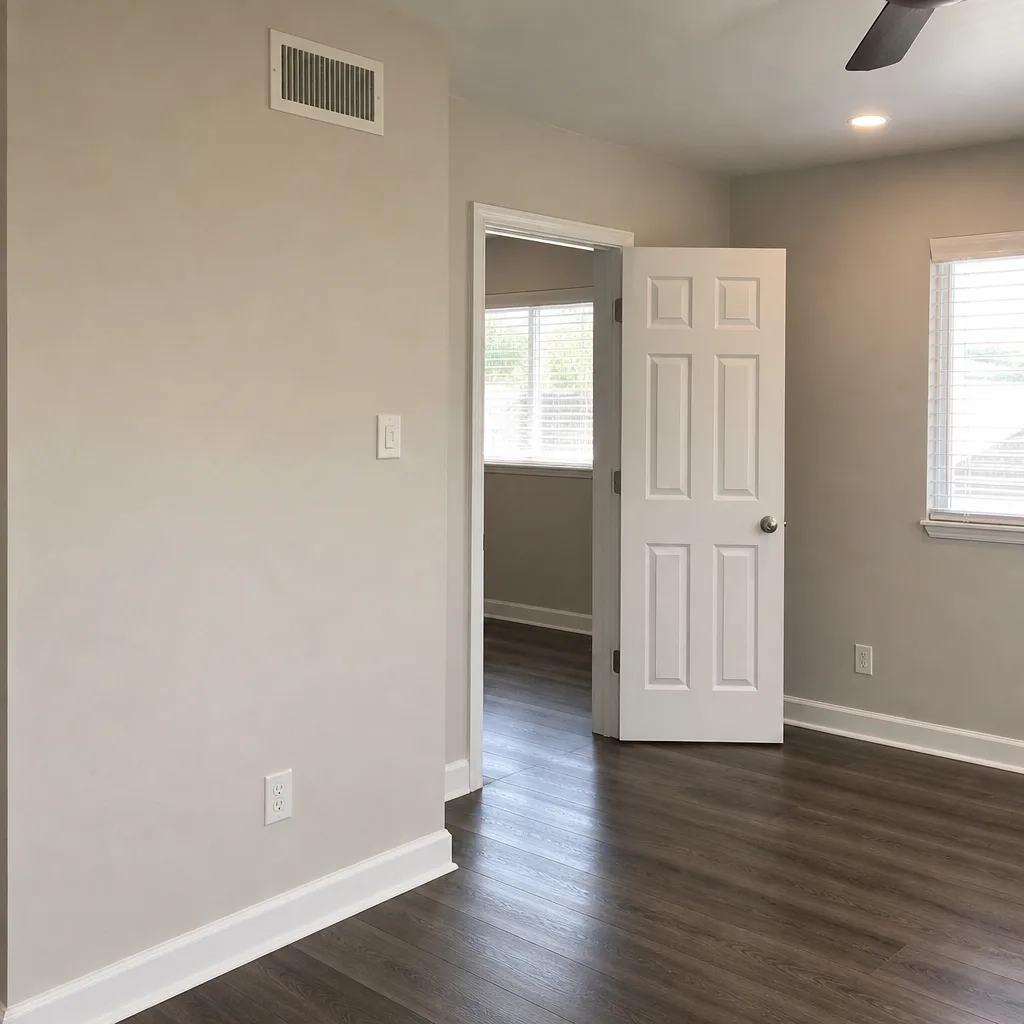 After
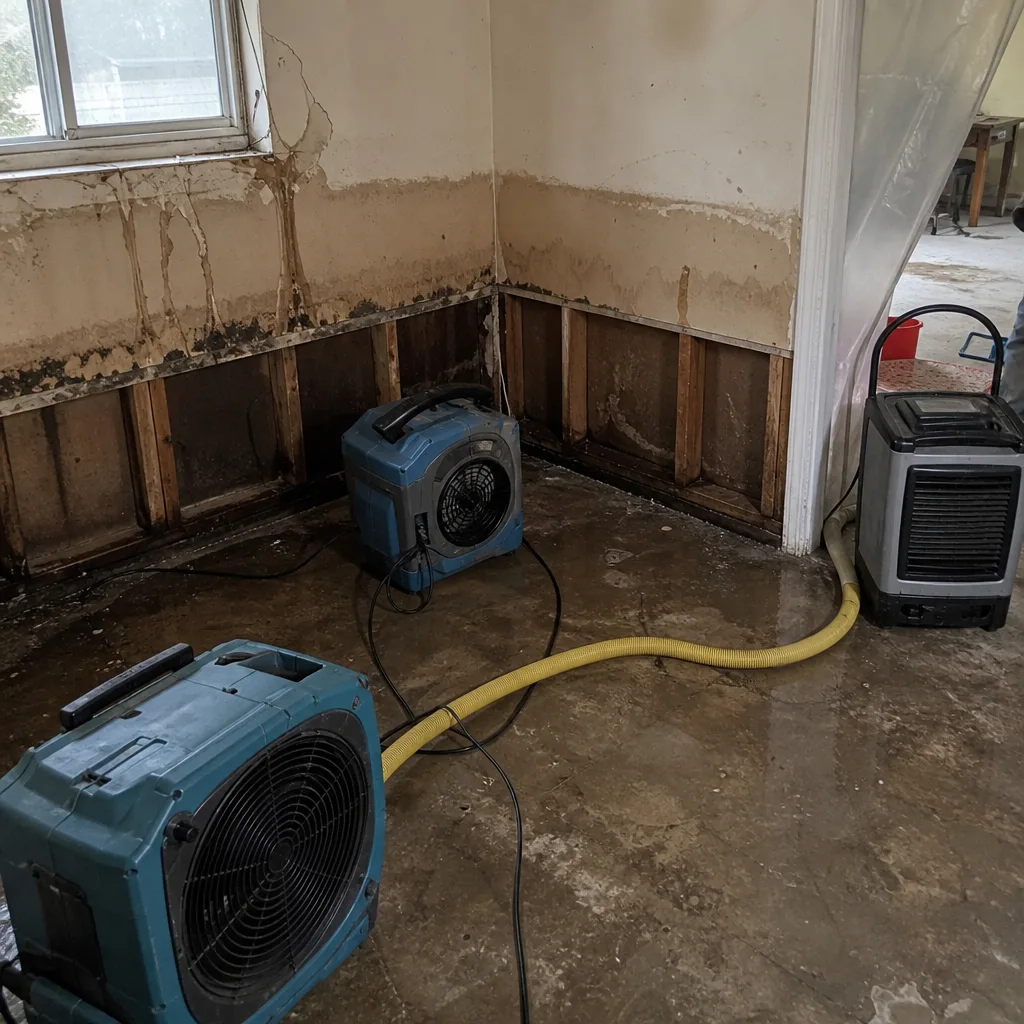 Before
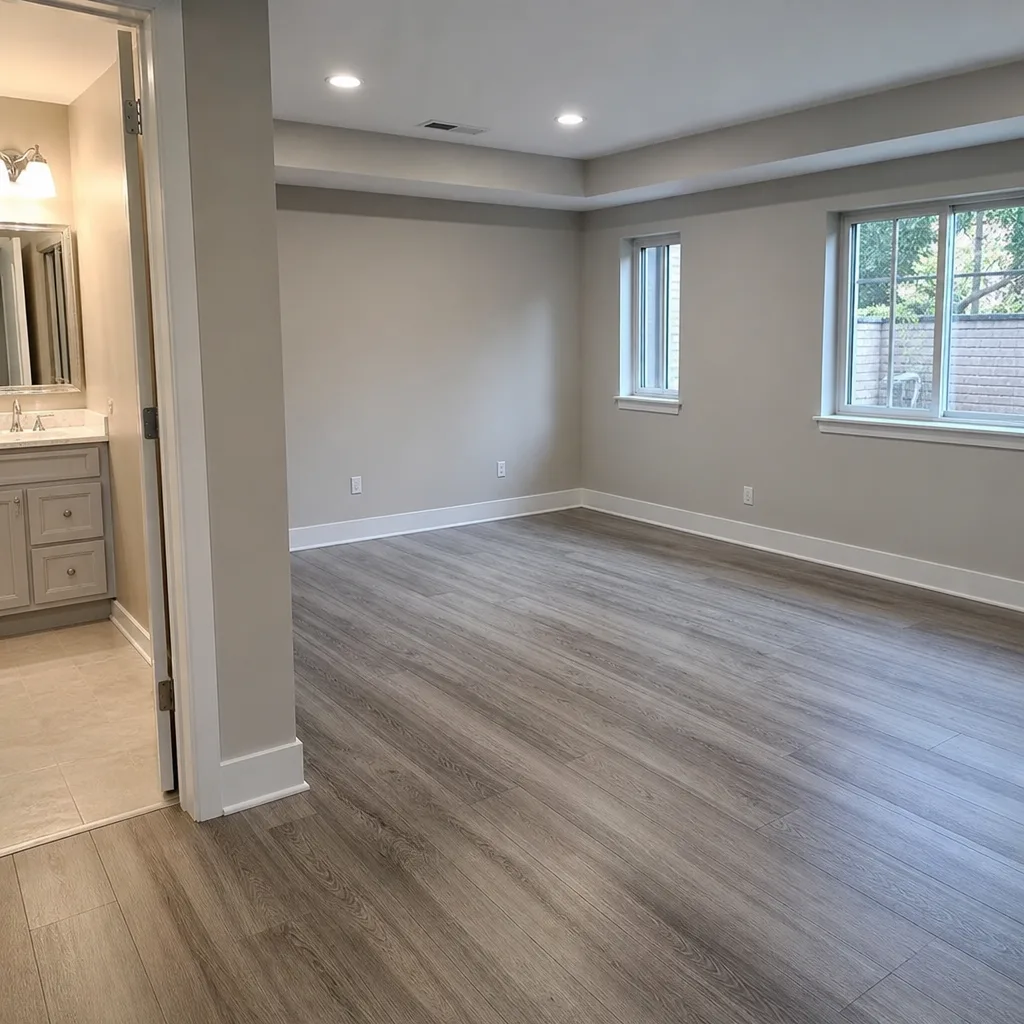 After
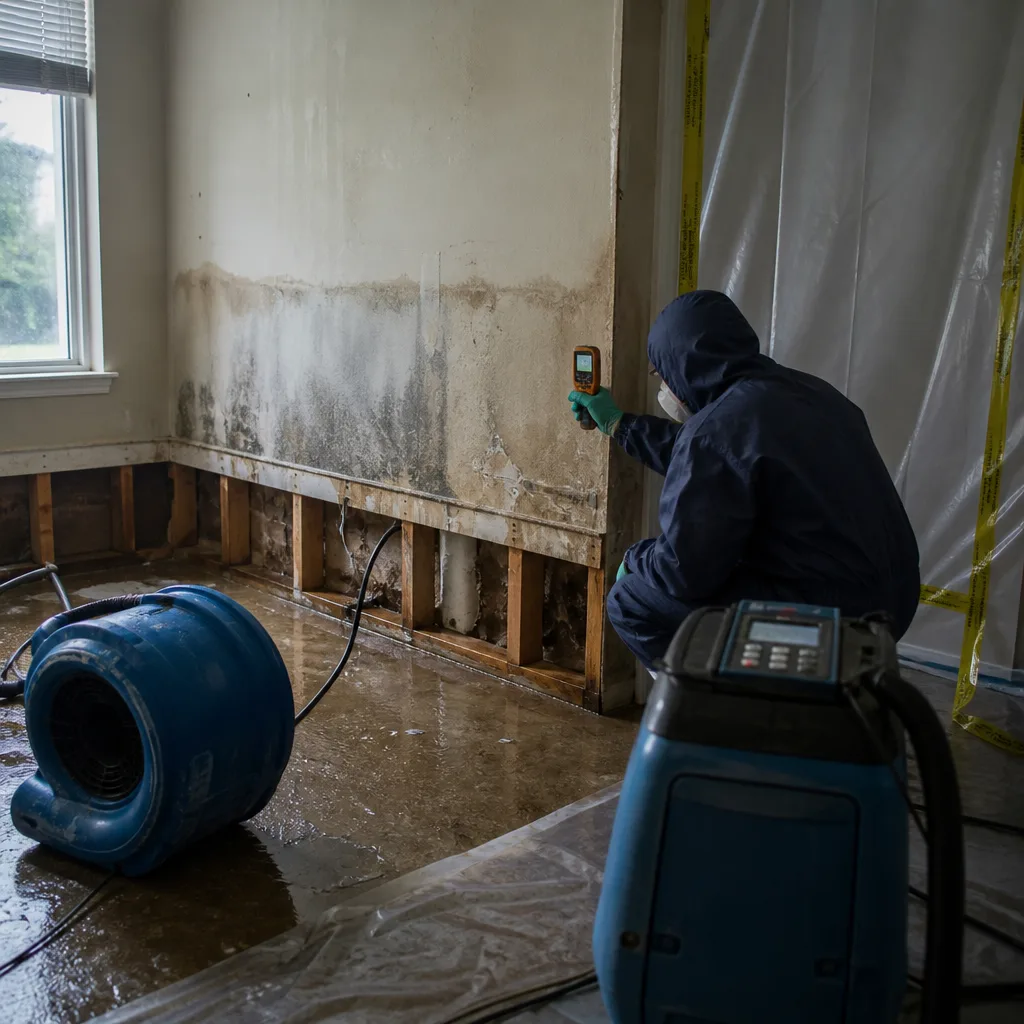 Before
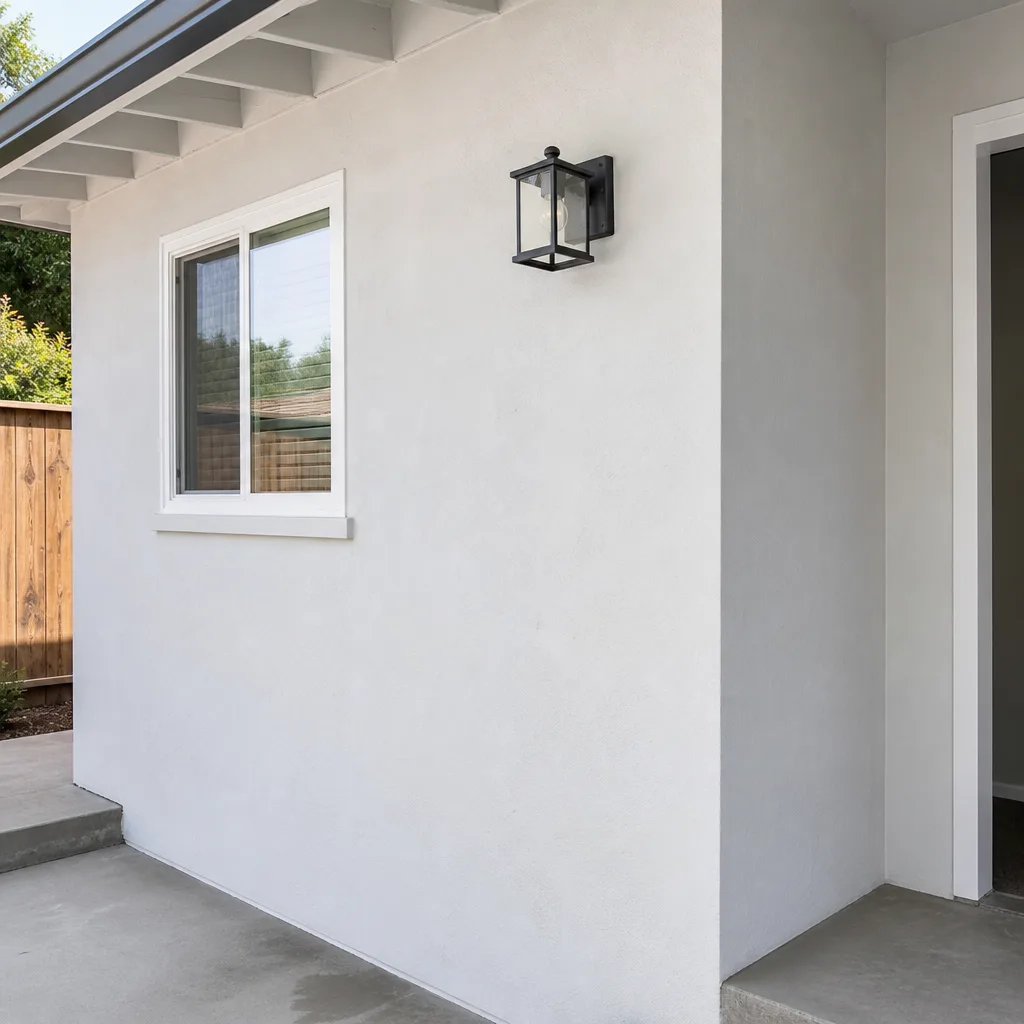 After
How Much Does Mold Remediation Cost in Pomona?
Mold remediation in Pomona typically costs $1,200 to $6,500 for most homes, with the average single-room job landing around $2,400. Small, contained spots (under 10 square feet) often run $450 to $900, while whole-home or attic-and-crawlspace projects can reach $10,000 or more. The price hinges on how far moisture has spread, what material it has colonized, and whether the source of the water was ever actually fixed.
Those numbers are for remediation only. They don’t include the plumbing or roof repair that let the mold in, and they don’t include rebuild. Any contractor who quotes a single flat number before opening a wall is guessing. We estimate after we’ve seen the moisture readings, and estimates are free.
Mold Remediation Cost Breakdown (2026)
Here’s how the line items usually shake out for Pomona properties in 2026. Ranges reflect what we see across single-family homes, older bungalows near downtown, and rental units managed by property managers in the area.
| Line Item | Typical Price Range | What It Covers |
|---|---|---|
| Initial inspection & moisture assessment | $0 – $350 | Visual inspection, moisture meter readings, thermal imaging, written scope |
| Air sampling / lab testing (per sample) | $75 – $150 | Spore count comparison, usually 2 – 4 samples for a residential job |
| Containment setup | $250 – $900 | 6-mil poly barriers, negative air pressure, zipper doors |
| HEPA vacuuming & surface cleaning | $300 – $1,200 | HEPA filtration of porous and non-porous surfaces in the affected zone |
| Antimicrobial / fungal treatment | $200 – $800 | Application to framing and structural cavities after removal |
| Drywall removal & disposal (per 100 sq ft) | $300 – $700 | Cutting out contaminated drywall, bagging, hauling |
| Structural drying (per day, per room) | $150 – $400 | LGR dehumidifiers and air movers, typically 3 – 5 days |
| Crawlspace or attic remediation | $2,000 – $9,000 | Constrained-space work, vapor barrier replacement, joist treatment |
| HVAC duct cleaning (if contaminated) | $400 – $1,500 | Duct interior cleaning and sanitizing after mold is confirmed |
| Post-remediation verification (clearance) | $150 – $500 | Independent lab clearance testing after the work is done |
| Rebuild (drywall, paint, trim) | $600 – $5,000+ | Restoring removed material after clearance |
What pushes a Pomona job from the low end toward the high end? Three things, mostly. Hidden moisture is the big one. When we open a wall and find wet insulation behind a bathroom tile surround, the scope doubles. Material type matters too: mold on glazed tile wipes clean, but mold on paper-faced drywall means removal, and mold on wood framing means sanding and treating. And the source is the wildcard. If a slab leak under a Pomona bungalow has been seeping for months, we’re looking at a different category of job than a bathroom fan that stopped venting.
One advantage we lean on: the Injectidry system forces dry air directly into wall cavities and subfloors. That lets us dry structural assemblies that would otherwise come out. On a lot of jobs it means less demolition, a smaller rebuild line, and a lower total. It’s not free magic, but it often saves more than it costs.
What Affects Mold Remediation Pricing in Pomona
Pomona has its own fingerprints on this problem. These are the factors we weigh most heavily when we’re scoping a job here.
- Square footage of affected area. Remediation is priced largely by the size of the contaminated zone. A 20-square-foot patch behind a washing machine is a half-day job. A 400-square-foot finished basement is a week of work with multiple containment chambers.
- Where the mold is. Attic and crawlspace work costs more per square foot than a hallway wall. Confined space, limited access, and the need for specialized equipment like Injectidry ducting all add labor. In Pomona we see a lot of crawlspace growth under older single-story homes where foundation vents have been blocked or the vapor barrier has failed.
- What material it’s growing on. Non-porous surfaces (tile, metal, glass, sealed concrete) can be cleaned and treated. Porous materials (drywall, insulation, carpet, wood framing that’s been wet long enough to soften) usually have to come out. Mixed-material jobs sit in the middle.
- Whether the water source is fixed. This is the one that gets people. If the roof leak, the failed supply line, or the poor drainage behind the house is still active, remediation is temporary. In our experience, a significant share of “recurring” mold problems in Pomona trace back to water that was never controlled at the source. We don’t start remediation until that’s addressed or scheduled.
- How long it’s been growing. Mold that’s been colonizing for six months is a bigger job than mold three weeks old. Spores spread through air handling. A small area that seems contained can have distributed through a forced-air HVAC system, and that changes the scope meaningfully.
- Access and property condition. Slab foundations, older construction, and tight crawlspaces make work slower. In Pomona’s older housing stock we regularly encounter plaster-and-lath walls (which are dense and can hold moisture for a long time) and partial renovations that have hidden past water damage. Both are labor multipliers.
- Testing and clearance requirements. If you’re selling, renting, or filing an insurance claim, you’ll want independent post-remediation verification. That’s two sets of lab samples, sometimes more, and it should be built into the estimate from day one.
One thing worth saying plainly: remediation and restoration are not the same line item. Clean Slate handles the full damage cycle, water to mold to fire, and we bring commercial-grade equipment to the drying phase: Dri-Eaz LGR dehumidifiers, Phoenix air movers, XPOWER HEPA scrubbers, B-Air blowers, and the Injectidry system for cavity drying. That equipment is what makes controlled drying possible inside walls and floors mid-job, which is where the money is often saved.
How to Save on Mold Remediation
There’s no shortcut around the actual remediation. But there are real ways to reduce what you pay.
- Fix the water source first. Every dollar you spend repairing the leak, grading, or ventilation before remediation begins is a dollar you don’t spend on repeat work. If we come out and find an active leak, we’ll tell you to get it fixed before we start. That’s not a sales tactic; it’s the only way remediation holds.
- Act on small areas early. A 10-square-foot patch in a bathroom corner costs a fraction of what the same growth costs six months later when it’s spread through a wall cavity. The cost curve here is steep.
- Ask for a narrow scope where it’s genuinely possible. If only one wall is affected and the rest of the room tested clean, we can often contain the work to that zone. We don’t expand scope for the sake of billing; we expand scope when the moisture readings say we have to.
- Get an itemized estimate before work begins. Any estimate should separate testing, containment, removal, treatment, drying, and clearance. Flat quotes hide the structure and make it hard to compare bids.
- Check your insurance coverage and document everything. Standard homeowner policies often cover mold that results from a covered water loss (like a burst pipe) but typically exclude mold from long-term maintenance neglect. Photograph the damage, keep receipts, and get the cause documented early.
- Use a company that can handle the water side too. If water damage preceded the mold, having the same team handle both phases eliminates the coordination gap that leads to repeat work. This matters more than most people realize. If you want to see how we approach water damage on the front end, our home services and restoration page is the place to start.
Free estimates are part of how we work. Call (888) 508-8745 and we’ll schedule an assessment. No pressure, no upsell pitch. We’ll tell you what we find and what it costs to fix it.
FAQs – Mold Remediation Cost
How much does mold remediation cost in Pomona right now?
Expect $1,200 to $6,500 for most residential jobs, with the average single-room job around $2,400. Small contained spots run $450 to $900. Whole-home, attic, or crawlspace projects commonly exceed $10,000. Call (888) 508-8745 for an exact quote; estimates are free.
Does insurance cover mold remediation in Pomona?
Often yes, if the mold is tied to a covered water loss like a burst pipe or appliance failure. Policies typically exclude mold that developed from neglected maintenance or long-term seepage. Coverage decisions usually come down to documented cause, which is why we recommend getting the water source documented on day one. Call us to discuss what your policy may cover before you commit to a scope.
Can mold come back after remediation?
Yes, if the water source isn’t corrected. No remediation holds against an active leak or chronically elevated humidity. Our process includes post-remediation verification so you have lab results confirming the building is clear at completion, but the long-term answer depends on keeping the space dry. That’s the part the homeowner controls, and it matters.
How long does a typical Pomona mold job take?
A single room typically takes 2 to 4 days for remediation, and 3 to 5 days of active drying after removal. Larger scopes, attic and crawlspace work, and jobs requiring HVAC cleaning can run 1 to 3 weeks. Post-remediation verification usually happens on the day after drying is complete.
What’s the difference between remediation and just cleaning mold myself?
Surface cleaning removes what you can see. Remediation addresses what you can’t: spores in cavities, moisture in structural assemblies, and the source conditions that allowed growth. For a spot on a tile grout line, a careful clean is reasonable. For anything larger than roughly 10 square feet, or anything behind a wall, our recommendation is to get an inspection first. Call (888) 508-8745; the assessment is free and you’ll get a written scope you can compare against other bids.
What to Have Ready Before We Arrive
Getting the most out of a mold consultation in Pomona is mostly about information. A short list of what helps us give you a useful number on the first visit:
- Any photos or video of the affected area, including before you moved anything
- Dates and details on when the moisture problem started, if you know
- Copies of any prior inspection reports or samples
- Your insurance policy number and carrier, if you intend to file a claim
- Access to the affected space (we’ll need to see it, not just hear about it)
If you have any documentation of a prior water loss, bring it. It shortens the conversation considerably.
Why We Recommend Getting a Written Scope
The single most reliable way to protect yourself on cost is to insist on a written scope with line items before anyone lifts a hammer. That scope should say what area is being contained, what materials are being removed, how long drying is expected to run, and what verification testing is included. If a contractor can’t produce that, the number they’re quoting is a placeholder. Every job has variables you can’t see from the driveway. A written scope lets you compare apples to apples, and it holds the contractor to the work they described.
If you’re weighing remediation against replacement costs in another market, our Mold Remediation in Irvine page shows how scope and price break down for a comparably sized job elsewhere, which can be a useful benchmark when you’re sanity-checking a bid here.
Pricing reflects the Pomona market as of 2026. Clean Slate Water Damage offers free estimates – call (888) 508-8745.
What Our Customers Say
"Post fire smoke damage. The smell that I was sure was permanent is completely gone."
— Kristen Rhodes"Dealt directly with the insurance adjuster and documented everything with photos and readings. Our claim went through without a single dispute."
— Rosa Delgado"They did good work in a bad situation. The equipment was loud and in the house for five days, which is unavoidable but worth being prepared for."
— Claudia Rodriguez