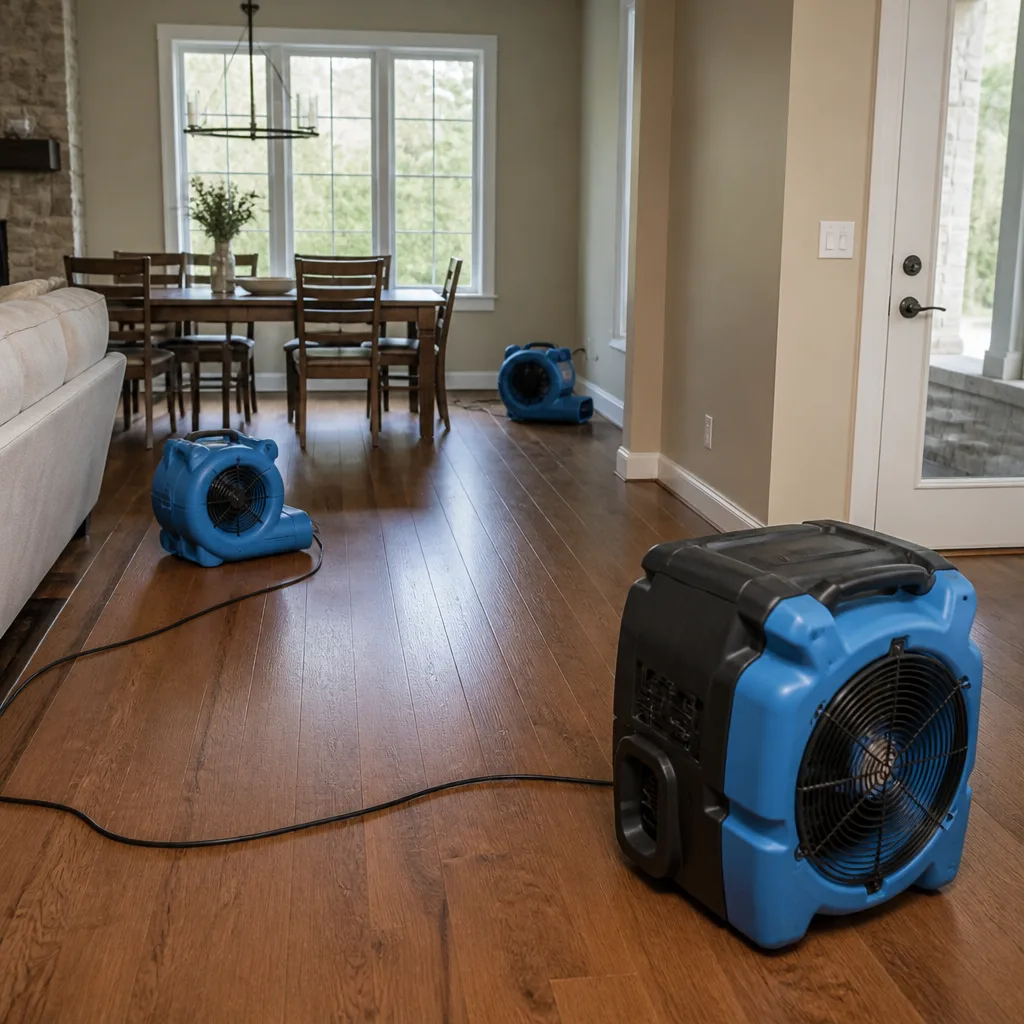
 Water damage drying
 Fire & smoke cleanup
 Mold remediation
 Storm response
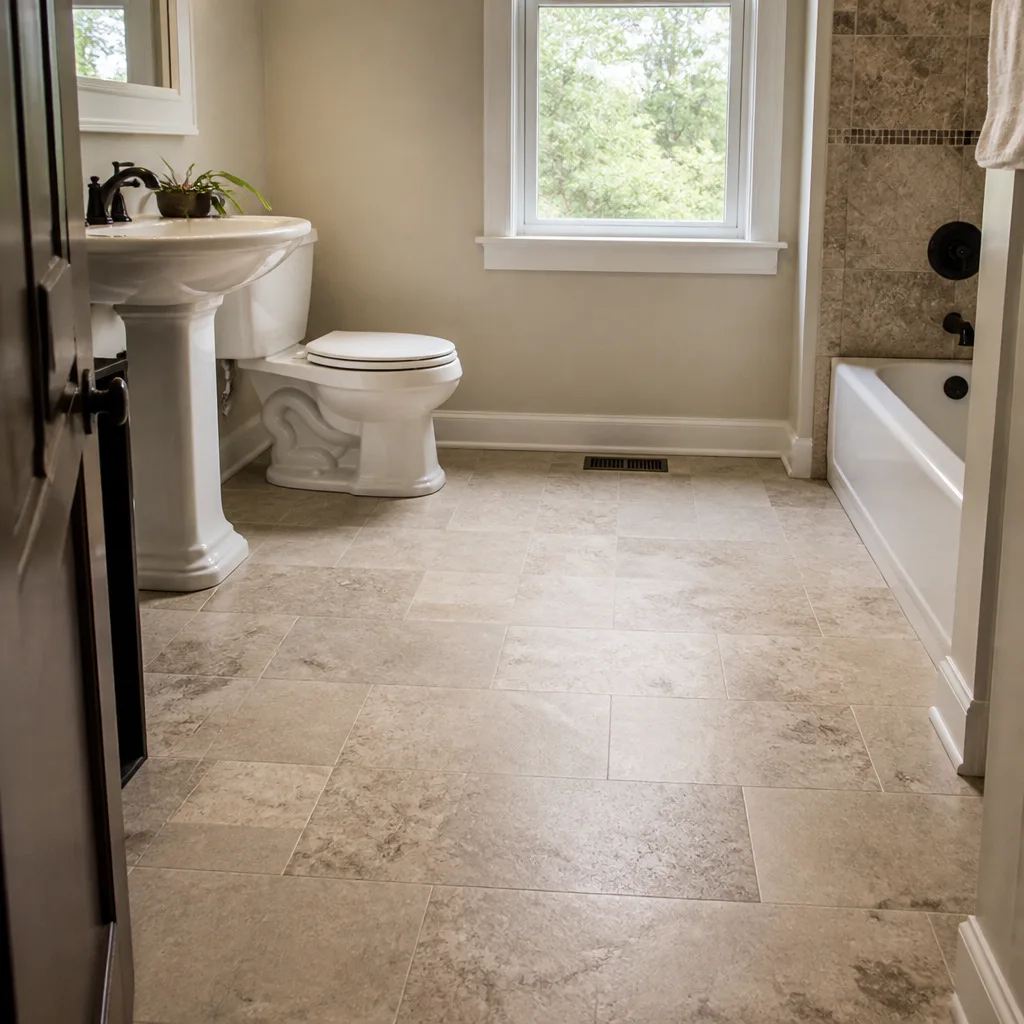 Sewage cleanup
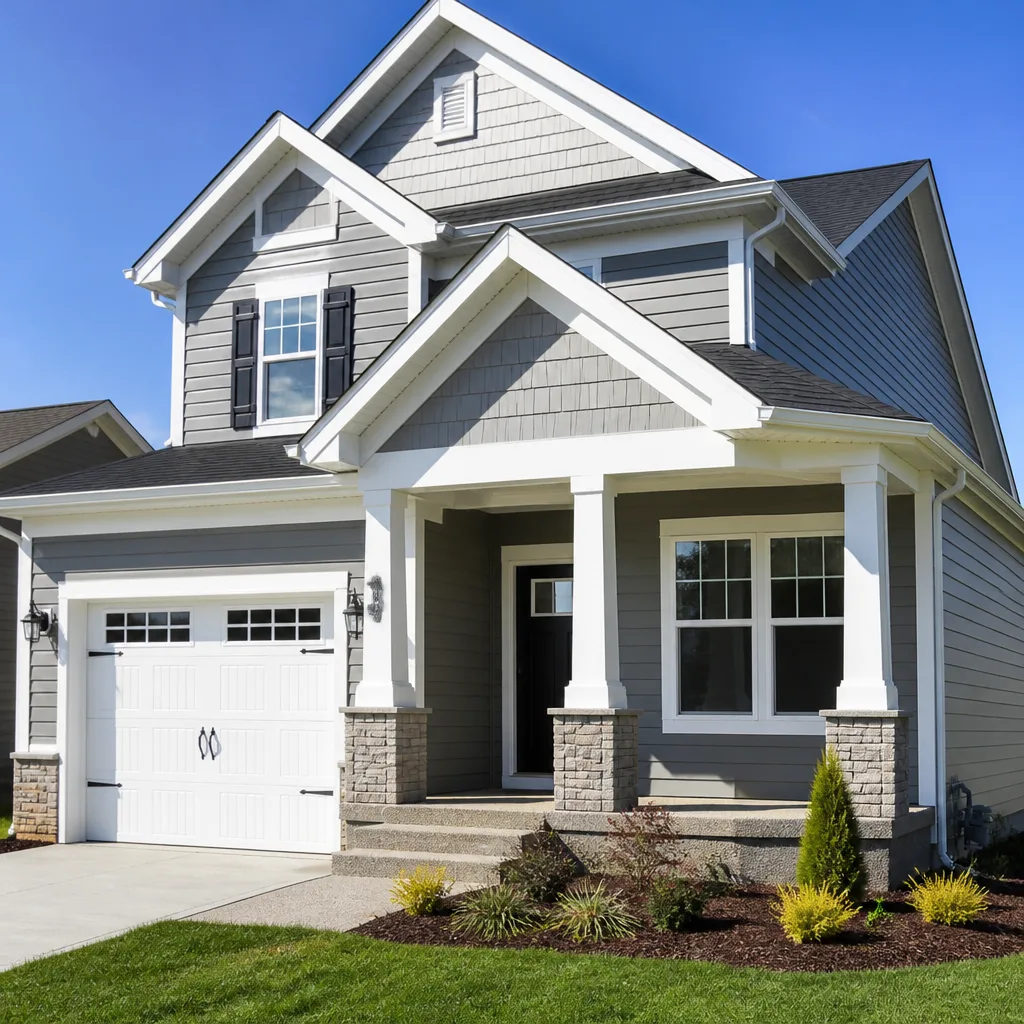 Reconstruction
Free visual inspection and a written scope of work before any mitigation begins - photos, moisture readings, and drying logs go in your claim file
The scope we write is the scope we bill. Anything new gets shown to you, in writing, before we touch it.
Get your free estimateRestoration work we handle
See the difference
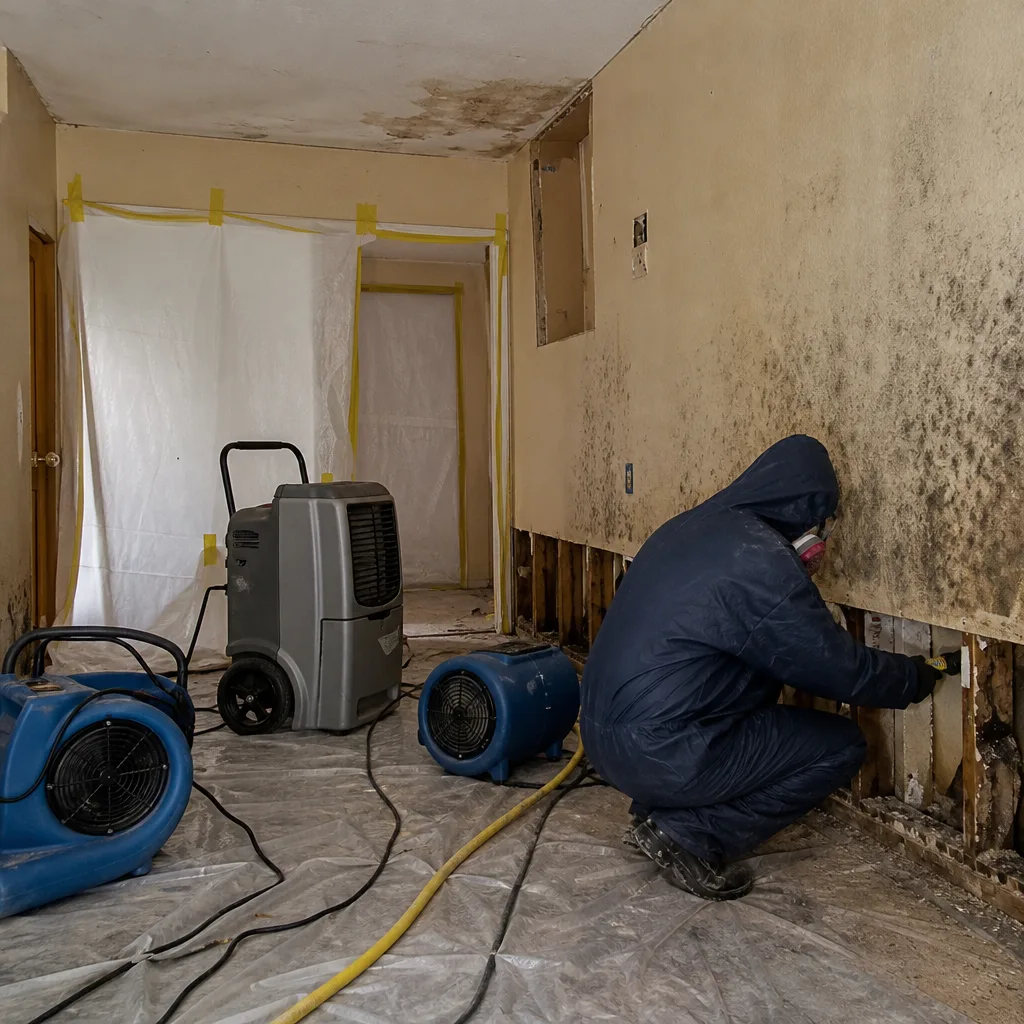 Before
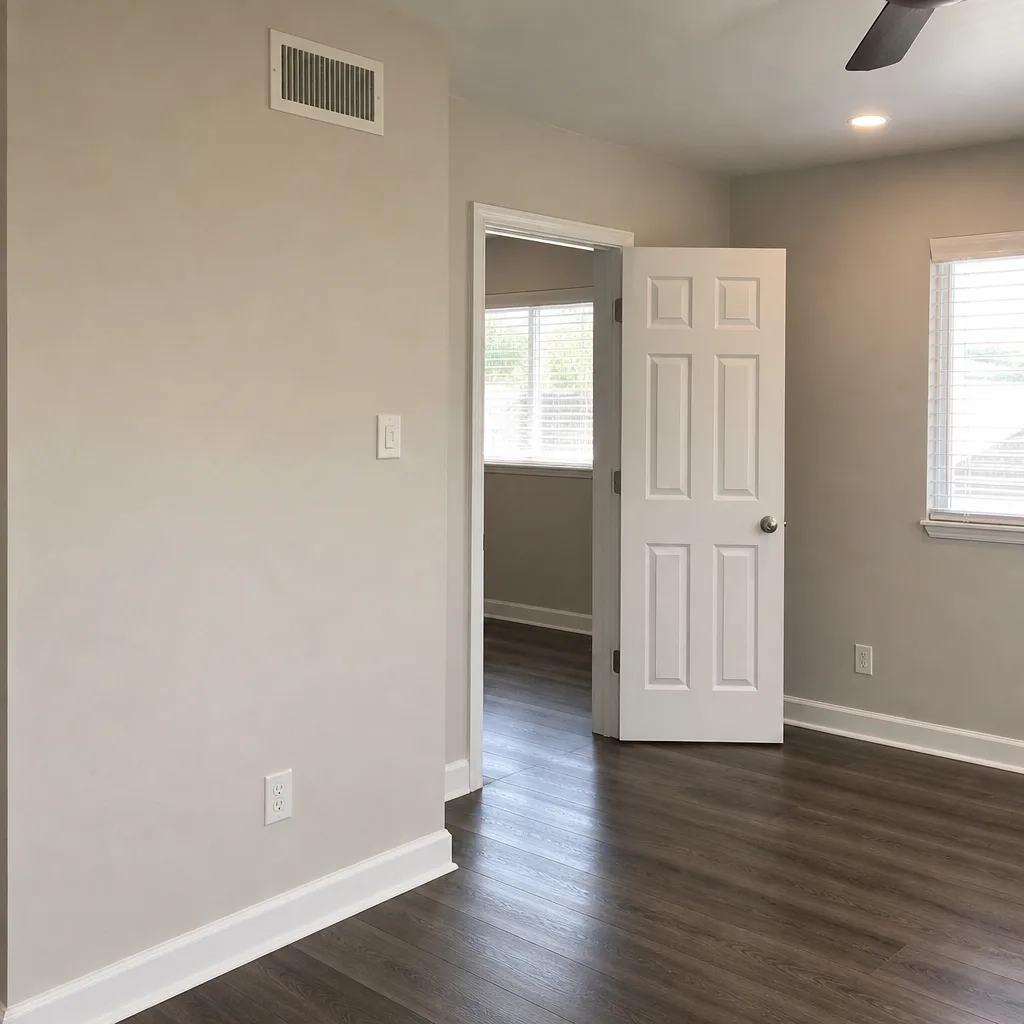 After
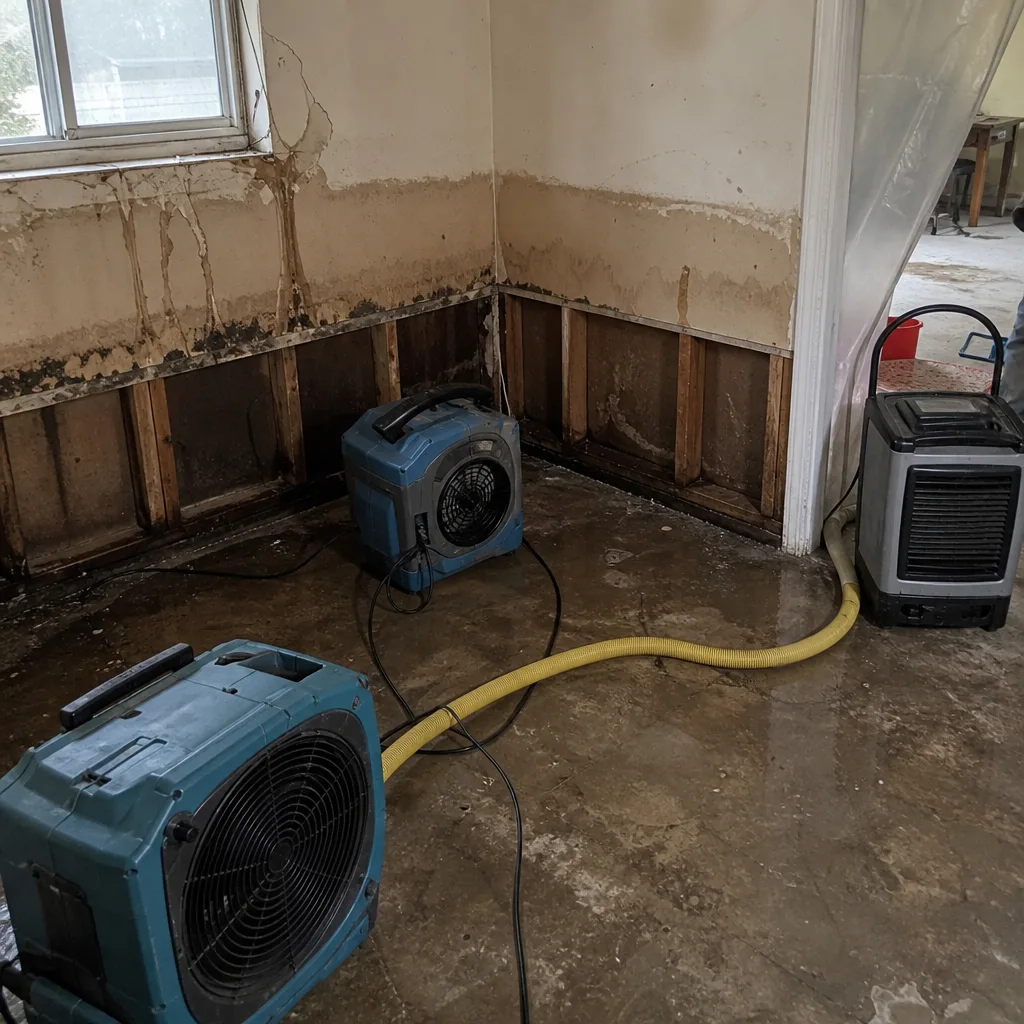 Before
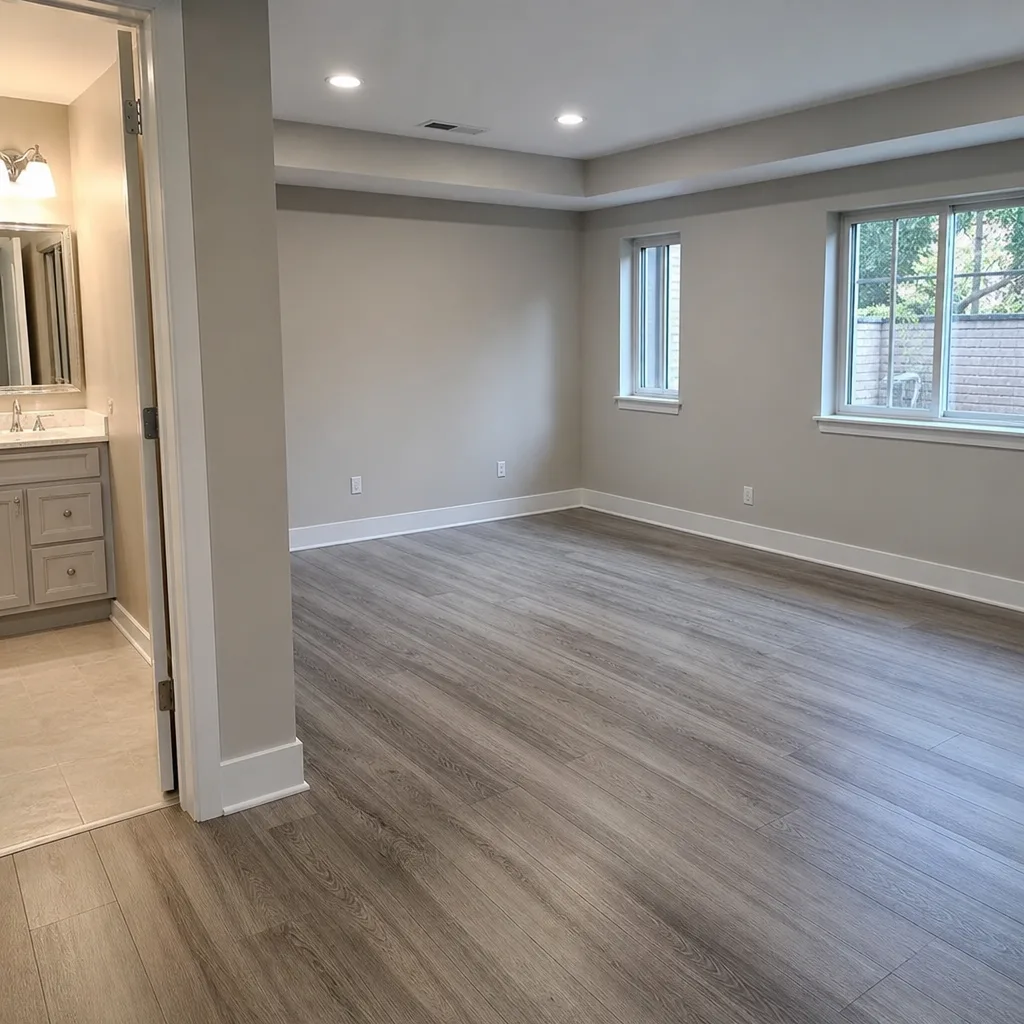 After
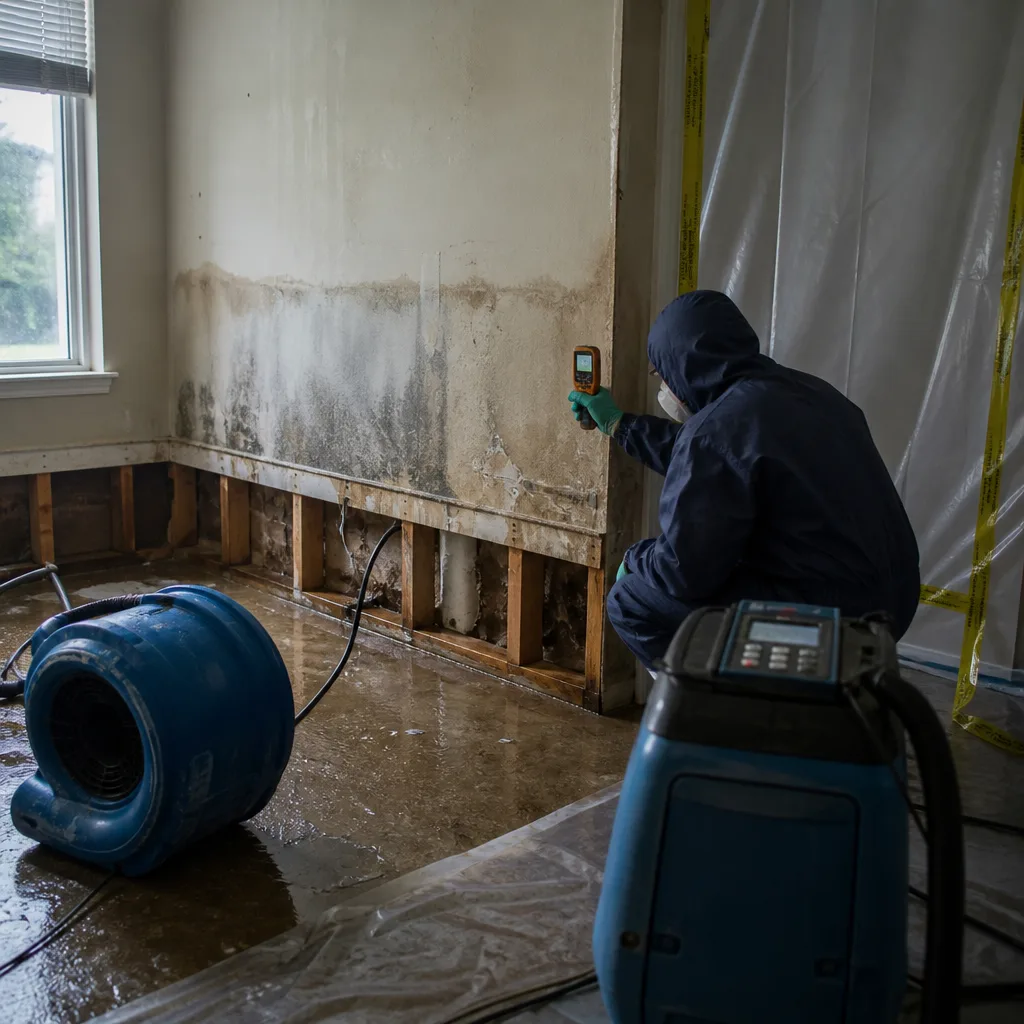 Before
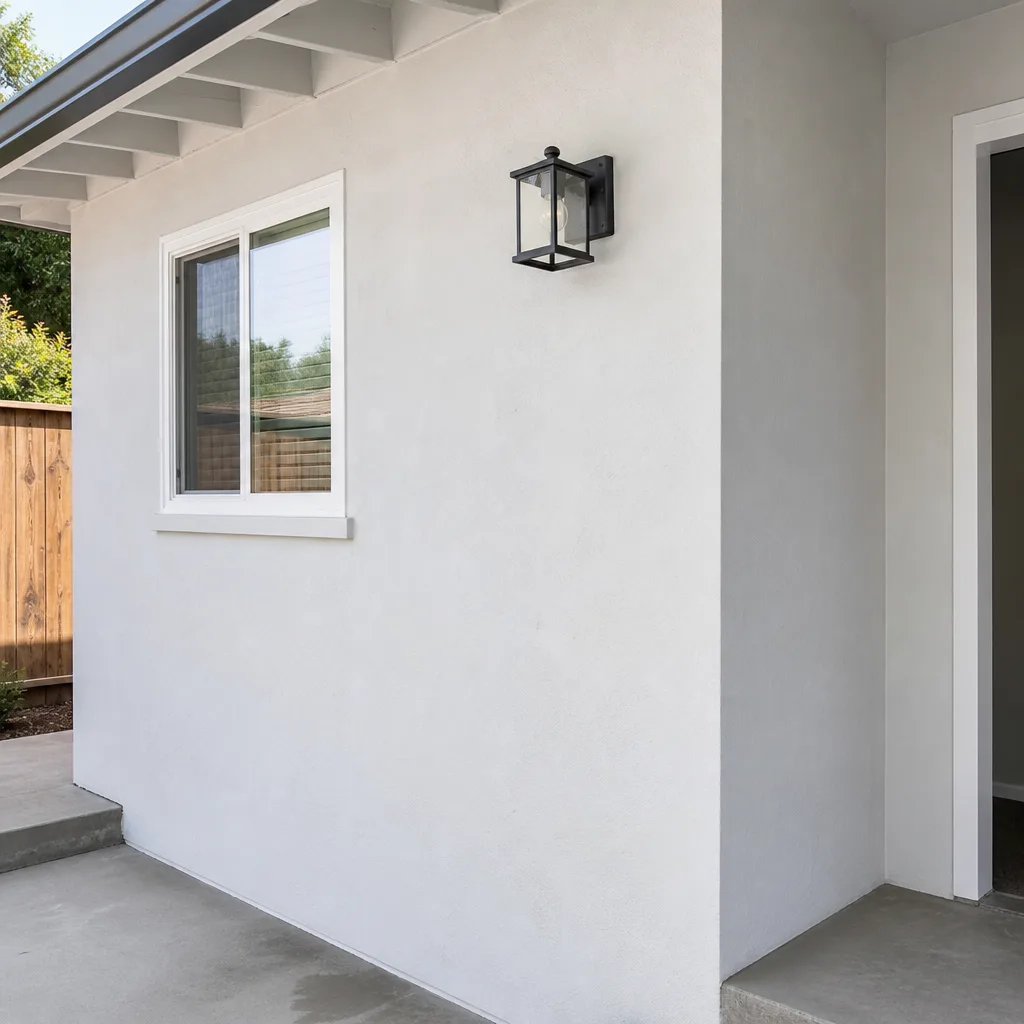 After
How Much Does Water Damage Restoration Cost in Pomona?
Water damage restoration in Pomona typically costs $1,200 to $4,500 for a single-family home, with most jobs landing around $2,400. A small, caught-early leak in a bathroom or laundry room can run $900 to $1,500. A burst supply line that soaks multiple rooms, or a Category 3 sewage backup, pushes past $6,000 to $9,000 once contaminated materials are removed. Costs climb with how far water traveled, what it soaked into, and whether structural drying inside walls is needed.
Below you’ll find real dollar ranges for the Pomona market in 2026, the line items that actually move the final number, and the situations that are cheaper to fix now than a week from now.
Water Damage Restoration Cost Breakdown (2026)
Most restoration invoices are built from the same handful of line items. Here’s what each one costs in Pomona this year.
| Line Item | Typical Range (Pomona, 2026) |
|---|---|
| Emergency assessment & moisture mapping | $150 – $350 |
| Water extraction (per affected room) | $400 – $900 |
| Structural drying (per day, per room) | $275 – $650 |
| Injectidry in-wall / subfloor drying (per wall cavity or panel) | $300 – $700 |
| Mold remediation (small area, under 10 sq ft) | $650 – $1,600 |
| Mold remediation (large area, over 100 sq ft) | $2,400 – $6,500 |
| Debris removal & haul-away | $250 – $800 |
| Contents cleaning & pack-out | $350 – $1,800 |
| Reconstruction (drywall, paint, flooring) | $1,500 – $12,000+ |
A typical 3-room job with extraction, three days of commercial drying, and small drywall repair sits near $3,100. Add categorical contamination, or drying inside a wall cavity instead of opening it, and the number shifts. The single biggest driver is material type: water that reaches carpet pad is easy; water that reaches a subfloor, baseboard, or stucco wall assembly takes longer to dry and more equipment to bring back to verified pre-loss condition.
What Affects Water Damage Restoration Pricing in Pomona?
- Water category. Clean water (Category 1) is the cheapest to handle. Gray water from a washing machine or dishwasher and black water from a sewer line require containment, protective protocol, and often removal of porous materials. Sewage backups routinely cost double a clean-water job of the same square footage.
- How long it sat. A leak that’s been weeping under a cabinet for three weeks has already started growing mold, and mold changes the scope. Fresh damage caught within hours is the cheapest possible scenario.
- Home construction and age. Much of Pomona’s housing stock near Lincoln Park and downtown was built in the 1920s through 1950s. Original hardwood floors, plaster-and-lath walls, and pier-and-beam subfloors behave very differently from modern slab-on-grade construction. Plaster holds moisture longer than drywall and needs a longer dry cycle.
- In-wall moisture. If we need to dry inside a wall cavity or beneath the floor without cutting out drywall and paneling, the Injectidry system adds a line item but usually saves three to ten times that amount by avoiding demolition and rebuild.
- Accessibility. A second-floor bathroom leak that needs drying in the ceiling cavity below takes more setup than a single-room job. Crawlspace access and attic work both add labor time.
- Contents. Furniture, documents, and electronics that need cleaning or pack-out add cost. Some items are worth the treatment, others aren’t.
The Local Factor: Why a Pomona Job Isn’t a Riverside Job
Pomona sits in the eastern San Gabriel Valley at the Juniper Hills edge of the Inland Empire, and that geography shapes what we see. Afternoon heat in August and September drives attic temperatures past 130°F, so moisture trapped in a wall cavity on a south-facing wall in Pomona dries unevenly from within, leaving the baseboard wet days after the fan is turned off. That’s exactly the condition a moisture meter catches and a visual inspection misses.
Our dry Inland Empire winters mean plumbing supply lines, not rain, cause most of the water damage we handle in Pomona homes. Older homes in the city still run original galvanized steel and, in some cases, polybutylene plumbing, both of which fail without warning and typically inside a wall or under a cabinet. When a supply line lets go, water finds the path of least resistance: into the subfloor, then the baseboard, then the bottom plate of the wall framing. That’s where the Injectidry in-wall drying matters most, because we can address the cavity directly rather than tearing into it.
We also work around a practical local reality: many Pomona homes have rental units, ADUs, or converted garages, and landlords need clear documentation to file a claim or to prove work was done. Every restoration we run is documented with moisture readings, photos, and a dated dry log aligned with IICRC standards, so the file holds up when an insurance adjuster or property manager reviews it.
Water Damage Restoration vs. Mitigation vs. Reconstruction: Where the Money Goes
The $1,200 – $4,500 range covers restoration and mitigation, not the full rebuild. Once the structure is dry, reconstruction is typically billed separately.
Mitigation is the emergency side: stopping the source, extracting water, setting equipment, monitoring until the structure is verified dry. Restoration is what most people mean by “putting the house back”: replacing drywall, flooring, baseboards, and paint to return the property to pre-loss condition.
Because we handle water damage, mold remediation, and fire damage restoration under one roof, there’s no gap between the mitigation team and the rebuild team. That continuity keeps the scope in one set of hands, which matters when your insurance claim requires one point of contact.
For comparison on the neighboring city pricing scale and process, see our page on home restoration and remediation services.
What Does the Equipment Have to Do With the Price?
It controls how many days of drying you pay for. Low-grade shop fans and dehumidifiers move less air and pull less moisture, so a job that should take three days can stretch to six or more. That’s more days of equipment rental, more monitoring visits, and in the worst case, mold growth that wasn’t there on day one.
We run commercial-grade drying systems from Dri-Eaz, Phoenix, XPOWER, B-Air, and Injectidry. Those are the names the top-tier restoration firms use, not the hardware-store rental aisle. Dri-Eaz and Phoenix LGR dehumidifiers pull moisture out of the air fast enough to keep a drying chamber saturated with dry air, and XPOWER and B-Air air movers keep it circulating at the wall, floor, and cavity surfaces where the moisture actually sits.
The equipment isn’t the point on its own. The point is that proper equipment, used to standard, shortens the job, which lowers your bill. The Injectidry system is a good example: it forces dry air directly into wall cavities and beneath the subfloor, so a tech can dry the structure without opening walls. Fewer demolition line items, less disruption, and a rebuild cost that stays where it belongs.
Our process is aligned with IICRC standards (the restoration industry’s recognized certification body), and we maintain membership in RIA and affiliation with IFA. That means the work is done to an auditable standard, and the documentation to prove it comes with the job. For a look at how we run a water job from start to finish, see Water Damage Restoration in Irvine.
How to Save on Water Damage Restoration in Pomona
Restoration costs are mostly determined by how much got wet and how long it stayed wet, so the savings are usually on the front end of the problem, not the invoice.
- Call the same day you find it. Every day of delay adds a dry day or more to the job. Acting within 24 hours cuts drying time and drops the chance of a mold remediation scope.
- Shut off the source before we arrive. If a supply valve or water heater is leaking, closing the main stops the loss from growing while you wait for the truck.
- Don’t run a home shop-vac over the carpet pad. It won’t pull water out of the pad or subfloor, and the standing moisture only spreads deeper.
- Document before cleanup. Photos and a video of the affected area help the claim and speed up the estimate.
- Ask about the drying-only path. If the structure can be dried without demolition, using in-wall drying avoids the rebuild line item. That’s often the difference between a $2,000 job and a $7,000 job.
- Get the estimate in writing before work starts. Ours is free, and we’ll walk the scope with you line by line.
For a free estimate on a Pomona water damage job, call (888) 508-8745. We’ll tell you what the job actually needs, not what’s easiest to bill.
Does Insurance Cover Water Damage Restoration in Pomona?
Most homeowners insurance policies cover sudden, accidental water damage, like a burst supply line or a failed water heater, and typically cover the resulting drying and rebuild. Gradual leaks and long-term neglect are usually excluded, which is one more reason to call the moment you find the problem.
Here’s what to have ready when you file: the date and time you noticed the damage, the source, photos, and a moisture report from the restoration team. We produce that documentation as part of the job and keep it aligned with IICRC standards so an adjuster can follow the dry log. For a commercial property or tenant-occupied unit, the same documentation protects the landlord’s claim as well as the tenant’s contents claim. If you’re unsure how your policy applies, our team can walk through the scope with your adjuster to make sure the file is complete.
FAQs – Water Damage Restoration Cost in Pomona
What is the average cost of water damage restoration in Pomona?
Most Pomona homeowners pay $1,200 to $4,500, with the typical job landing near $2,400. A small, contained leak is on the low end. A multi-room loss with contaminated water or mold is on the high end. Call (888) 508-8745 for an exact quote – the estimate is free.
Is it cheaper to repair or replace water-damaged drywall and flooring?
Repair almost always beats replacement unless the material is unsalvageable. Replacing drywall in one wall cavity typically runs $400 to $1,200, while full-room replacement with paint pushes $1,800 to $4,500+. That’s why we use the Injectidry system to dry wall cavities from within whenever the material can be saved. Call (888) 508-8745 to find out if yours qualifies.
Can you dry water damage without tearing out walls?
Often, yes. With in-wall drying equipment, we can force dry air directly into a wall cavity and under the subfloor without opening the wall, which avoids the demolition line item and the rebuild that follows. It depends on how far the water traveled and what the inside of the cavity looks like. Call us and we’ll check the moisture readings first.
How much does a burst pipe cost to fix in Pomona in 2026?
Restoring a burst supply line in a Pomona home typically runs $1,500 to $4,000, depending on how many rooms and how much subfloor got wet. The plumbing repair itself is separate. Quick action keeps the restoration number down. Call (888) 508-8745 at the first sign of water.
Does a small leak really need professional restoration?
It depends on where the water landed. A leak that reached the subfloor, baseboard, or bottom plate can leave moisture in a wall cavity that a fan won’t reach, and mold can start in 24 to 48 hours. A moisture check costs less than a mold remediation job, which typically starts at $650. Call (888) 508-8745 and we’ll tell you straight.
Talk to Us About a Real Number
Water damage rarely stays the same size. What’s a $1,500 drying job on day one can become a $5,000 job with mold remediation on day ten. If you’re looking at wet flooring, a stained ceiling, or a wall that feels soft, call Clean Slate Water Damage at (888) 508-8745 for a free Water Damage Restoration services estimate. We’ll show up with the commercial-grade equipment to get your property back to verified pre-loss condition, and we’ll document every step for your insurance claim.
Written by the team at Clean Slate Water Damage, serving Pomona and the surrounding communities with IICRC-aligned water damage restoration, mold remediation, and fire damage restoration.
Pricing reflects the Pomona market as of 2026. Clean Slate Water Damage offers free estimates – call (888) 508-8745.
Related Services and Guides
- Water Damage Restoration in Irvine: how we handle water losses in a neighboring market.
- Home: our full restoration services, equipment, and standards.
- Mold remediation after a water loss: what it costs and when it’s needed.
- Fire damage restoration: covering a fire loss from smoke and water damage through rebuild.
- What to do in the first hour of a water emergency: a step-by-step guide.
- How to read a moisture meter report: what your adjuster looks for.
- Choosing a restoration contractor in the San Gabriel Valley: what to ask and what to avoid.
- Burst pipe in a slab foundation: what it means for the floor above.
- Drying a crawlspace after a leak: why it’s a job for commercial equipment.
- Water damage in a rental unit: what a property manager needs to document.
- AC condensate line leaks: a common and often-missed source of summer water damage.
- Why category matters: clean, gray, and black water and what each means for your claim.
What Our Customers Say
"Supply line let go under the upstairs bathroom at two in the morning. They had a crew here inside ninety minutes, water extracted before dawn, and dehumidifiers running by breakfast. The ceiling below was saved."
— Grace Nguyen"Post fire smoke damage. The smell that I was sure was permanent is completely gone."
— Kristen Rhodes"Dealt directly with the insurance adjuster and documented everything with photos and readings. Our claim went through without a single dispute."
— Rosa Delgado