 Water damage drying
 Fire & smoke cleanup
 Mold remediation
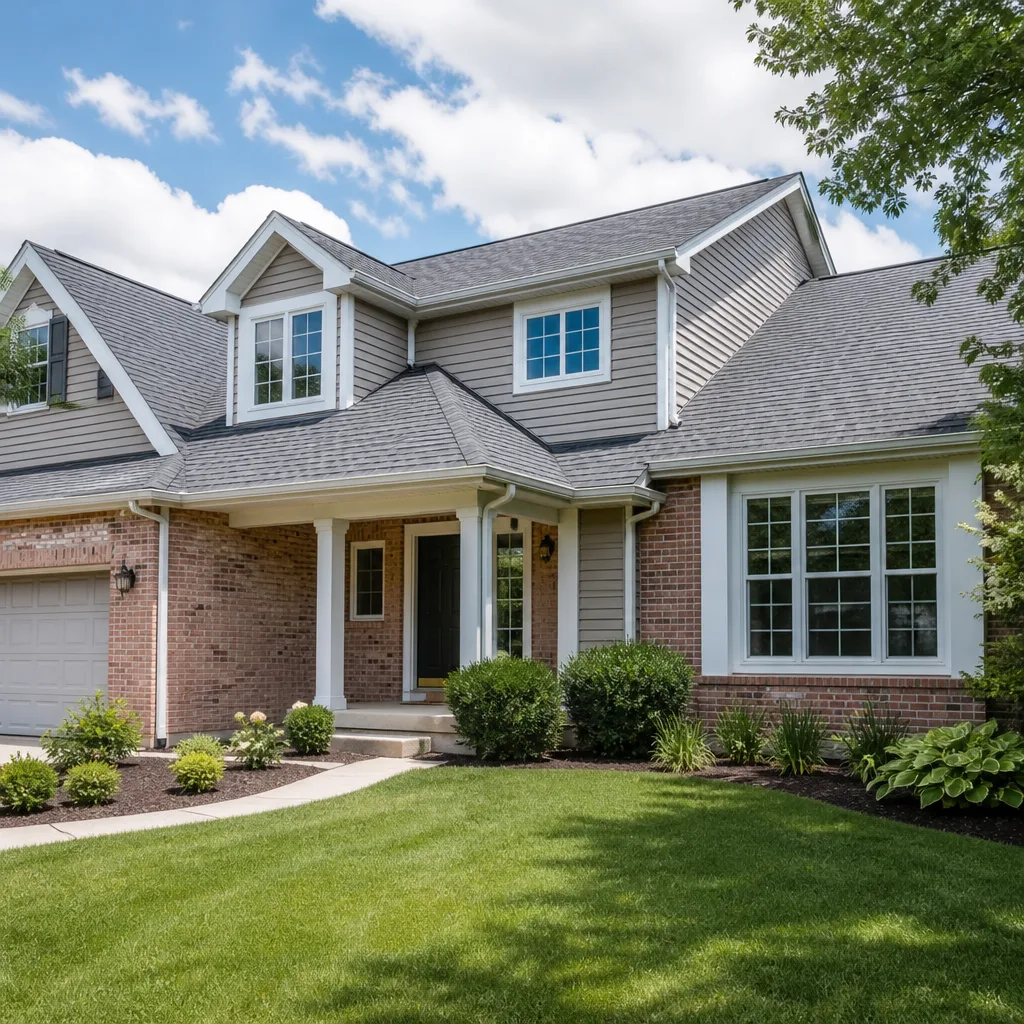 Storm response
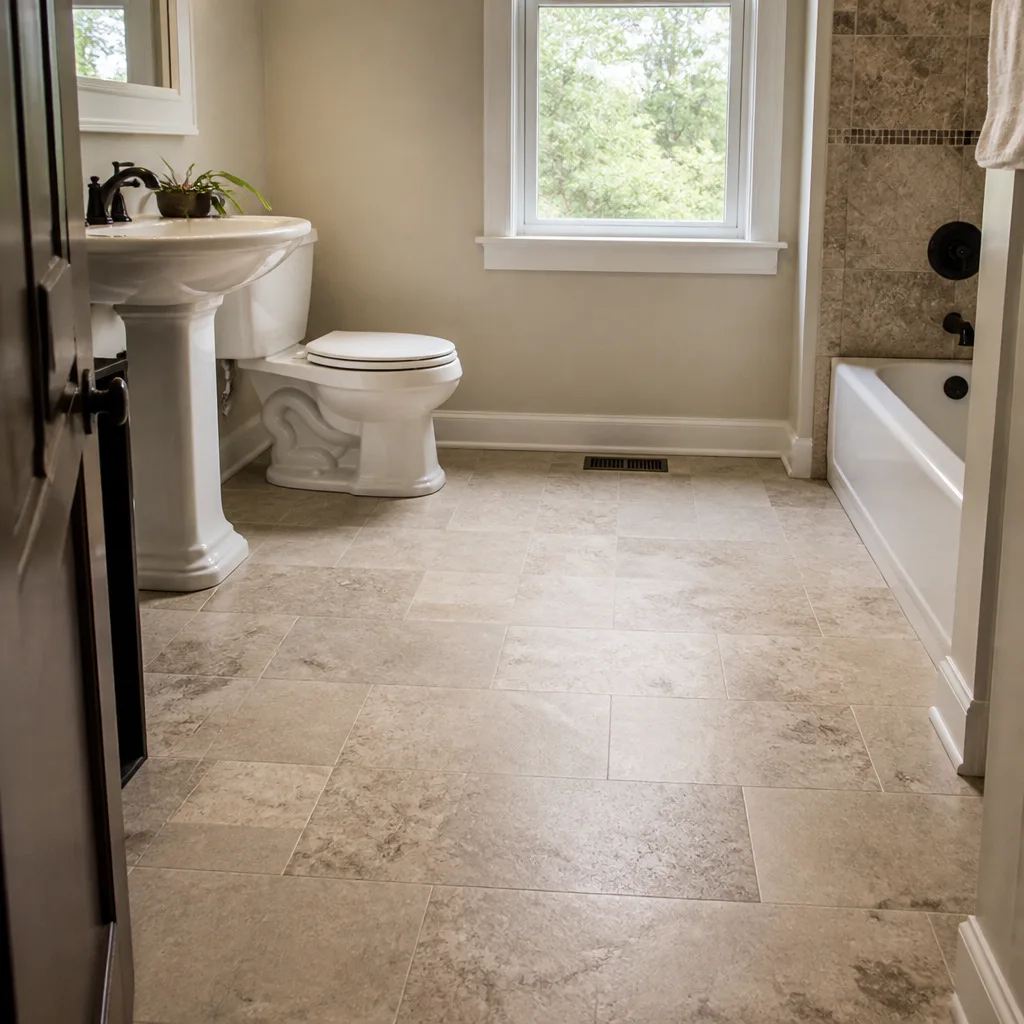 Sewage cleanup
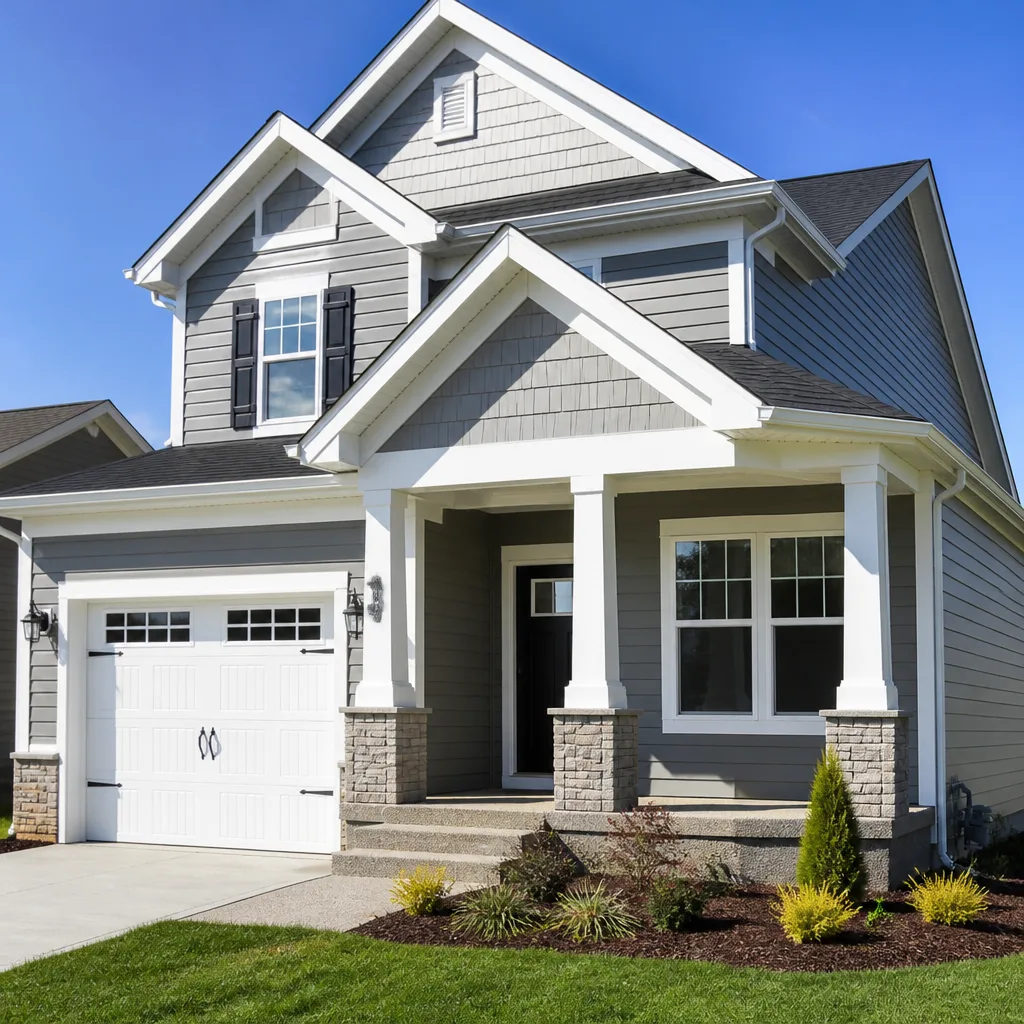 Reconstruction
Free visual inspection and a written scope of work before any mitigation begins - photos, moisture readings, and drying logs go in your claim file
The scope we write is the scope we bill. Anything new gets shown to you, in writing, before we touch it.
Get your free estimateWater Damage Restoration in Pomona: Fast, Certified, and Built Around Your Home’s Age
Water damage restoration in Pomona typically costs between $2,900 and $7,800 for extraction, structural drying, and rebuild prep, though category, square footage, and the age of your plumbing move the final number up or down. Most calls are answered live and crews can reach most parts of Pomona within 45 to 70 minutes, including the historic districts and the post-war tracts. This page is written for Pomona property owners, and it covers the failure modes we actually see in this city’s housing stock, not the generic dry-out script every restoration company pastes onto every town.
Call (888) 508-8745 and you’ll speak to a human being who can dispatch a crew, tell you what to do in the next 20 minutes, and give you a straight answer about cost before anyone gets in a truck.
Fast, Reliable Water Damage Restoration Across Pomona
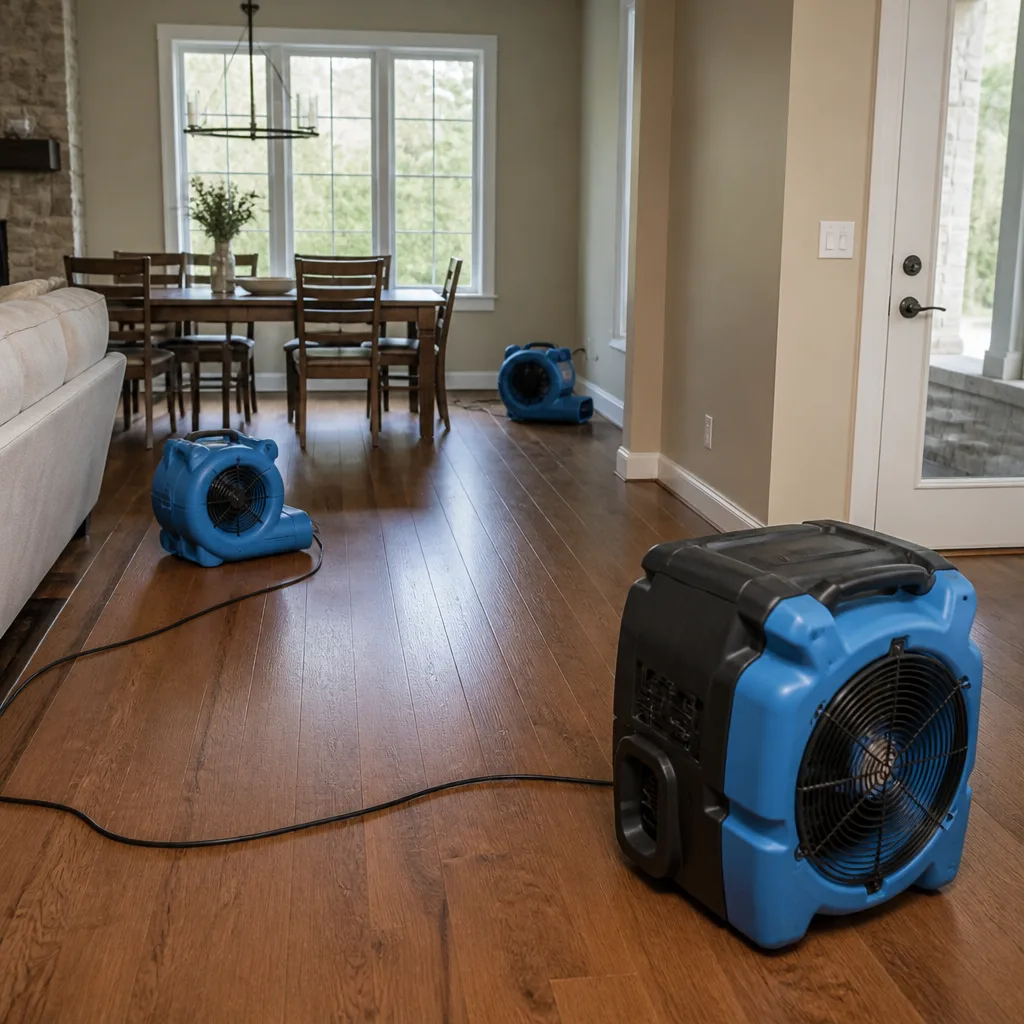
We work in Pomona every week, and most of the city is a short drive from our staging area, so our real-world dispatch time to the Lincoln Park district, Wilton Heights, the Civic Center area, north Pomona near the foothills, and the Holt Avenue corridor is usually under an hour. That matters with water damage because the longer water sits in wood framing, plaster, and flooring, the more material must be torn out instead of dried in place. Our crews run commercial-grade Dri-Eaz and Phoenix drying systems, and we couple that with Injectidry cavity drying when the water has traveled into walls or under slab. That’s the difference between treating the visible puddle and treating the cavity that’s still holding moisture after the surface is dry.
If you’re reading this while water is actively spreading in a Pomona home, turn off the water at the main shutoff, kill power to the affected area if it’s safe to do so, and call (888) 508-8745 for real-time guidance.
Key Takeaways
- Water damage restoration in Pomona averages $2,900 – $7,800 depending on water category, affected square footage, and how long the water has migrated into wall cavities.
- Older Pomona homes with galvanized plumbing, lath and plaster, and minimal insulation dry unevenly; surface dryness in semi-arid heat is not proof that a wall cavity is dry.
- Category 3 water (sewage, drain backup) cannot be dried like clean water: porous materials come out, and every hard surface must be disinfected to IICRC-aligned standards.
- Injectidry panel drying saves walls and floors that most generalist contractors would cut out; less demolition means lower rebuild cost and less time displaced.
Restoration work we handle
Why Clean Slate Water Damage Is Pomona’s Preferred Water Damage Restoration Company
We don’t rely on “local experts” language or stock photos of a van in front of a mountain. Our reputation in Pomona is built on older homes with lath-and-plaster walls, galvanized supply lines, and the kind of hidden moisture problems that don’t show up on a surface reading. Homeowners and property managers around Lincoln Park, Wilton Heights, and the Ganesha Hills area call us because we run moisture mapping before we declare anything dry. That means pin and pinless meters, not a hand laid on a wall.
Noel Carrasco, who leads the company, has spent enough time in Pomona attics to know what happens when a Santa Ana wind event pushes ash into vented framing, and how that interacts with a fresh water loss. Most restoration crews aren’t thinking about odor intrusion during a burst pipe call. We are, because in this city, you can’t fully restore a home to pre-loss condition while ignoring what’s already living in the attic and wall cavities.
Our crew also runs the equipment serious restoration firms use nationwide: Dri-Eaz dehumidifiers and air movers, Phoenix desiccants, and Injectidry systems, not hardware-store rentals. And because Water Damage Restoration sits alongside mold and fire response under one roof, Pomona customers get one team from initial extraction through final clearance, not three contractors pointing fingers.
Water Mitigation in Pomona
Water mitigation in Pomona is the emergency phase of restoration: stop the source, extract the standing water, contain the affected area, remove saturated material that can’t be saved, and begin structural drying. In a 1918 Craftsman near Lincoln Park, that means setting containment to keep dust and spores from moving into the rest of the house, removing baseboards and drilling any flooded wall cavities, and setting Injectidry panel drying to pull moisture from behind lath and plaster. In a 1950s tract home near the Pomona Fairplex, the same job often means pulling saturated carpet pad off the slab, removing base, drilling the wet drywall, and setting Dri-Eaz air movers and Phoenix desiccant units to get the assembly down to a moisture level that will not support mold.
Homeowners call for water mitigation when a supply line bursts, a water heater cracks, a dishwasher feed fails, or a drain backs up and floods a floor. The job is not the rebuild; it’s the controlled removal of water and the start of drying. On a typical Pomona single-story water loss in the 1,000 to 1,600 square foot range, water mitigation runs about $2,400 to $6,500, depending on whether wall cavities are involved, whether hardwood needs to be saved, and the water category. A full basement flood in Pomona, which usually means an older home with a poured foundation and possibly a floor drain that failed, tends to push toward the top of that range and sometimes past it when a slab leak is feeding water from underneath.
Where Water Hides in Pomona Walls
The semi-arid Pomona heat dries surfaces fast, and that’s a trap for property owners. Wood framing and plaster can stay above the moisture threshold for days after the drywall face reads dry. We don’t call a Pomona wall dry by touch, ever. We remove a small section of base, run pin and pinless moisture meters through the cavity, and track readings daily. If the numbers aren’t coming down, we add heat or hold the drying longer; we don’t pull equipment early to hit a scheduling quota.
Why Water Category Decides the Budget
Not all water is the same, and in Pomona, the source matters as much as the volume. A clean supply line break on a hot August day is a Category 1 loss; it can usually be dried and restored. A backed-up drain or washing machine discharge carrying soap, soil, or sewer water is Category 2 or 3, and that changes the work: porous materials like carpet pad and insulation come out, and every affected surface gets cleaned and disinfected to IICRC-aligned protocols. Pricing and scope shift accordingly, and we put the category and the reasoning in a written scope before we start, so you’re never told mid-job that the price changed.
Flooded Basement in Pomona
A flooded basement in Pomona is usually one of two things: a failed sump or floor drain after heavy rain, or a supply or drain line routed under the floor that finally let go. The fix always starts with extraction and finding out whether the water is still coming in. In post-war tract homes, that means pulling base and boring into the bottom course of drywall to expose the plate; if the water came from a slab leak, we scope the line and mark the break so the plumber can make one clean cut, not open the floor in four places guessing.
The costs build on water category and whether the water reached wall cavities. A finished Pomona basement flood from clean supply water on a 700 to 1,000 square foot basement typically lands between $3,800 and $8,900, including extraction, demolition of unsalvageable finish material, structural drying with Injectidry where needed, and daily moisture logging until the assembly reaches pre-loss condition. A Category 3 flood from a sewer backup in the same basement pushes the range up, because the affected material is removed and disposed of, and every remaining surface must be disinfected and verified.
Saving the Slab Instead of Breaking It
Injectidry is designed for exactly this Pomona problem: a concrete slab with water trapped underneath. The system forces dry air directly into wall cavities and under flooring, pulling moisture out without saw-cutting the slab or gutting finished rooms. In a city where many post-war homes sit on slab, that’s the difference between a one-week dry-out and a multi-week demolition and rebuild project. We specify Injectidry when the moisture map supports it, and we leave it running until the readings back it up.
When a Basement Is Already Finished
Finished basements in Pomona are less common than in the Midwest, but they exist in custom builds and newer additions. When a finished basement floods, the order is the same: extract, contain, then decide what can be dried. Vinyl plank over concrete can sometimes be saved with Injectidry and heat drying; carpet pad almost always comes out. We make those calls in front of you, with the moisture readings in hand, and we put the line items in the written scope so there’s no ambiguity later.
Trusted Brands We Service in Pomona
We don’t bring rental-grade equipment to a Pomona water loss. The gear on our trucks includes Dri-Eaz and Phoenix drying systems, and the Injectidry panel drying units that let us dry walls and floors without cutting them open. We keep replacement components and consumables on hand at our staging area, which helps when we need to swap a filter or a sensor mid-job and don’t want to wait on a supply house. The equipment list matters because restoration is a materials-and-airflow problem: a floor that dries to the wrong moisture content or a wall that dries on the surface only will need to be opened back up later, and that’s a cost no Pomona homeowner should absorb twice.
See the difference
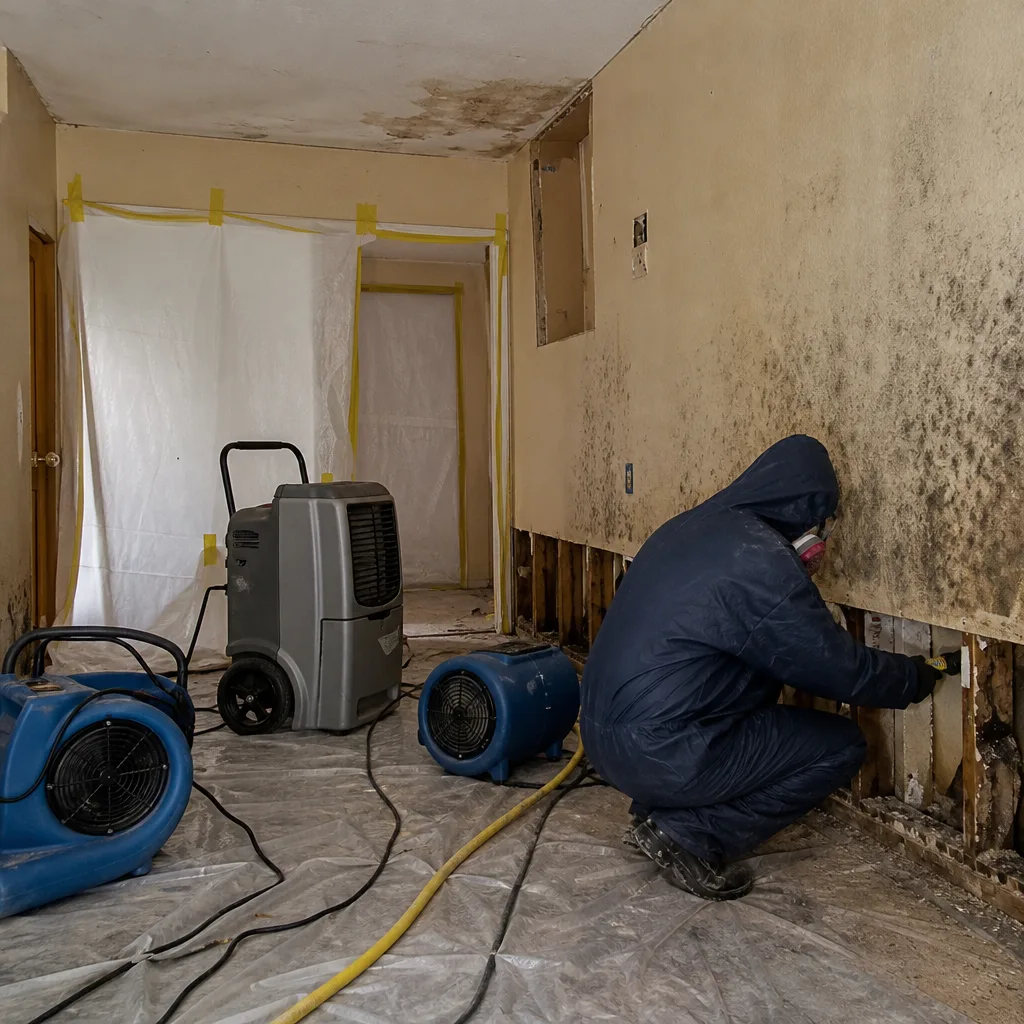 Before
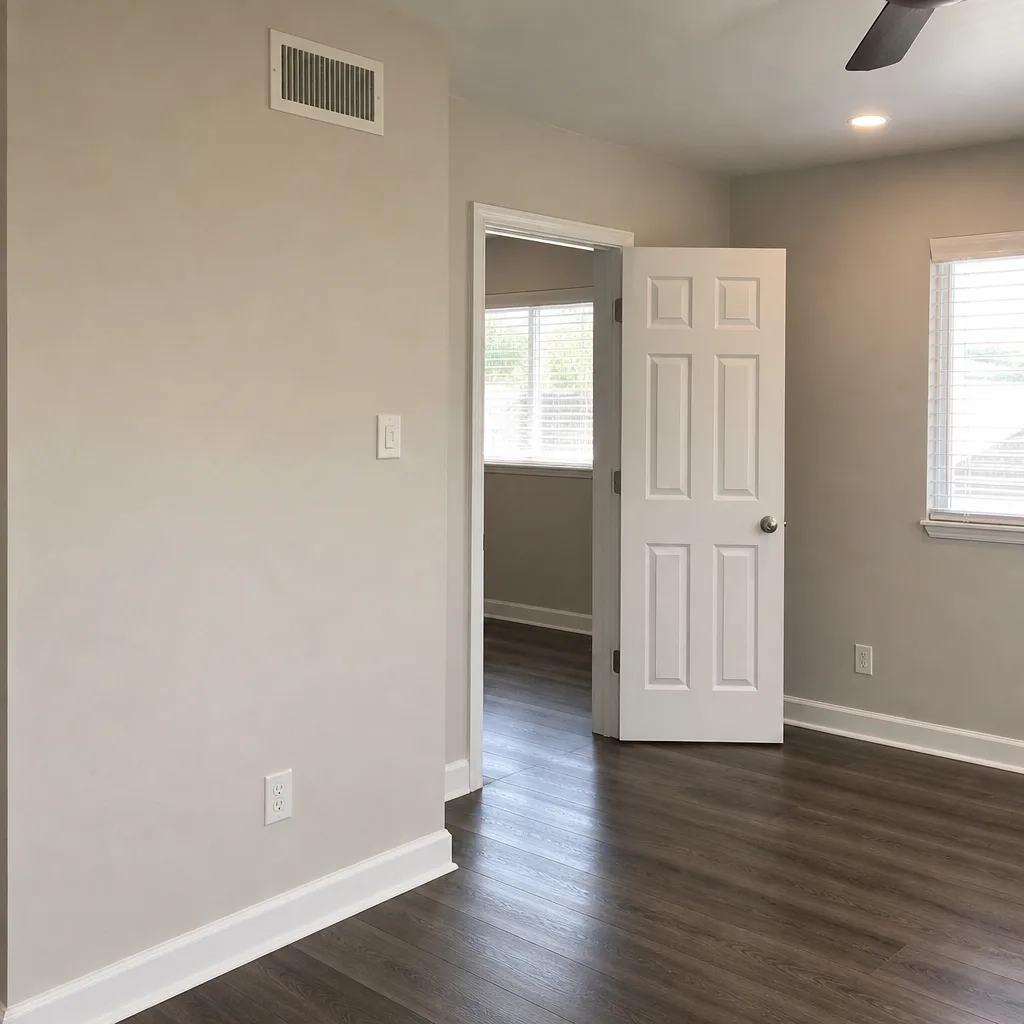 After
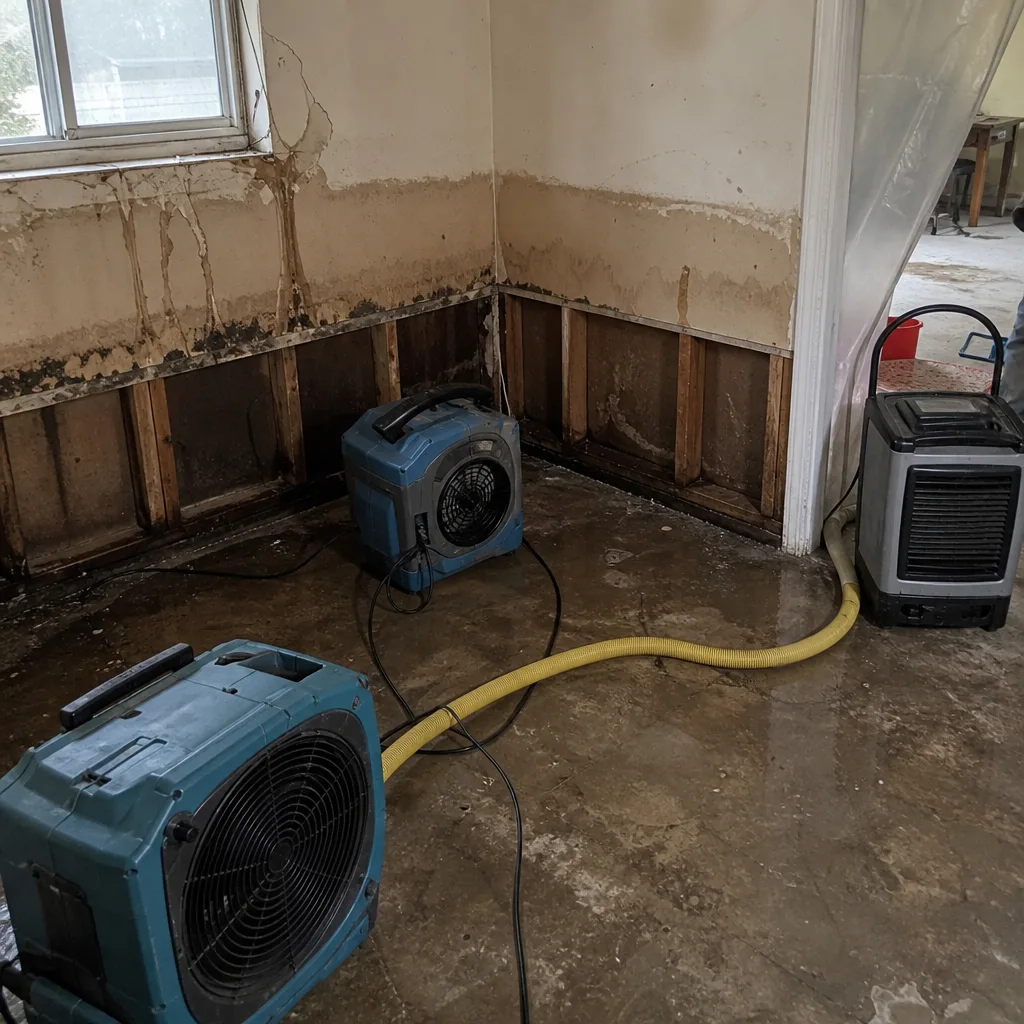 Before
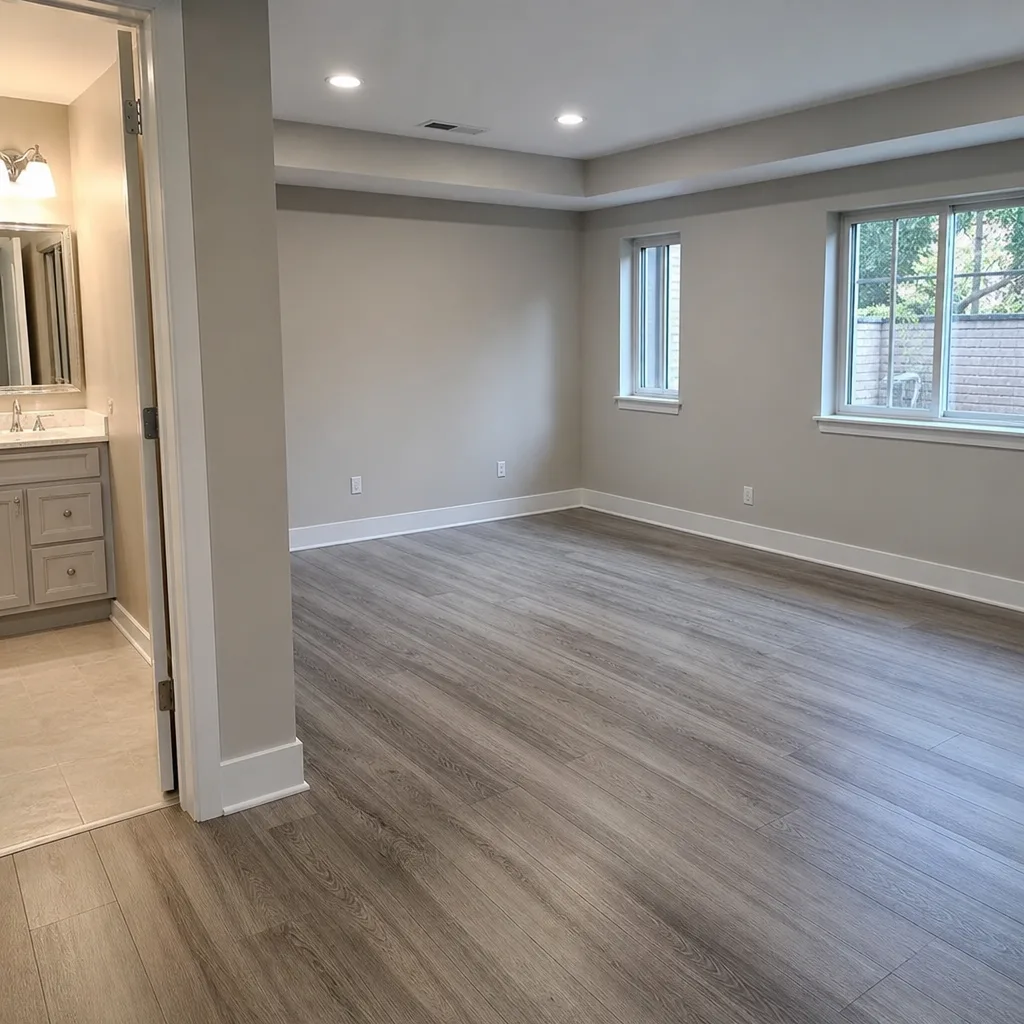 After
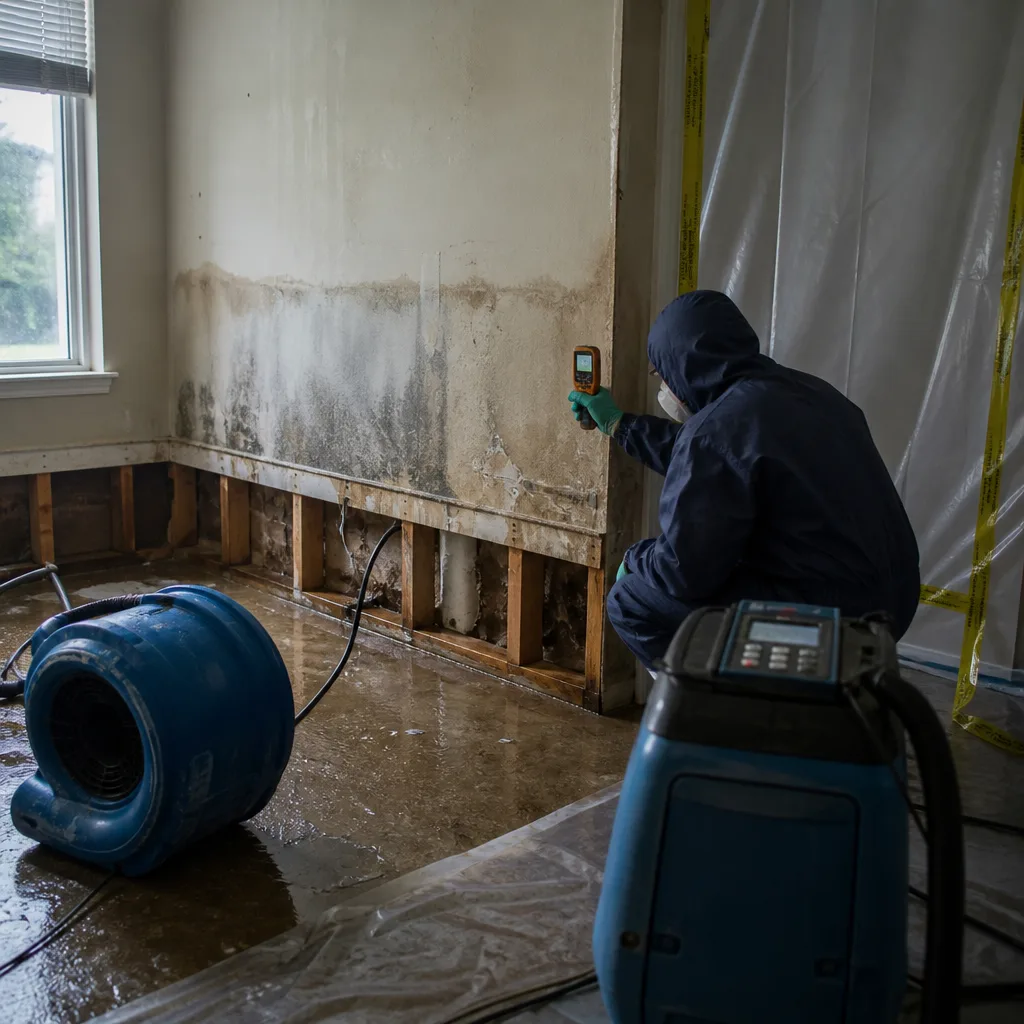 Before
 After
Common Water Damage Restoration Problems We See in Pomona Homes
Older Pomona housing stock creates predictable failure modes, and we’ve learned where to look first.
- Galvanized supply lines in Lincoln Park and Wilton Heights homes. These lines corrode from the inside out, and the first sign is often low pressure or a rust-colored stain, not a dramatic flood. When they fail, they soak the wall behind the plaster and often the floor below, and the damage travels before anyone notices.
- Slab leaks in 1950s and 1960s tract homes. Many Pomona post-war homes were built on slab foundations with copper lines running underneath. A slab leak wets the bottom plate and wicks up the drywall; it destroys flooring and feeds mold inside the wall if it goes undetected.
- Drain backups that flood the lowest point first. In Pomona’s older neighborhoods, cast iron drain lines have reached the end of their design life. A backed-up sewer line doesn’t stay in one room; it tracks to the lowest floor and spreads, creating a Category 3 mess that requires disposal of saturated materials and full disinfection, not just drying.
- Santa Ana smoke and ash intrusion on north Pomona homes. When the wind pushes ash into attic vents and older wood framing, a water loss in the same season leaves a home with damp insulation and embedded smoke odor. Most water-only crews never even look for it. We do, because water restoration in Pomona means accounting for what’s already in the attic.
Pricing for Water Damage Restoration in Pomona, CA
Here’s what we can say from years of writing and executing scopes in Pomona, not from a pricing calculator. Emergency water extraction alone runs $1,900 to $3,700 on most single-family Pomona homes under 2,000 square feet. Add structural drying with Dri-Eaz or Phoenix units and the total mitigation phase lands around $2,900 to $6,800. A flooded basement moves the range to $3,800 to $8,900 when finish materials are involved. Rebuild costs are separate and scoped line-by-line after mitigation is complete. What changes the price: water category, whether the water reached wall cavities or under slab, the amount of demolition required, and whether odor treatment is needed. We give a written estimate that spells out what’s dry-able and what’s out, so you’re not funding a guess on the day of the job. Estimates are free, and we’ll walk you through the scope before we start.
Call (888) 508-8745 for an exact quote on your Pomona property.
We Also Serve Cities Near Pomona
Our service area covers Pomona and the surrounding communities we drive through daily: La Verne, Claremont, Montclair, and Los Serranos. If you’re in one of those cities and have a water loss, the same crews and the same equipment apply. But if you’re looking for Water Damage Restoration in Pomona specifically, this page is the one to bookmark, because it’s written around Pomona’s aging plumbing, semi-arid climate, and the wind events that push smoke into attics. We know Pomona, and we’d rather work here than anywhere else.
Serving Pomona, CA — Our Local Coverage Area
We’re based in the Pomona area and know this community well. Use the map below to see our service coverage — if you’re nearby, we can almost certainly help.
FAQs About Water Damage Restoration in Pomona
Because the walls are built differently. Original lath and plaster and wood framing hold moisture longer than modern drywall, and Pomona’s semi-arid heat pulls moisture from the surface quickly while the cavity stays wet for days. In these older homes, we run Injectidry cavity drying plus moisture mapping daily to confirm the assembly, not just the wall face, has returned to pre-loss condition. A Craftsman in Lincoln Park with original plaster can need 4 to 7 days of drying, and that’s normal; pulling equipment early sets you up for mold. Call (888) 508-8745 if you’re seeing water stains or musty odor in an older Pomona home.
No, and in some ways the heat works against you. The high temperature and low humidity dry surfaces quickly, which makes a wall feel dry to the touch long before the framing behind it has released its moisture. That’s exactly when hidden mold starts. In Pomona’s triple-digit summer heat, we often find that a wall cavity reads above the mold threshold days after a homeowner thought the damage was “dried out.” The real risk isn’t the water you can see; it’s the moisture that stays behind a surface that’s already dry to the touch. If you’ve had a leak in a Pomona home and nobody took moisture readings inside the wall, call us for an inspection before you close anything up.
First we extract and determine the source. If it’s a slab leak, we mark the break using moisture readings and pipe scoping so the plumber can make a single, confident cut instead of opening the floor in several places. Then we dry the slabs underside with Injectidry or heat drying, and we dry the walls that have wicked moisture from the plate up. In a Pomona post-war home with a flooded finished basement, that usually lands between $3,800 and $8,900. Every day, we log the moisture numbers and adjust the drying plan if the readings don’t move. Call (888) 508-8745 to schedule a slab leak evaluation or basement flood response.
Category 1 is clean water from a supply line or a failed water heater; most of its materials can be dried. Category 2 carries soil or soap or other mild contamination from a washing machine or a sump overflow; the way we handle it is more aggressive. Category 3 is grossly contaminated water from a sewer backup or an outside flood carrying waste; the porous materials come out and everything else is disinfected. In Pomona’s older homes, a failed cast iron drain line frequently creates a Category 3 loss, and treating it like clean water is a mistake we see from lesser crews. The category is stated in our written scope and determines what gets dried and what gets removed.
Because of Santa Ana wind events. In the fall and winter, wind pushes smoke, ash, and fine particulate into attic vents and older wood framing across north Pomona’s foothill-adjacent homes. If a water loss happens in the same season, damp insulation absorbs and holds that odor, and a standard dry-out leaves a house that’s dry but still smells like smoke. That’s not restoration. Our techs check for attic particulate intrusion during the moisture inspection and include odor treatment in the scope when it’s present. One team handles the water, the odor, and the structure, so you’re not paying two crews to make two trips.
If you have water anywhere it shouldn’t be in Pomona, call (888) 508-8745 now. We answer live, tell you what to do in the next hour, and give you a free written estimate for the work your home actually needs.
Written by Noel Carrasco, Owner at Clean Slate Water Damage, serving Pomona since the company’s first day of operations.