 Water damage drying
 Fire & smoke cleanup
 Mold remediation
 Storm response
 Sewage cleanup
 Reconstruction
Free visual inspection and a written scope of work before any mitigation begins - photos, moisture readings, and drying logs go in your claim file
The scope we write is the scope we bill. Anything new gets shown to you, in writing, before we touch it.
Get your free estimateFast, Reliable Water Damage Restoration Across Glen Avon
When a supply line fails or Santa Ana winds drive contaminated water into your Glen Avon home, every hour matters. We respond to water damage calls across the 92509 area, from Pedley Road down to the flats along the Santa Ana River, with crews ready to extract standing water, map hidden moisture, and begin structural drying the same day you call. Our phone line, (888) 508-8745, connects you directly to a dispatcher who can have a truck rolling to Glen Avon within hours, not days. We know these 1950s-to-1990s slab-on-grade ranch homes and the ways they fail: aging copper supply lines under original stucco, HVAC returns pulling ash through attic vents, and septic backups that create a different category of water loss entirely. That local knowledge means we don’t waste time on guesses.
Why Clean Slate Water Damage Is Glen Avon’s Preferred Water Damage Restoration Company
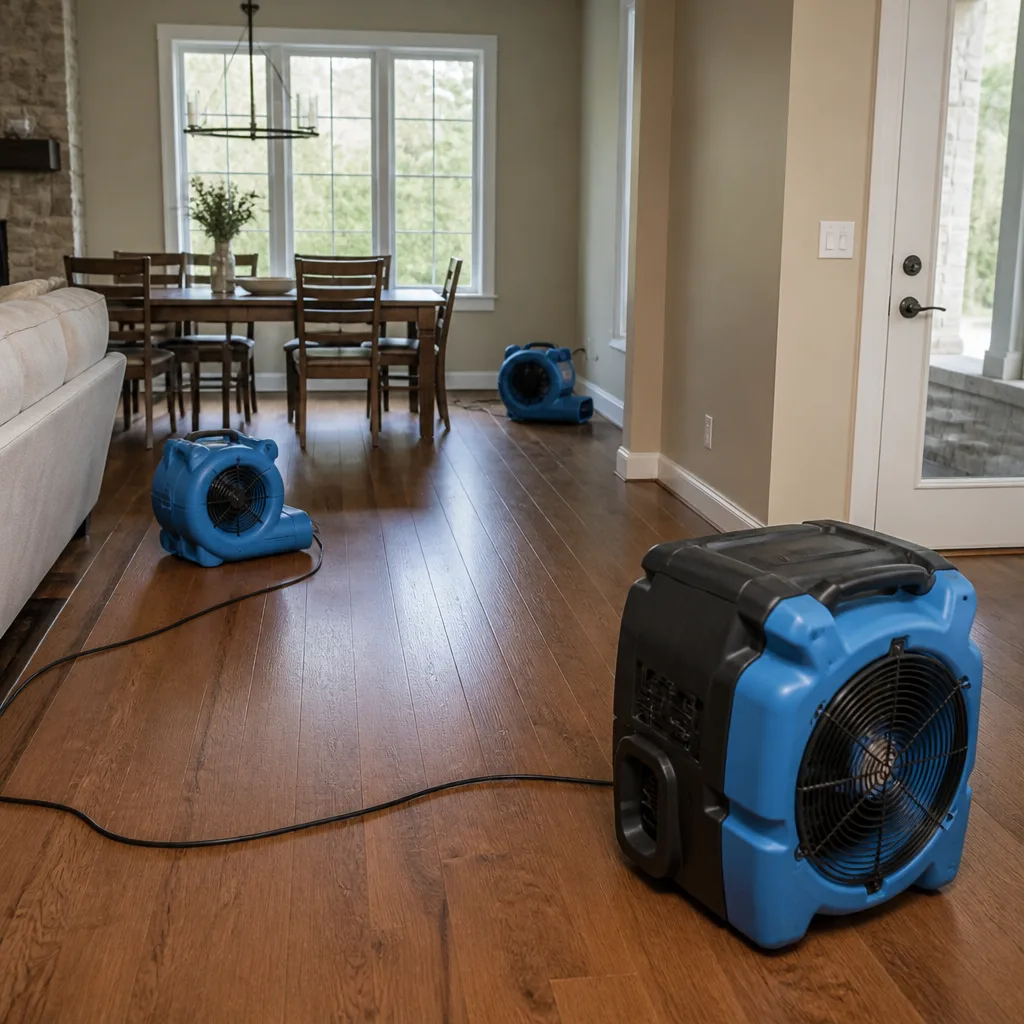
Glen Avon homeowners call us because we bring commercial-grade drying systems and IICRC-aligned processes to every job, not hardware-store rentals and guesswork. Our equipment roster includes Dri-Eaz LGR dehumidifiers, Phoenix air movers, and the Injectidry system, which forces dry air into wall cavities and subfloors without tearing out drywall. That’s the difference between a three-day drying project and a three-week rebuild. Homeowners along the Pedley-area tracts know that when a slab leak soaks the bottom plates of original 1950s framing, Injectidry non-invasive drying keeps the house intact while pulling moisture from exactly where it’s hiding.
Noel Carrasco, who leads our restoration team, built Clean Slate Water Damage around a single outcome: verified pre-loss condition, not surface-level stabilization. That standard shows up in the moisture logs we document with every job, the containment we set before any demolition, and the fact that we handle water, mold, and fire under one roof. Glen Avon residents dealing with a water loss that also involves wind-driven ash don’t need three contractors pointing fingers at each other. They need one team that understands how a category 1 water loss becomes a category 3 contamination problem when HVAC returns have been pulling soot for a week. That’s us.
Restoration work we handle
Water Mitigation in Glen Avon
Water mitigation in Glen Avon means stopping an active water loss from spreading, removing what’s already soaked, and creating the conditions for structural drying to actually work. On a typical slab-on-grade ranch off Pedley Road or in the older tracts near Rubidoux, that starts the same way: locate the source, kill the water, extract what’s pooled, and set containment so moisture can’t migrate into unaffected rooms. We use moisture meters and thermal imaging to map the full wet zone, because on slab foundations water travels laterally under flooring and into bottom plates where you can’t see it. In Glen Avon, a water mitigation scope of work for a supply line failure in a 1960s tract home typically runs $1,800 to $3,400, depending on how far the water migrated and whether cabinetry or vanities are involved.
Containment and Category Checks
Before we stage a single air mover, we determine the water category. A clean supply line break is category 1. Once that water sits, picks up contaminants from the slab, or gets pulled into an HVAC return that’s been circulating ash and soot, it’s category 2 or 3, and the mitigation scope changes substantially. In Glen Avon specifically, Santa Ana wind events create a scenario we see all the time: a water loss that looks isolated at first, but the HVAC return in an older Pedley-area home has been pulling wind-driven ash through attic vents for months, turning what should be a straightforward dry-out into a contamination response.
Structural Drying Without Demolition
Our Injectidry system is the tool most generalist contractors in Glen Avon don’t have. It pushes dry air directly into wall cavities, under subfloors, and behind original stucco without us having to open those surfaces up. For a 1960s ranch on a slab with hard-to-match original drywall texture, that’s the difference between preserving the house and gutting it. We pair Injectidry panels with Dri-Eaz LGR dehumidifiers and Phoenix air movers to drive moisture down to acceptable levels before any rebuild even starts.
Flooded Basement in Glen Avon
Flooded basement in Glen Avon is a phrase that needs a local correction: most 92509 housing stock is slab-on-grade, which means water doesn’t pool in a basement, it sits against the slab and wicks up into flooring, drywall, and bottom plates. That’s actually a harder problem to solve than a flooded basement, because gravity doesn’t help you drain water out of the interior. When a winter storm overwhelms the aging drainage on the flat valley floor of Glen Avon, or a septic system backs up on one of the rural parcels off Jurupa Road, water finds its way across entry thresholds and garage slabs, and then it sits there, feeding rapid mold growth in the hot, dry interior air. A typical flood cleanup scope on a slab-on-grade Glen Avon home runs $2,200 to $5,000.
Septic and Well-System Intrusion
Glen Avon’s 92509 core includes scattered rural parcels on wells and septic systems, unlike the newer infill in neighboring Jurupa Valley. When a septic line backs up or a well system leaks, the water that enters the home is category 3 by definition: grossly contaminated and requiring full antimicrobial treatment, not just drying. That’s a different job than a clean water supply line break, and you need a restoration team that handles it as such, with proper PPE, containment, and disposal. Treating a septic backup as a simple water loss is how homeowners end up with hidden contamination behind walls.
Slab Moisture and Hidden Supply Lines
The slab-on-grade construction throughout Glen Avon means water from a failed supply line under the slab doesn’t announce itself. It migrates up through the concrete, soaks the underlayment, and shows up weeks later as warped flooring or a musty smell. By then, the moisture has traveled farther than the visible damage suggests. Our moisture mapping and extraction equipment traces that water back to the actual failure point, and the Injectidry system dries the slab interface without jackhammering the foundation, which most Glen Avon homeowners don’t need and insurers don’t want to approve.
Trusted Brands We Service in Glen Avon
We stock parts and maintain equipment from Dri-Eaz, Phoenix, and XPOWER, which means we’re not waiting on a supplier when your Glen Avon home is losing conditioned air through a saturated wall cavity. Our equipment trailer carries Injectidry drying panels, LGR dehumidifiers, and enough air movers to handle a 2,500-square-foot ranch home. We service all major equipment brands ourselves, and because we’re aligned with RIA and IFA standards, our documentation holds up to the adjuster’s review and the homeowner’s expectations. If your water damage involves any of these systems, we’re already set up to handle the restoration with the same professional-grade equipment the top-tier national firms use.
See the difference
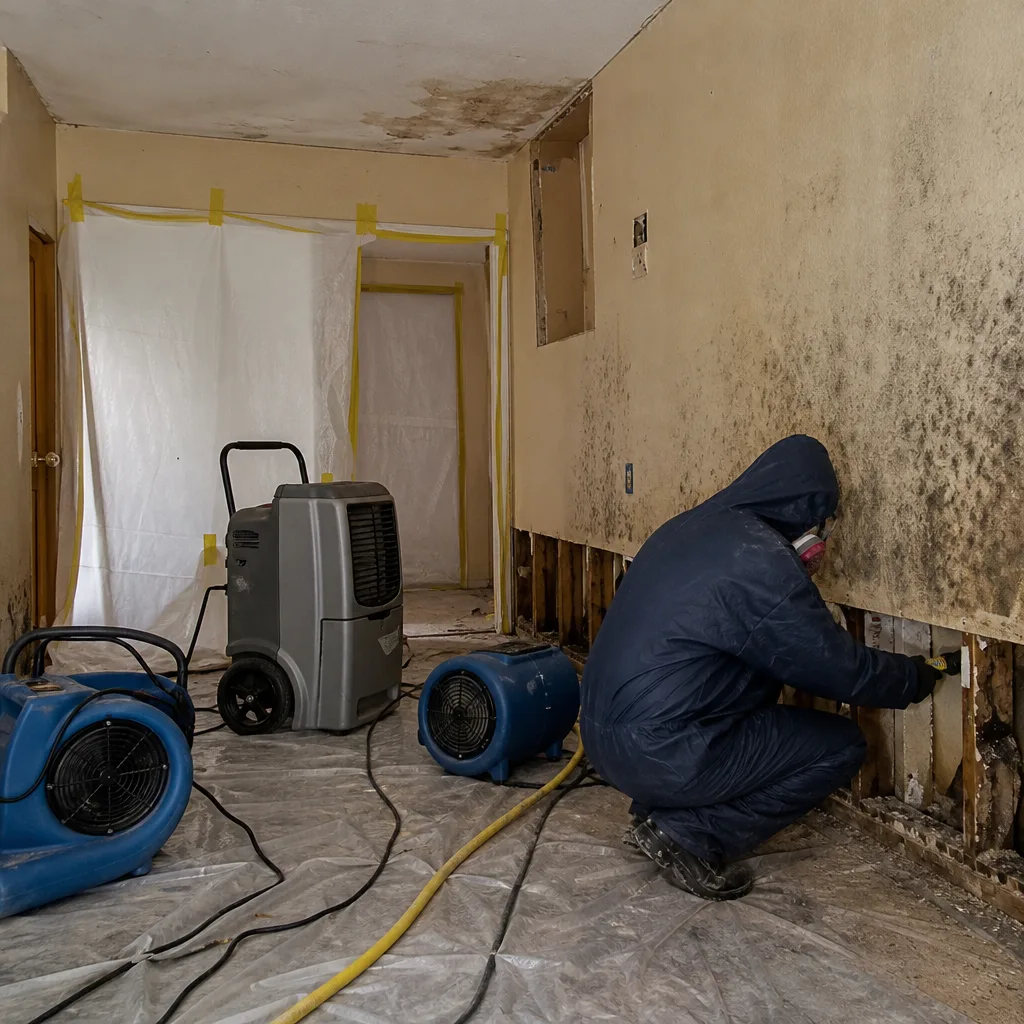 Before
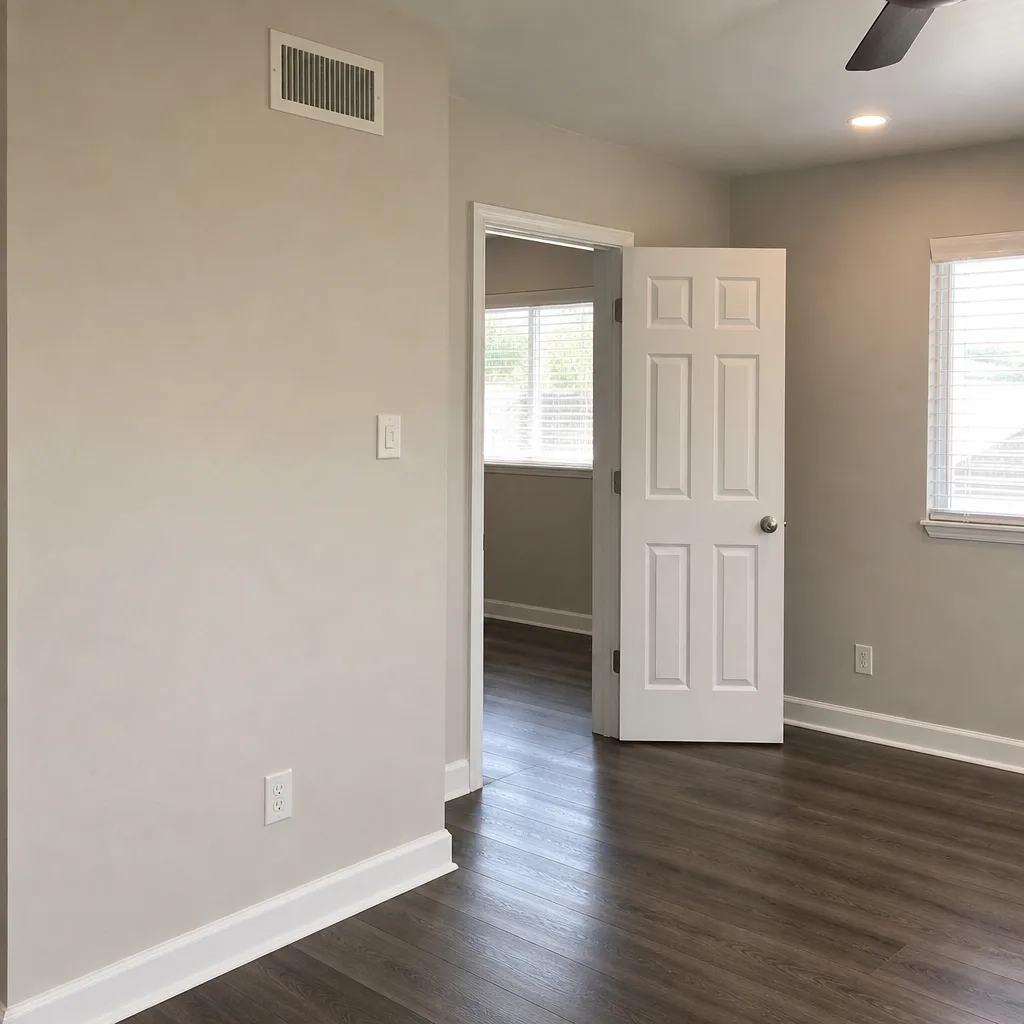 After
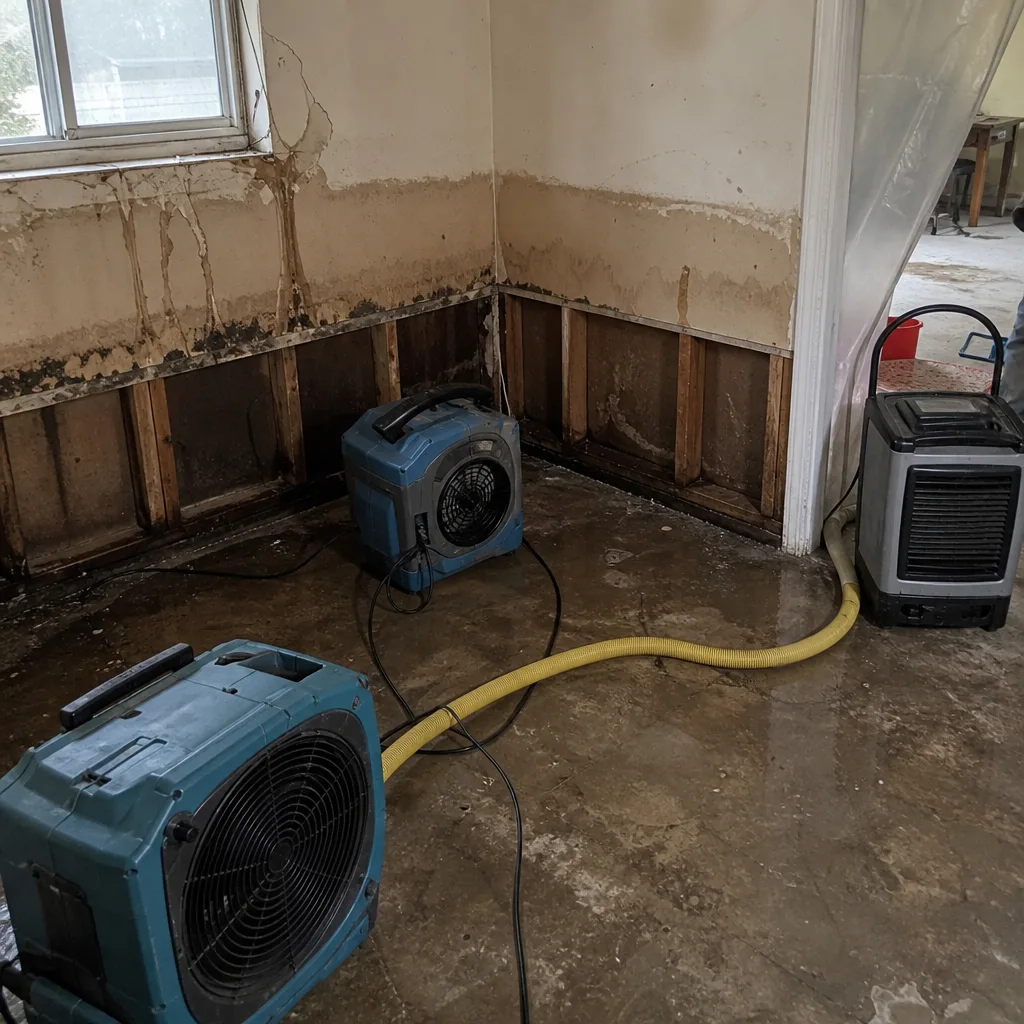 Before
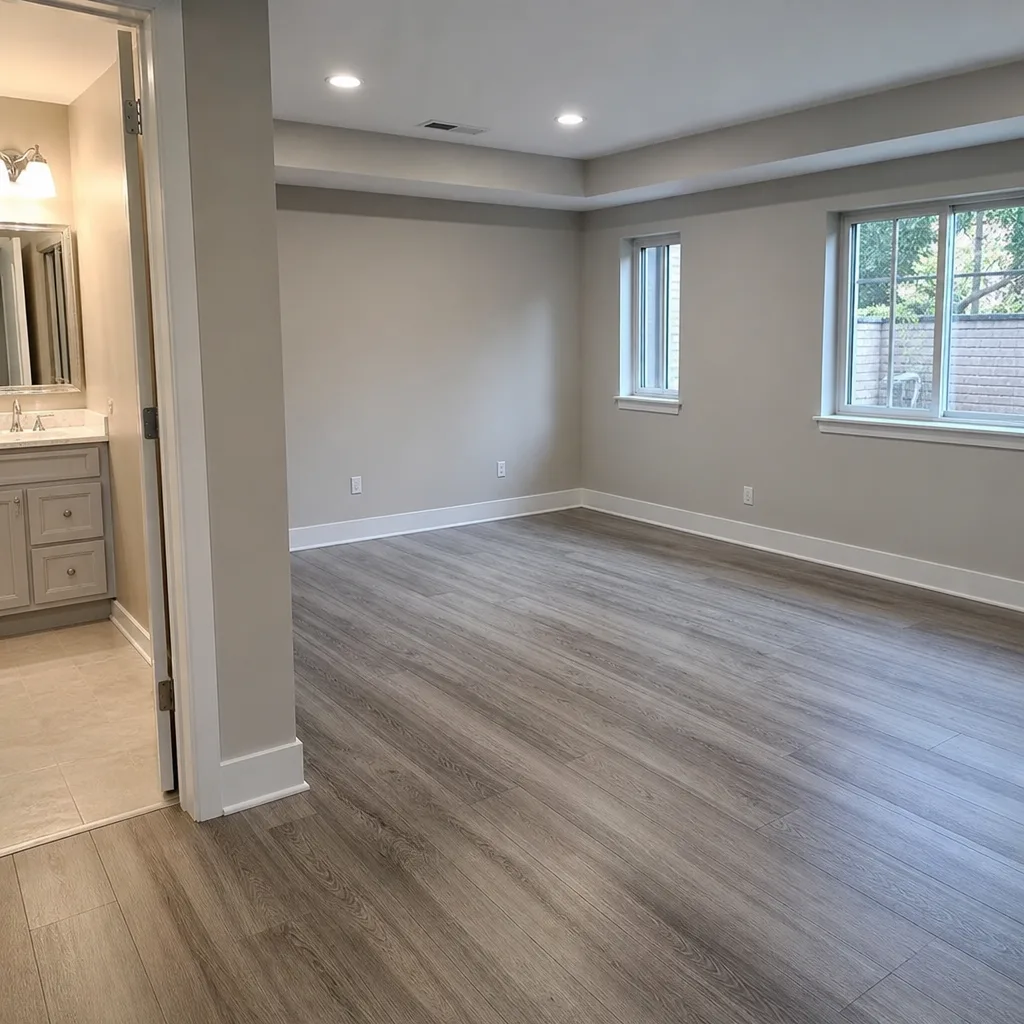 After
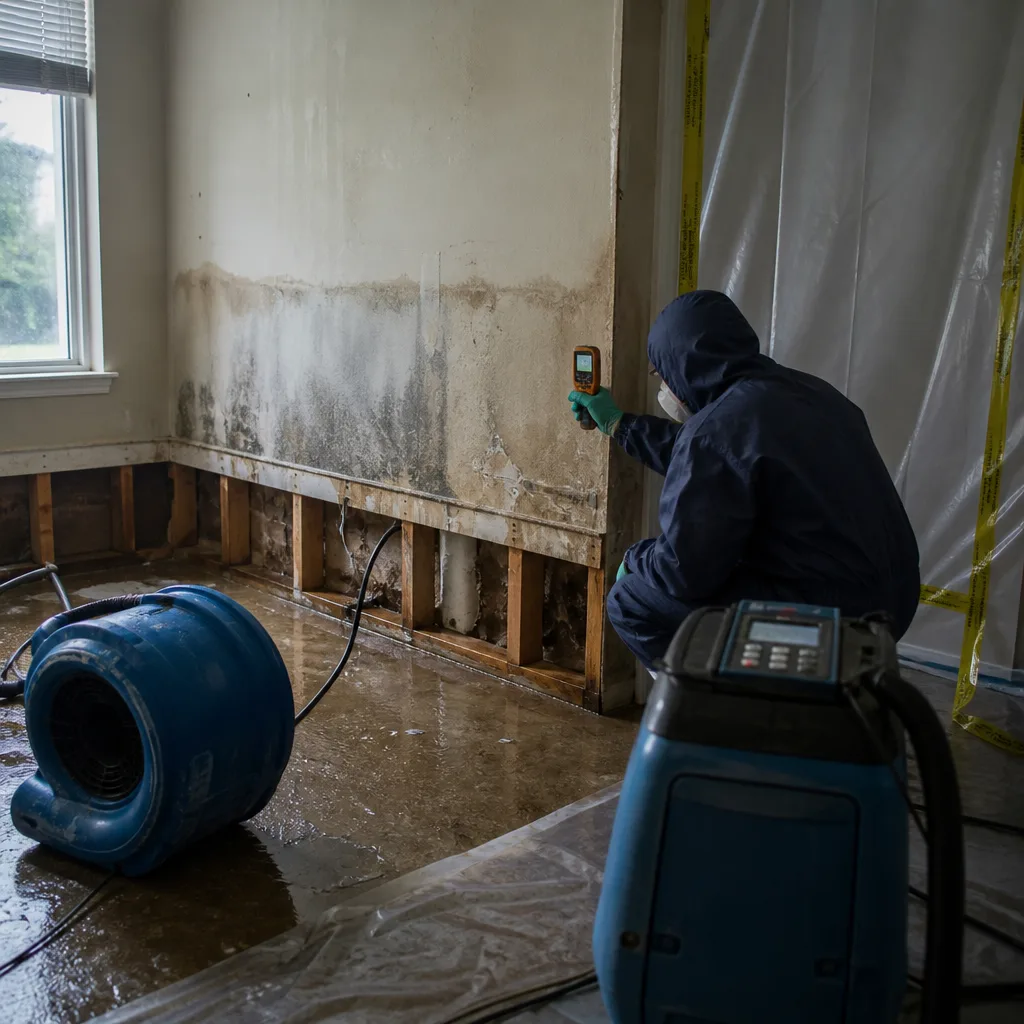 Before
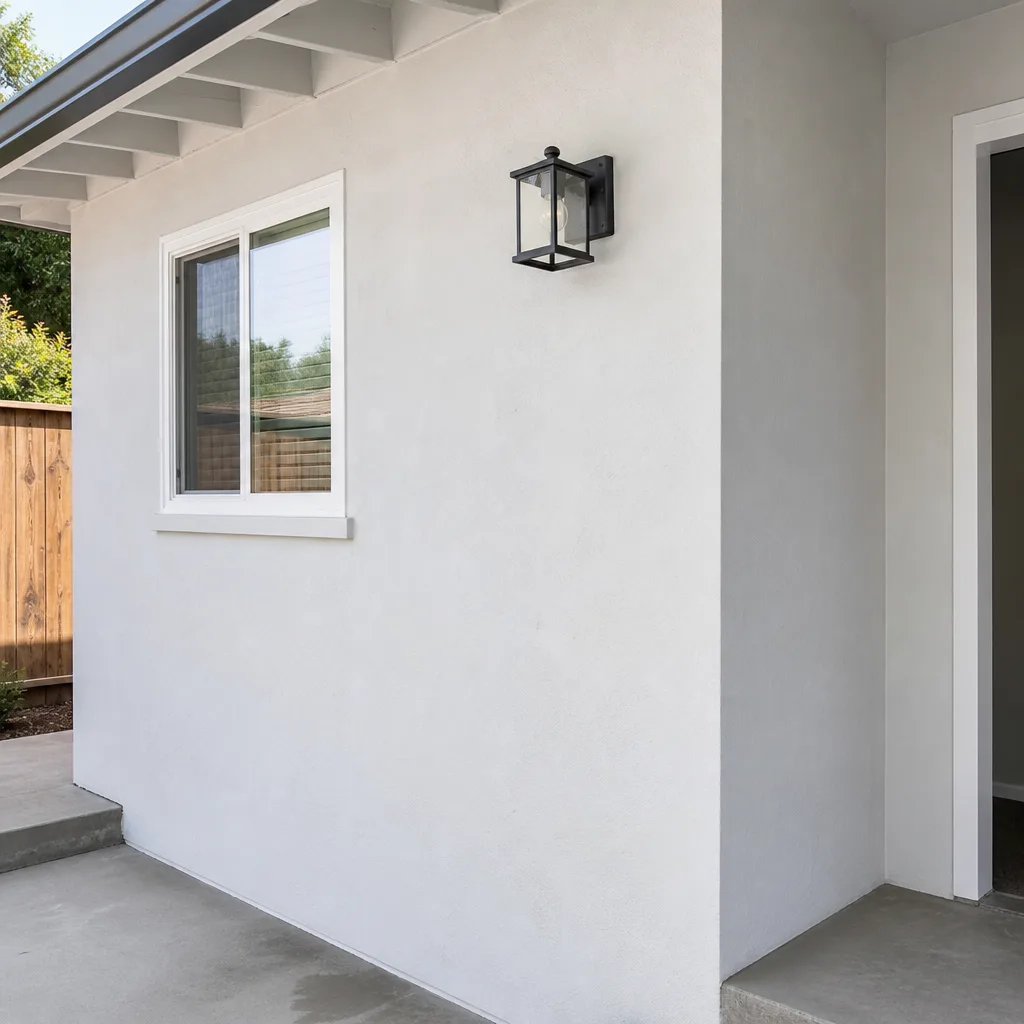 After
Common Water Damage Restoration Problems We See in Glen Avon Homes
- Ash and soot contamination during Santa Ana wind events. After the winds blow through the Jurupa Hills and Pedley foothills, we find ash packed into attic vents and pulled through HVAC returns. That contamination changes a category 1 water loss into a category 2 or 3 scope, and it has to be addressed before drying can proceed cleanly.
- Hidden slab moisture under original 1950s-1990s flooring. Slab-on-grade construction hides water migration until floors warp or baseboards swell. By the time you see it, the wet zone is twice as large as the visible stain, and drying without demolition becomes the only way to avoid a full floor replacement.
- Septic and well-system backups contaminating interior water. Glen Avon’s rural parcels on septic and well systems fail in ways city-sewer homes don’t. The water that comes up through a floor drain or toilet flange is category 3, and we treat it as such with full containment, antimicrobial application, and documented drying logs.
- Undersized drying equipment from generalist contractors. We regularly take over Glen Avon jobs where a previous contractor put two air movers in a 1,800-square-foot home and called it a day. That lets moisture migrate into adjoining rooms and turns a small water loss into a full-scale mold problem inside a week.
Pricing for Water Damage Restoration in Glen Avon, CA
Water damage restoration in Glen Avon runs on a surprisingly consistent range once you factor in the local housing stock. Emergency water extraction for a single-room supply line failure typically lands between $1,200 and $2,800. A full structural drying scope with Injectidry panels, containment, and multiple Dri-Eaz LGR dehumidifiers ranges from $3,000 to $6,500. If Santa Ana wind-driven ash contamination is involved and we’re treating HVAC returns and attic vents alongside the water damage, add $800 to $2,000 for smoke and soot remediation. Septic backup remediation on the rural parcels off Jurupa Road runs $4,000 to $8,000 because of the category 3 contamination and disposal requirements. Call (888) 508-8745 for a written scope of work before any equipment gets staged. The estimate is free.
We Also Serve Cities Near Glen Avon
Our crews are based close enough to reach Glen Avon fast, and we work the same schedule across Pedley, Sunnyslope, Rubidoux, and Riverside. If you’re managing a property in a neighboring city, the same standards apply. You can read more about how we approach Water Damage Restoration across the region, or see what specifically applies to Water Damage Restoration in Glen Avon on our city page.
Serving Glen Avon, CA — Our Local Coverage Area
We’re based in the Glen Avon area and know this community well. Use the map below to see our service coverage — if you’re nearby, we can almost certainly help.
FAQs About Water Damage Restoration in Glen Avon
If your attic vents or HVAC returns show any gray or black particulate after a Santa Ana wind event, assume that soot and ash are circulating through the system, and tell your restoration team before they stage drying equipment. In older Glen Avon ranch homes along the Pedley-area tracts, we regularly find ash pulled into return ducts and then deposited on wet drywall and carpet, which changes the water category and requires antimicrobial treatment before structural drying can proceed. A quick check at the start costs nothing and prevents a contaminated dry-out. Call (888) 508-8745 and mention the wind event when you speak with dispatch.
Because the unincorporated 92509 area includes scattered rural parcels on septic and well systems, not just city sewer, and those systems fail in ways that produce category 3 water intrusions into the home. A septic backup pushing water up through a floor drain or toilet flange is grossly contaminated, and it requires full containment, antimicrobial application, and documented drying logs that a standard water mitigation scope doesn’t include. If your Glen Avon property is on a septic system, tell us when you call so we roll a truck set up for category 3 work from the start.
Mold begins to colonize wet building materials within 24 to 48 hours, even in Glen Avon’s dry Riverside County air, because the interior of a water-damaged wall cavity creates its own microclimate. The visible surfaces may feel dry to the touch while the back side of the drywall and the bottom plates stay saturated, especially in 1950s-to-1990s slab-on-grade homes with original stucco that traps moisture. We don’t wait for visible mold: our moisture mapping identifies those hidden wet zones within hours of arrival, and our drying equipment goes in before the 48-hour window closes.
Yes, and this is the leading cause of under-scoped restoration work in Glen Avon. Water from a failed supply line traveling under the slab wicks up into wall cavities and soaks the back side of drywall and bottom plates where no one can see it. Original 1950s-to-1990s stucco acts as a vapor barrier on the exterior, trapping that moisture inside. We use thermal imaging and penetrating moisture meters to map the full wet zone before any drying starts, and our Injectidry system dries those cavities without opening the walls. If your floors feel warped or you smell something musty, call (888) 508-8745 for a free assessment.
A combined water and smoke mitigation scope for a Glen Avon home includes source control, category determination, containment, extraction, moisture mapping, antimicrobial application, and structural drying with Dri-Eaz and Phoenix equipment, plus HVAC return and attic vent cleaning where Santa Ana winds introduced ash. We set containment before any demolition or drying begins, document every moisture reading in a daily drying log, and provide photo evidence for your insurance adjuster. The scope is delivered in writing before work starts, so you and your carrier know exactly what’s being done and why. Call (888) 508-8745 for a written estimate, and we’ll walk you through the entire process before a single piece of equipment comes off the truck.
Written by Noel Carrasco, Owner at Clean Slate Water Damage, serving Glen Avon and surrounding Riverside County communities.