
Last updated October 31, 2026
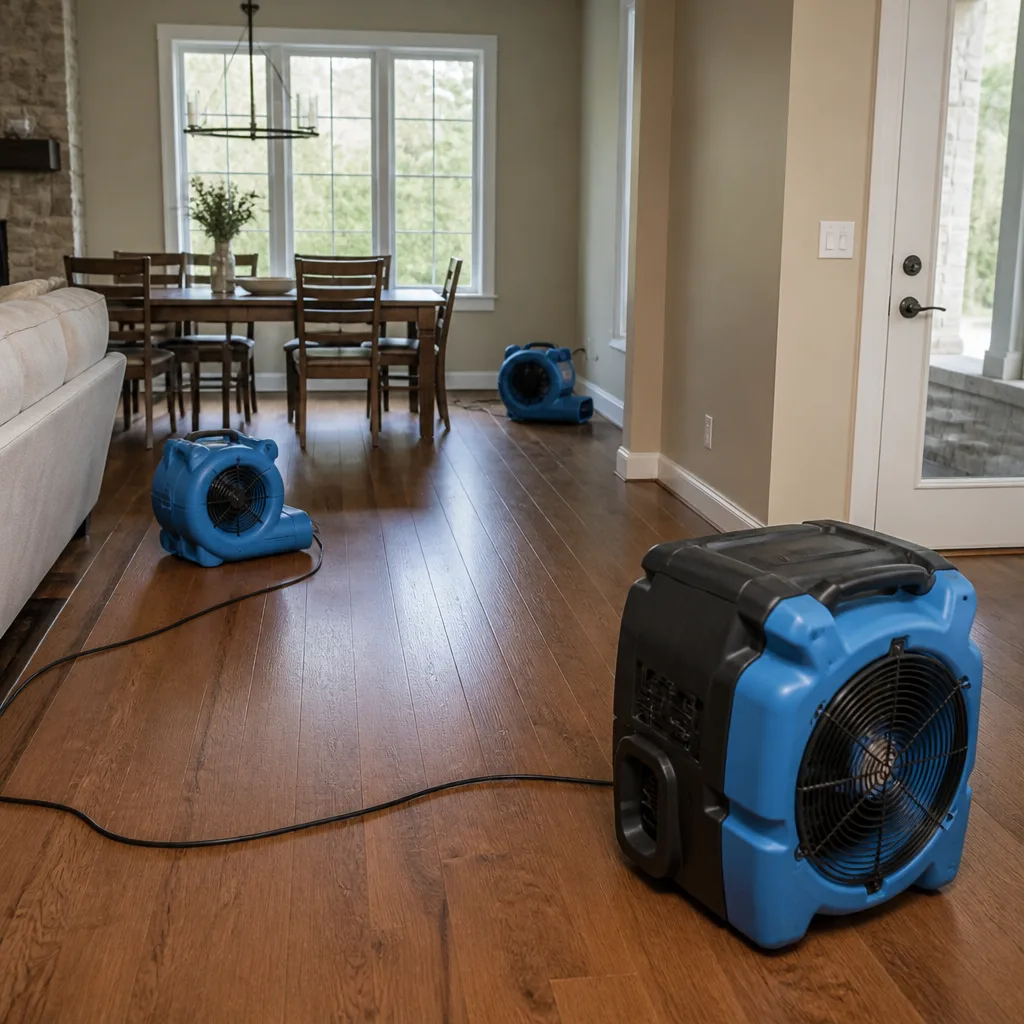 Water damage drying
 Fire & smoke cleanup
 Mold remediation
 Storm response
 Sewage cleanup
 Reconstruction
Free visual inspection and a written scope of work before any mitigation begins - photos, moisture readings, and drying logs go in your claim file
The scope we write is the scope we bill. Anything new gets shown to you, in writing, before we touch it.
Get your free estimateDamage Restoration Emergency Preparedness Guide for Pomona Homes
Here’s a number that should reshape how you think about home emergencies: mold becomes probable within 24 to 48 hours of a water event. That means the first hour after a pipe bursts or a water heater fails often determines whether you’re facing a $3,000 drying job or a $15,000 mold remediation project. In Pomona, where summer heat accelerates microbial growth and aging housing stock means older plumbing systems, that clock runs even faster. This guide walks through the first 60 minutes after water, fire, or mold discovery in a Pomona home, including the decision points where hesitation costs real money. For related reading, see our Damage Restoration Warning Signs: A Pomona Homeowner’s Reference Guide.
Restoration work we handle
Quick Answer
Water damage emergency preparedness in Pomona means having a written 60-minute response protocol: know where your main water shutoff is, document everything with photos before touching anything, call a licensed restoration contractor before calling your insurer, and never attempt DIY structural drying. Homes in Pomona built before 1980 often have shutoffs in locations that differ from modern construction, and gas shutoffs near water heaters require a specific sequence. The goal is to stop the source, start documentation, and get professional-grade drying equipment running before mold’s 24-to-48-hour window closes.
Table of Contents
- The 60-Minute Response Protocol
- Pomona Water Shutoff Locations by Home Era
- Pre-Loss Documentation: What to Photograph Before Anything Happens
- Evaluating Severity in Real Time: Call Now or Wait Until Morning?
- Insurance Notification Protocol: The Order of Calls That Protects Your Claim
- Fire and Mold: Different First Hours, Different Protocols
- Building a Pomona-Specific Emergency Contact List
- Common Mistakes to Avoid
- When to Call a Professional
- Frequently Asked Questions
- The Bottom Line
The 60-Minute Response Protocol
Every minute after water intrusion matters, but the first 60 are when your decisions have the highest leverage. We’ve walked into Pomona homes where a homeowner spent 45 minutes mopping a bathroom floor while water traveled through the subfloor into the adjacent bedroom’s wall cavity. By the time they called us, the damage had spread from one room to three. Here’s the sequence that prevents that outcome. Print it. Post it near your water heater or inside a kitchen cabinet.
- Minute 0-5: Stop the source. If it’s a plumbing failure, turn the nearest fixture valve clockwise until it stops. If that valve fails or you can’t identify it, go to the main shutoff. If the water is coming from an appliance, unplug that appliance only if you can do so without stepping in water.
- Minute 5-10: Kill electricity to affected areas if water is near outlets, switches, or appliances. Flip the breaker for that room only if your panel is dry and accessible. Do not enter standing water if electrical components may be submerged.
- Minute 10-25: Photograph everything. Wide shots of each affected room. Close-ups of standing water, water stains, buckling floors, wet drywall. Open cabinet doors and photograph inside sink bases. These photos are your insurance file, and they establish the pre-mitigation condition.
- Minute 25-35: Call a restoration contractor with commercial drying equipment. Not a general handyman. Not your brother-in-law with a shop vac. The difference between rental-grade fans and professional systems like Dri-Eaz or Phoenix LGR dehumidifiers is measurable in drying time and long-term mold risk.
- Minute 35-50: Move undamaged items out of the affected area. Furniture, rugs, electronics, documents. Place aluminum foil under furniture legs that can’t be moved to prevent stain transfer.
- Minute 50-60: Call your insurance company. Not before. The restoration contractor’s initial assessment and your photo documentation will make your claim stronger from the first call.
One more thing about that first hour: don’t open walls to “let things dry.” Cutting into drywall without understanding where the moisture boundary is often spreads contamination and complicates the restoration. The Injectidry system used by Water Damage Restoration in Pomona professionals forces dry air directly into wall cavities without demolition, which means the structure dries in place. That’s a technique most general contractors don’t have access to, and it’s why the contractor you call in minute 25 matters so much.
Pomona Water Shutoff Locations by Home Era
Pomona’s housing stock spans more than a century, from early 20th-century bungalows in Lincoln Park and Wilshire Heights to post-war tract homes in Westmont and Phillips Ranch, to newer construction in the northern hills. Shutoff locations vary by era, and knowing where yours is before an emergency saves the 20 minutes of panic-searching that lets water keep flowing.
Homes built before 1950: Many Pomona homes from this era have their main shutoff at the street, often under a concrete or cast-iron lid near the property line. The valve may require a special key rather than a standard wrench. Some also have secondary shutoffs under the house in a crawlspace, typically where the main line enters the foundation. If you own a pre-1950 Pomona home, locate this valve today and store a shutoff key somewhere dry and accessible.
Homes built 1950-1980: The post-war tract housing across much of Pomona typically places the main shutoff at the exterior hose bib on the side of the house facing the street. It’s the valve at the lowest point of the house, often near the front corner. Inside, look for a gate valve where the main line enters through the slab, usually in a utility closet or garage wall.
Homes built after 1980: Newer Pomona construction generally has a ball valve (quarter-turn, red or blue handle) in the garage or an exterior utility box. It turns 90 degrees to close. If you see a lever rather than a circular handle, you’ve found a ball valve. That’s the fastest shutoff type.
Every Pomona resident should also know the city’s emergency water line: Pomona Public Works can be reached for water main breaks and city-side shutoff issues. If you suspect the break is between the meter and your house, that’s your responsibility; if it’s before the meter, that’s the city’s. When in doubt, call both. And one more local note: Pomona’s summer temperatures routinely exceed 95°F, which means water in wall cavities and under slab floors doesn’t evaporate passively in a useful timeframe. It feeds microbial growth. Shut the water off fast, every time.
Pre-Loss Documentation: What to Photograph Before Anything Happens
The single most underrated insurance asset is a pre-loss photo inventory. We’ve seen claims in Pomona delayed or reduced because a homeowner couldn’t prove the condition of a room before water hit it. Here’s what to document now, before any event, and where to store it.
Create a walkthrough video of your entire home, room by room. Narrate as you go: note the flooring material in each room (“original oak, refinished 2019”), the condition of walls, any existing cracks or stains, the age and condition of visible plumbing under sinks and behind toilets. Open closet doors. Film the attic access if you have one. This video establishes a baseline that adjusters can compare against post-loss photos.
Then photograph these specifically:
- Water heater: make, model, serial number, and the area around it. Water heater failures are among the most common residential water losses in Pomona, and photos establish the pre-failure condition.
- Under-sink cabinets: all of them. These are high-frequency leak points, and pre-loss photos prove whether that discoloration existed before the event.
- Washing machine hoses: if they’re rubber, replace them with braided stainless steel. Rubber hoses are a leading cause of sudden flooding, and the upgrade costs about $40.
- Electrical panel: one wide shot of the open panel showing the breaker layout. In an emergency, you need to know which breaker controls which room, and a photo helps you communicate with a contractor over the phone.
- Roof and gutters: exterior shots of visible rooflines and downspout locations. Pomona’s occasional heavy winter storms send water through any weak point, and pre-storm documentation matters.
Store all of this in at least two places: a cloud service and an external drive kept in a fire-safe location or off-site. If your phone is your only copy and the phone is damaged in the same event, the documentation fails its purpose. And if you ever need to file a claim, this pre-loss inventory is the difference between “restore to pre-loss condition” and “restore to what we can verify.” That’s a meaningful dollar difference.
Evaluating Severity in Real Time: Call Now or Wait Until Morning?
Not every water event is an emergency. A small leak under a sink that you catch within minutes and dry with towels might be fine to handle with a fan overnight. But the decision to wait has real consequences, and in Pomona’s warm climate, the threshold for “waiting” is lower than in cooler regions. See DIY vs Professional Damage Restoration: The Pomona Homeowner’s Decision Guide for help evaluating what you’re looking at.
Call immediately if:
- Water has contacted drywall and the drywall is visibly swollen, discolored, or soft. Drywall wicks moisture upward and outward faster than most homeowners expect.
- Water has reached flooring joints or edges. Hardwood and laminate absorb water at the seams first, and once subfloor saturation begins, DIY drying won’t reach it.
- The water source is a sewage line, toilet overflow, or any gray or black water. This is a contamination issue, not just a drying issue, and it requires professional disinfection.
- You can smell a musty odor within hours. That’s microbial activity starting, and it means the 24-to-48-hour mold window is closing fast.
- The event involved a running appliance that released water over an extended period while you were away. Slow leaks over many hours saturate framing, not just surfaces.
You can likely wait until morning if:
- The water is clean (supply line, not drain line) and the affected area is tile or concrete with no drywall contact.
- You caught the event within minutes and the water volume is small (under a gallon).
- There are no electrical fixtures in the affected area and no flooring seams exposed.
- You can set up a fan and a dehumidifier immediately and monitor the area every few hours.
One way to think about it: if you would describe the event to a friend as “water got everywhere,” you need professional equipment. Residential fans dry surfaces. Professional systems like XPOWER air movers and B-Air dehumidifiers dry structures. The surface might feel dry to your hand within a day while the wall cavity behind it is still saturated. In Pomona’s heat, that hidden moisture is exactly where mold establishes itself. If you’re on the fence, call and ask. A five-minute phone call costs nothing.
Insurance Notification Protocol: The Order of Calls That Protects Your Claim
Here’s the sequence mistake that creates coverage disputes: calling your insurance company before you’ve documented the damage and before a contractor has assessed the scope. For details on permits and legal requirements, read Damage Restoration Permits, Codes & Inspections in CA: What You Need to Know. When you call your insurer first, you’re describing an event you may not fully understand. That initial description becomes part of the claim record, and if it understates the scope, the adjuster’s expectation is set low from the start.
The correct order is:
- Stop the source. This is mitigation of further damage, and every insurance policy requires it. Document what you did and when.
- Photograph and video everything. Before any cleanup, before any movement of furniture, before any drying attempt. These photos establish the actual loss condition.
- Call the restoration contractor. A qualified contractor can identify hidden moisture, assess the true scope, and start mitigation that prevents secondary damage. Your policy likely requires reasonable steps to prevent further damage, and professional mitigation is the strongest evidence of compliance.
- Call your insurer. Now you can describe the event accurately, cite that mitigation is already underway, and reference documentation. The claim starts from a position of clarity, not guesswork.
- Coordinate rather than delegate. Many Pomona homeowners assume the insurer’s preferred contractor is the only option. In California, you generally have the right to choose your own restoration contractor. The insurer’s list is a convenience, not a mandate. Check your policy language if there’s any pushback.
Photo documentation matters throughout, not just at the start. When a Clean Slate Water Damage home restoration team documents every stage of the process, the claim file includes evidence of professional drying, moisture measurements, and final clearance. That’s harder to dispute than a homeowner’s verbal account. We also coordinate directly with adjusters, which removes the most stressful part of the process from your plate.
Fire and Mold: Different First Hours, Different Protocols
Water is the most common emergency, but Pomona homes face fire and mold events too. The first-hour protocol for each is distinct, and mixing them up creates problems.
Fire Damage: The First Hour
After a fire, the structural danger doesn’t end when the flames are out. Soot and smoke residue continue to damage surfaces, and acidic soot begins etching glass, metal, and finished surfaces within hours. The first-hour priorities are safety and containment. Do not re-enter the structure until the fire department has cleared it. Once cleared, limit movement inside: every footstep drives soot deeper into carpet and textiles. Turn off HVAC systems to prevent smoke distribution through the ductwork. Photograph everything from the doorway before touching anything. Then call a Fire Damage Restoration in Pomona contractor who handles both soot mitigation and structural assessment. Fire restoration is not repainting and deodorizing; it’s material-specific cleaning, structural evaluation, and often reconstruction planning.
Mold: The Discovery Hour
Mold discovery follows different rules. The first-hour priority is containment, not cleaning. If you see mold growth larger than about 10 square feet, or if it’s inside wall cavities or HVAC ducts, do not attempt DIY removal. Disturbing mold releases spores into the air and spreads the problem to rooms that weren’t affected. Close doors to the affected area. Turn off fans and HVAC to prevent spore distribution. Photograph the visible growth. Then call a Mold Remediation in Pomona contractor who follows IICRC-aligned containment protocols. Proper remediation involves negative air containment, HEPA filtration, and clearance testing, not bleach and a scrub brush. Bleach on porous surfaces like drywall kills surface mold but leaves roots alive and adds moisture, which often makes the problem worse.
Building a Pomona-Specific Emergency Contact List
A preparedness guide fails if it’s not actionable. Create a single-page contact list, print it, laminate it if you can, and post it somewhere visible. The list should include:
- Your main water shutoff location (write the exact spot: “garage, rear wall, red lever”)
- Pomona Public Works emergency line for water main breaks
- Your gas company’s emergency line for suspected gas leaks (call before touching anything electrical, including light switches)
- Your restoration contractor’s number (save it now: (888) 508-8745)
- Your insurance company’s claims line and your policy number
- An electrician’s number for electrical panel issues
- A neighbor’s number who can access your home if you’re away
For Pomona specifically, note that the city’s summer heat means a water event that happens at 9 a.m. is structurally different by 3 p.m. A wall cavity at 95°F ambient temperature is an incubator, not a passive drying environment. That’s why the contact list matters: the faster you reach a contractor with professional drying equipment, the faster real dehumidification begins. Every hour of delay in Pomona’s warm months is an hour of ideal mold conditions.
We also recommend taking one afternoon to walk your house and label every shutoff valve with a durable tag. “Main water,” “water heater supply,” “washing machine cold,” “washing machine hot.” When you’re standing in water at 2 a.m., labels eliminate guesswork. This is the kind of preparedness that feels excessive until the moment you need it, and then it feels like the smartest 20 minutes you ever spent.
Common Mistakes to Avoid
- Calling insurance before the restoration contractor. The initial claim description shapes the adjuster’s expectations. Document first, mitigate second, call insurer third.
- Using bleach on mold. Bleach is ineffective on porous materials and adds moisture that feeds the regrowth cycle. Professional mold remediation uses containment and HEPA air scrubbing, not household chemicals.
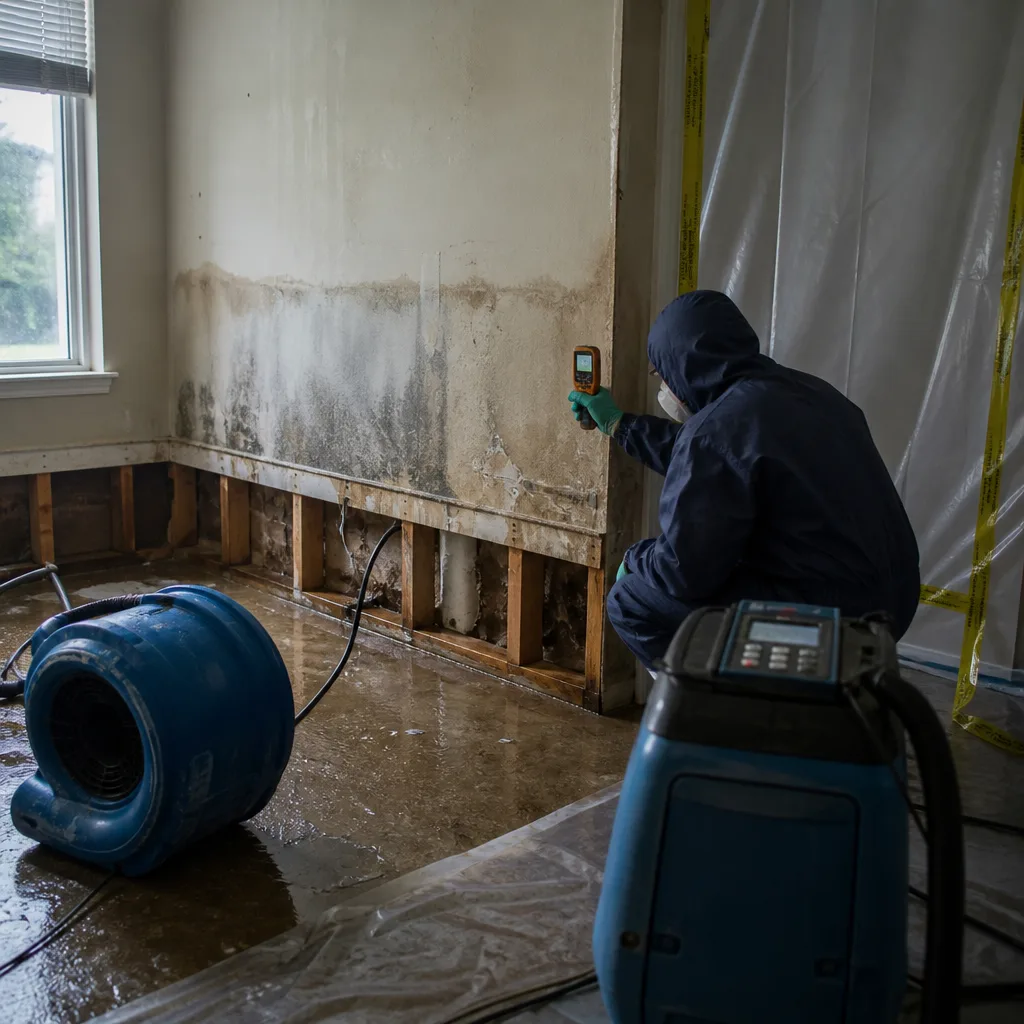
- Believing surfaces are dry when they feel dry to the touch. Drywall, subflooring, and framing can hold moisture for weeks behind a dry surface. Professional moisture meters read what your hand can’t.
- Using residential fans and hoping for the best. Without dehumidification, fans just circulate humid air. Real drying requires air movement plus moisture removal, which is what commercial systems like Dri-Eaz and Phoenix are designed to do.
- Waiting “to see how bad it gets” before calling. In Pomona’s warm climate, the mold window closes fast. A small event today is a remediation project in 48 hours.
- Not knowing where the main shutoff is until you need it. Panic-searching wastes the exact minutes that matter most. Find it today.
- Cutting into walls to “let them dry out.” This often spreads contamination and creates a larger rebuild than necessary. Non-invasive drying through Injectidry technology dries cavities without demolition.
When to Call a Professional
Call immediately if water has contacted drywall, flooring seams, or electrical fixtures. Call immediately if the source is sewage or contaminated. Call immediately if you see mold larger than a dinner plate or smell must near a water source. Call after any fire, regardless of how small it looks. Call if you’re unsure whether your drying efforts are working. Clean Slate Water Damage offers free estimates in Pomona, and we’d rather take your call at hour one than your remediation call at hour 48. Reach us at (888) 508-8745.
Frequently Asked Questions
Mold can begin growing within 24 to 48 hours of a water event, and Pomona’s warm temperatures accelerate that timeline, especially in summer when indoor temperatures stay above 80°F. That’s why the first-hour response matters: fast water extraction and professional drying prevent the moisture conditions mold needs.
Most homeowner policies cover sudden and accidental water damage, such as a burst pipe or appliance failure, but typically exclude damage from long-term leaks or lack of maintenance. Document everything, mitigate further damage, and call your insurer after a contractor has assessed the scope. Call (888) 508-8745 for a free estimate and help coordinating with your adjuster.
Contain the area by closing doors and turning off HVAC systems, photograph the visible growth, and call a professional mold remediation contractor. Do not disturb the mold, and do not use bleach on porous surfaces. Professional containment prevents spore spread to unaffected rooms.
In the Pomona area, same-day dispatch is standard for water emergencies. The phone call takes five minutes, and the sooner equipment is running, the lower the total restoration cost. Call (888) 508-8745 and we’ll assess the situation immediately.
If water touched drywall, subflooring, or framing, surface cleaning won’t reach the moisture inside the structure. Hidden moisture becomes hidden mold. A professional moisture assessment determines whether structural drying is needed or whether surface drying is sufficient. Free estimates make this an easy call to make.
Your restoration contractor should coordinate directly with your adjuster, providing moisture readings, photo documentation, and scope-of-work details that support your claim. This removes the most stressful part of the process from your plate and ensures the claim reflects the true damage extent.
The Bottom Line
Emergency preparedness for Pomona homes is not a document you file and forget. It’s a decision tree you can execute in the first 60 minutes after damage occurs. Know your shutoff locations. Document your home now, before anything happens. Understand which problems need immediate professional response and which can wait until morning. Call a restoration contractor before your insurer, not after. And keep the number (888) 508-8745 somewhere you can find it at 2 a.m. In Pomona’s warm climate, the window between a water event and a mold problem is shorter than in most of the country. Preparedness is what keeps a $3,000 drying job from becoming a $15,000 remediation project. Explore more guides & resources on protecting your Pomona home.
Written by the team at Clean Slate Water Damage, serving Pomona since 2018.
See the difference
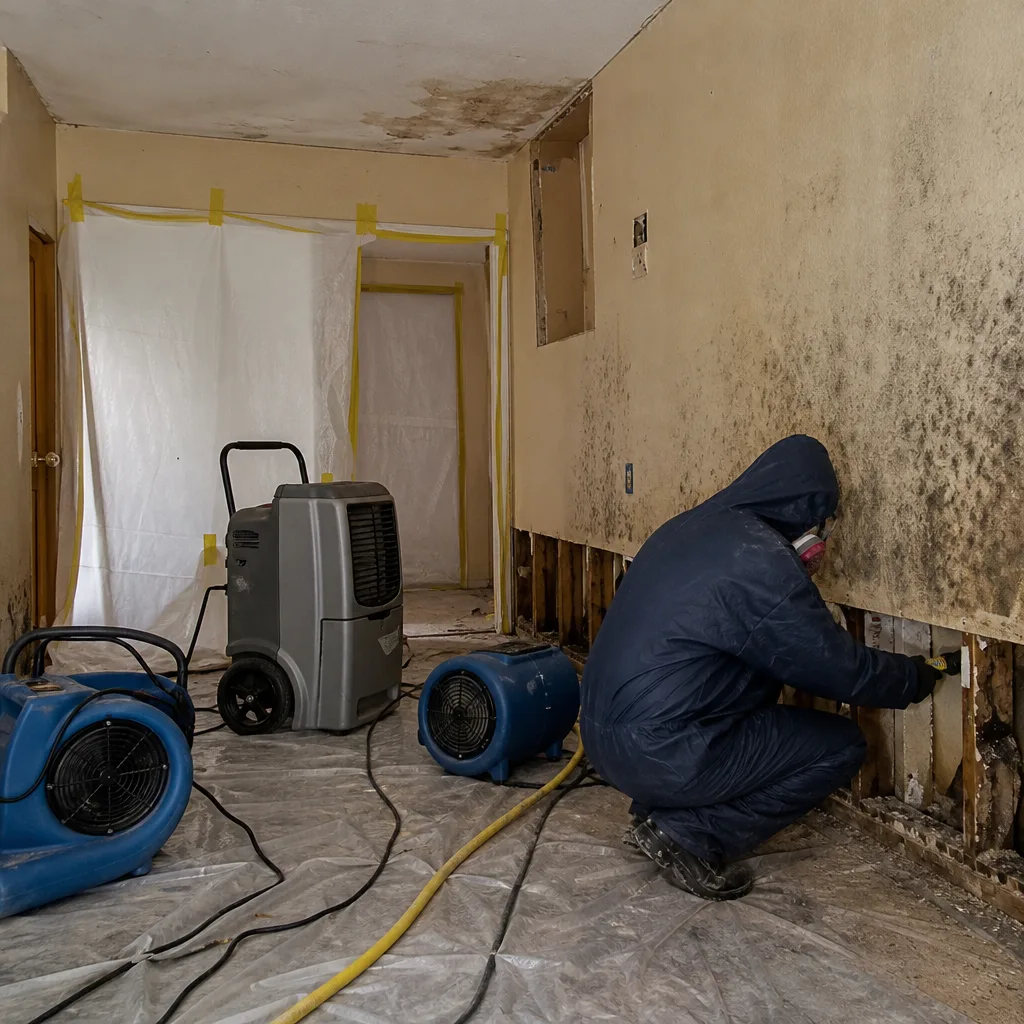 Before
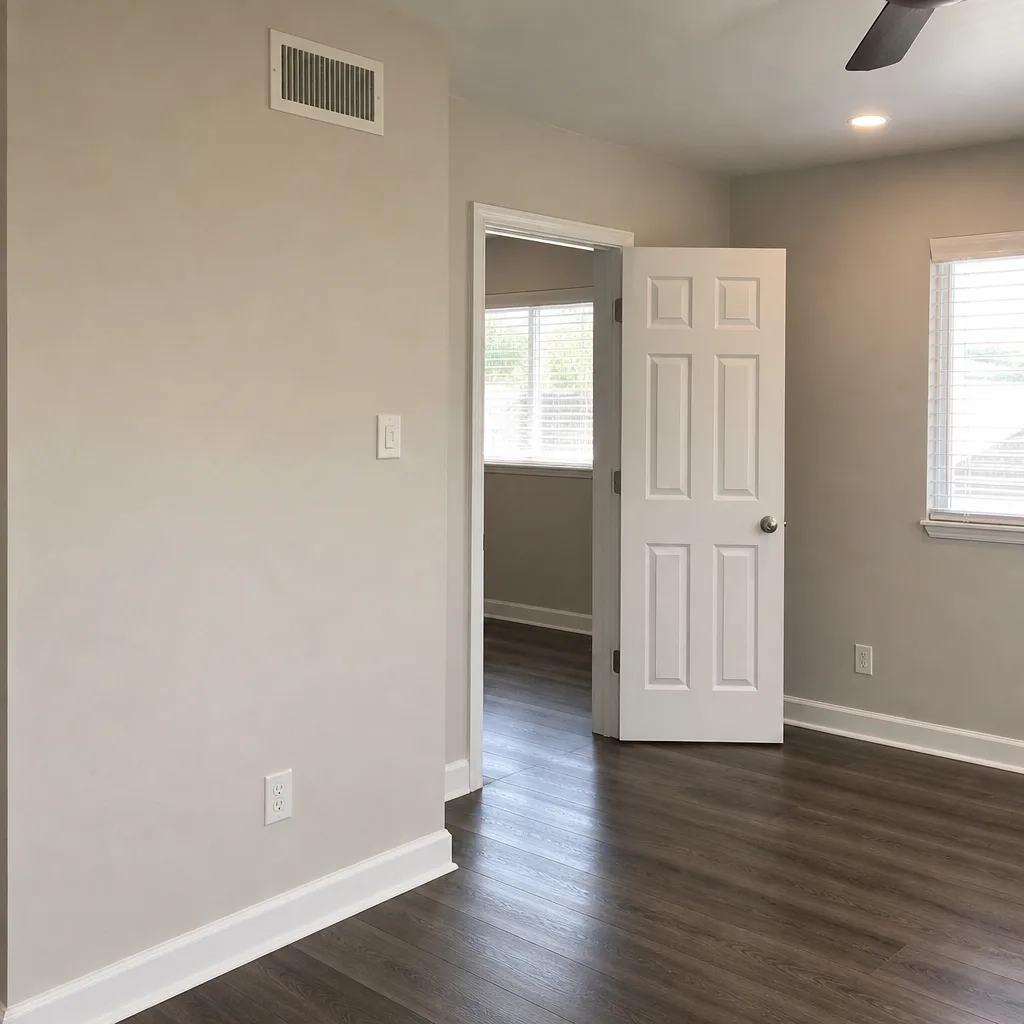 After
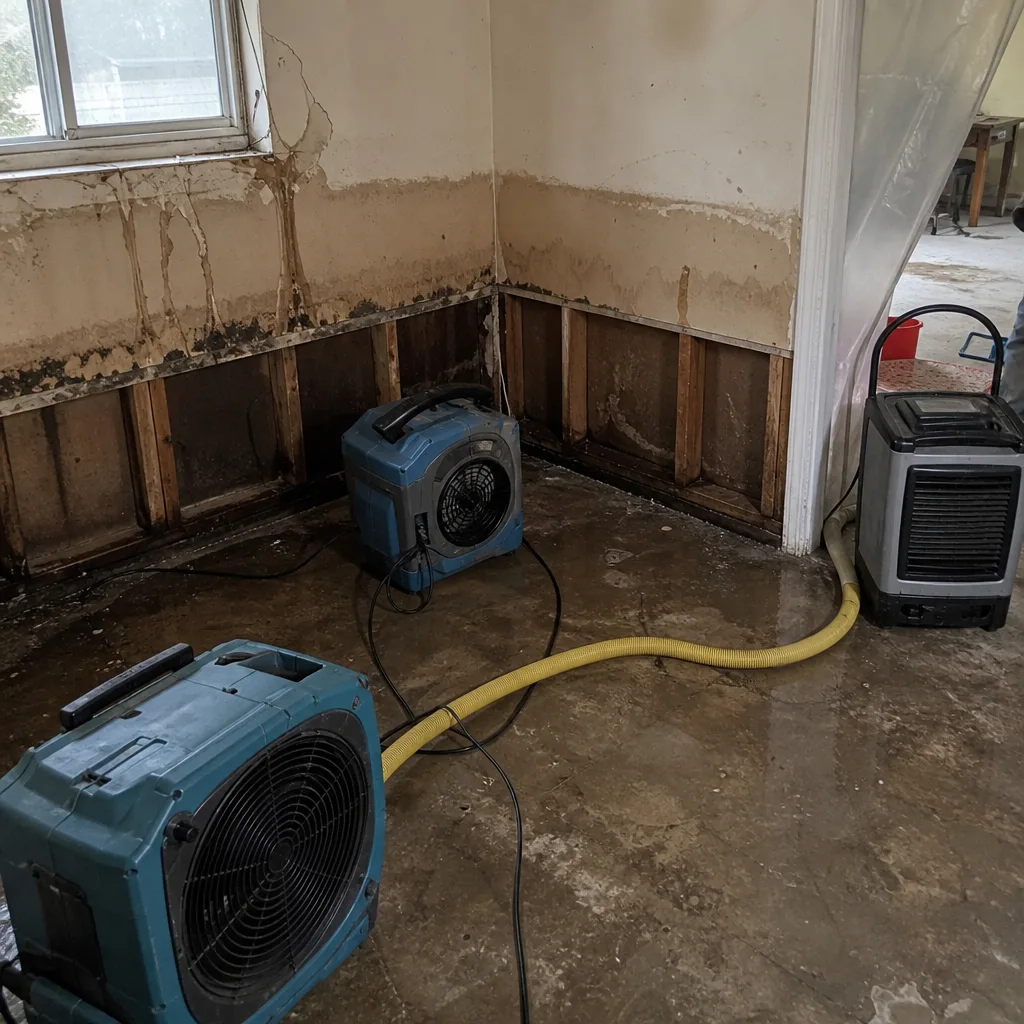 Before
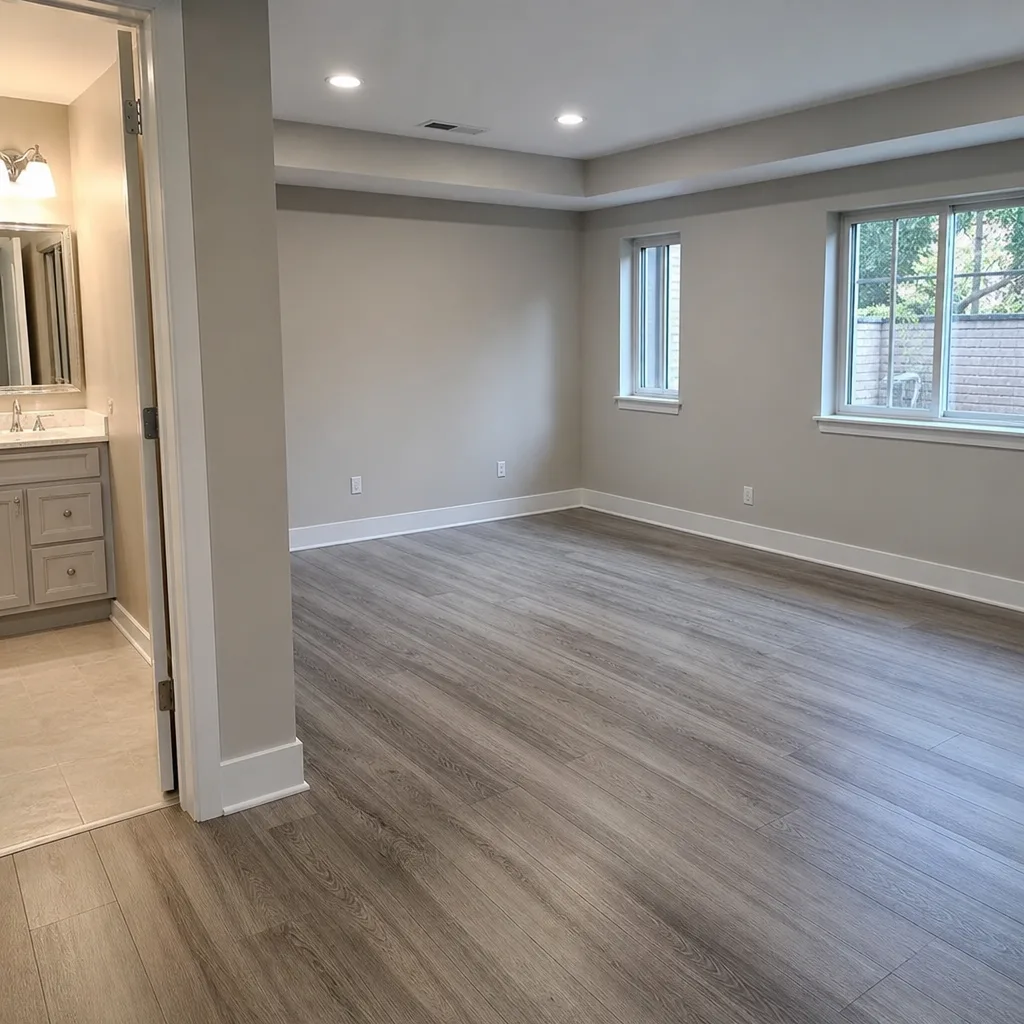 After
 Before
 After