
Last updated October 31, 2026
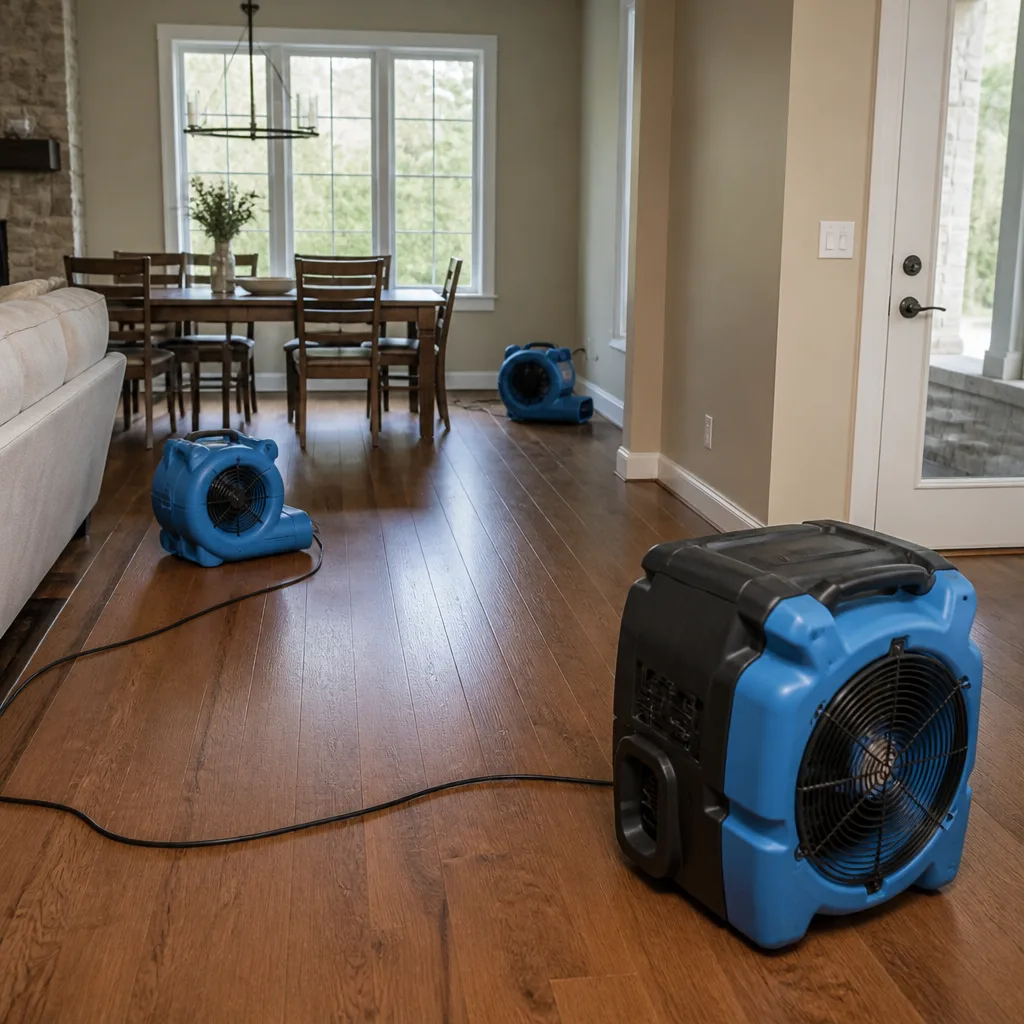 Water damage drying
 Fire & smoke cleanup
 Mold remediation
 Storm response
 Sewage cleanup
 Reconstruction
Free visual inspection and a written scope of work before any mitigation begins - photos, moisture readings, and drying logs go in your claim file
The scope we write is the scope we bill. Anything new gets shown to you, in writing, before we touch it.
Get your free estimateDamage Restoration Permits, Codes & Inspections in CA: What You Need to Know
Unpermitted restoration work is the quiet time bomb in California real estate: it doesn’t surface until a home sale, a refinance, or a second insurance claim, at which point the cost falls entirely on the homeowner. In Pomona, where housing stock spans mid-century ranch homes, 1920s bungalows, and newer hillside construction, the permit question gets even more complicated because different eras of building predate different code cycles. This guide walks through exactly when California code triggers a permit for water, mold, and fire restoration work, how Pomona’s Building and Safety Division handles emergency repairs, and why a contractor who says “restoration never needs permits” is giving you advice that will cost you later. For related reading, see our Damage Restoration Warning Signs: A Pomona Homeowner’s Reference Guide. By the end, you’ll know what to ask before signing any contract, which documents to keep, and how to verify a permit was actually pulled.
Restoration work we handle
Quick Answer
Water, mold, and fire damage restoration in California requires a permit whenever the work touches structural framing, electrical systems, plumbing, or load-bearing walls, and it requires a separate clearance process when mold remediation disturbs more than 10 square feet of contaminated material. Emergency stabilization like water extraction and drying does not typically require a permit, but the reconstruction that follows almost always does. In Pomona, unpermitted structural repairs create a documented title defect that lenders and insurers can use to deny future claims or financing.
Table of Contents
- When Does Restoration Work Require a Permit in California?
- Emergency Restoration Permits vs. Standard Renovation Permits in Pomona
- What Mold Remediation Requires Under California Health and Safety Code 17920.3
- The Insurance Documentation Chain: How Permits Protect Future Claims
- How to Verify a Contractor Actually Pulled Permits
- Unpermitted Restoration and California Title Problems
- Common Mistakes to Avoid
- When to Call a Professional
- Frequently Asked Questions
- The Bottom Line
When Does Restoration Work Require a Permit in California?
The California Building Code (CBC), specifically Chapter 1, Section 105, requires a permit for any work that alters the structure, plumbing, electrical, or mechanical systems of a building. That sounds broad, and it is. But it draws a clear line between the two halves of any restoration project: mitigation and reconstruction. Mitigation means stopping the damage from spreading, which is water extraction, drying, antimicrobial treatment, and controlled demolition of unsalvageable material. Reconstruction means putting the building back together, which is framing, drywall, electrical reconnection, flooring, and cabinetry. The first half rarely needs a permit. The second half almost always does.
Here’s where the California code specifically triggers a permit during restoration:
- Structural drying that requires opening wall cavities: Cutting into drywall to expose framing for drying is demolition, and while the demolition itself doesn’t require a permit, any structural member that is cut, notched, or removed does. We use the Injectidry system specifically because it dries wall cavities and subfloors through small, non-structural access points, which in many cases eliminates the need for the kind of demolition that would trigger structural review.
- Electrical exposure from water contact: If water reached outlets, panels, or wiring, the California Electrical Code requires that affected circuits be evaluated and, in most cases, replaced or re-terminated. Any new wiring or panel work requires an electrical permit and inspection.
- Load-bearing wall repair: If fire or water compromised a load-bearing wall, the repair requires engineered drawings and a structural permit. No exceptions. A contractor who tells you otherwise is asking you to carry a liability that should belong to them.
- Plumbing replacement: A burst pipe that’s replaced in-kind, same location, same material, usually falls under a repair and skips the permit. But if the repair moves a drain, adds a fixture, or changes pipe size, it’s new plumbing work and requires a permit.
- HVAC ductwork replacement: Water-damaged or smoke-contaminated ducts that are removed and replaced require a mechanical permit in most jurisdictions, including Pomona.
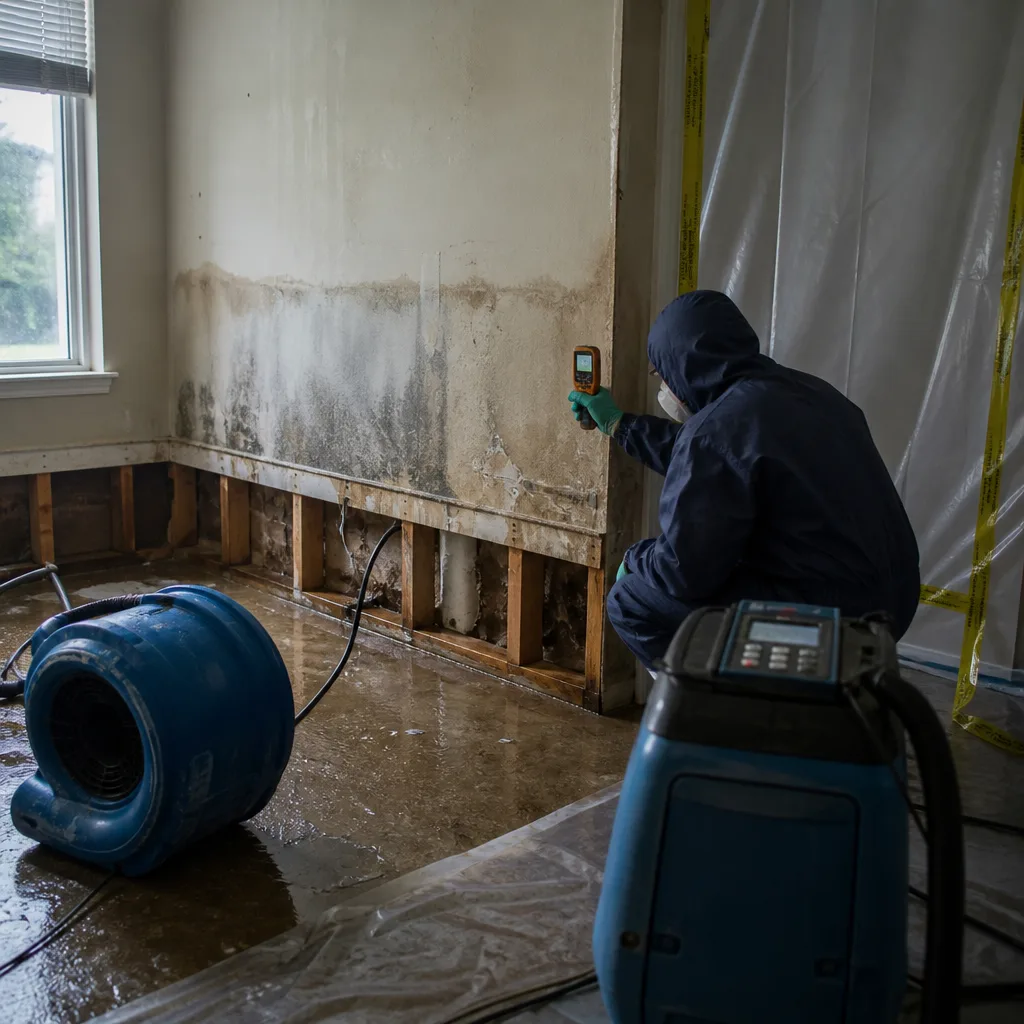
What doesn’t require a permit: water extraction, dehumidification, air scrubbing, antimicrobial application, and most controlled demolition that removes damaged material without cutting structure. A water damage restoration in Pomona project that’s caught early and dried properly may never cross the permit threshold at all. The problem is that by the time most homeowners call, the damage has already saturated framing and flooring, which is exactly when the permit conversation begins.
Emergency Restoration Permits vs. Standard Renovation Permits in Pomona
Pomona’s Building and Safety Division, like most California cities, operates on a two-track permit system that restoration contractors navigate constantly. Emergency permits are designed for exactly what they sound like: conditions that pose an immediate threat to health or safety, such as a partially collapsed ceiling, exposed live wiring, or a sewage backup that requires opening a wall. Standard permits are for planned, scoped work that follows the emergency stabilization.
Here’s the sequence as it typically plays out in Pomona:
- Emergency stabilization happens first. The city expects property owners to protect life and safety immediately. If a water heater floods a basement and the subfloor is buckling, the contractor stabilizes the area, extracts water, and secures the space. No permit is required to stop ongoing damage. A verbal or same-day notice to Building and Safety is sufficient in most cases, though we recommend documenting everything with photos and notes.
- The emergency permit is applied for retroactively. Pomona allows emergency work to begin before the permit is issued when there’s a genuine safety hazard, but the paperwork must follow. The contractor or homeowner files an application describing what was done and what needs inspection. The city then sends an inspector to verify the work meets code.
- The standard permit covers reconstruction. Once the space is dried and stabilized, the rebuild phase requires standard permits for framing, electrical, plumbing, and mechanical work. This is where the written scope of work saves you. A contractor who agrees to a specific, itemized scope in writing before demolition begins is one who understands the permit process and isn’t trying to slip unpermitted work past you.
- Inspections happen at rough-in and final. Pomona inspectors verify framing connections, electrical rough-in, plumbing pressure, and insulation before drywall goes up, then return for a final inspection once finishes are complete. Skipping either inspection leaves an open permit, which is a title defect until closed.
The reality in Pomona is that generalist contractors and handyman operations often tell homeowners to skip permits because they “slow things down.” That’s true, permits do add days to a project. But a project that dries out in a week and rebuilds in two weeks with permits is worth more than a project that finishes in ten days without them. The permitting delay is the cost of living in a house that can be sold, insured, and refinanced without legal gymnastics.
What Mold Remediation Requires Under California Health and Safety Code 17920.3
California Health and Safety Code Section 17920.3 defines what legally constitutes substandard housing, and mold is explicitly named. A dwelling is substandard if it has “visible mold growth, as determined by a health officer or a code enforcement officer” that results from dampness or water intrusion. That definition matters for restoration because it creates a legal threshold: mold that reaches substandard-housing levels must be remediated, and the remediation must address the underlying moisture source, not just the visible growth.
What this means in practice for a Pomona homeowner facing a mold problem:
- The 10-square-foot threshold is not a legal line. You’ll hear contractors say remediation under 10 square feet doesn’t require licensed professionals or permits. That’s an industry guideline, not a statute. The actual California requirement is tied to the substandard housing definition and to the standard of care established by the IICRC S520 standard for professional mold remediation. If visible mold exists, it must be removed and the moisture source corrected, period.
- Containment and air filtration are required for any remediation that disturbs mold. When moldy drywall or flooring is removed, spores are released into the air. IICRC S520 requires containment barriers, negative air pressure, and HEPA air scrubbing during remediation in occupied structures. This is not optional equipment. We run Dri-Eaz HEPA 500 air scrubbers and Phoenix dehumidifiers on every mold project in Pomona because containment failures are the fastest way to spread mold from an isolated closet to an entire HVAC system.
- Post-remediation clearance testing is the standard. A mold remediation isn’t complete until a third-party hygienist or an internal quality-assurance protocol verifies that spore counts have returned to normal background levels. Insurance companies in California increasingly require this clearance before closing a claim. It protects everyone in the chain.
- Landlords have specific obligations. Under California Civil Code Section 1941.7, landlords must disclose known mold to tenants and must remediate it in a timely manner. A landlord who hires an unlicensed, unpermitted “mold guy” in Pomona is exposing themselves to habitability claims that can triple damages.
Mold remediation itself rarely requires a building permit. The permit comes into play when the remediation requires opening walls to access structural framing or when the moisture source requires plumbing or roof repair. A mold remediation in Pomona project that’s properly contained and cleared won’t trigger a building permit, but it absolutely requires adherence to IICRC standards and professional equipment. The code hook is the substandard housing definition, which code enforcement can use to condemn a property if mold is left untreated.
The Insurance Documentation Chain: How Permits Protect Future Claims
California homeowners insurance policies contain a provision that’s often buried in the fine print: the insured must maintain the property in insurable condition, and unpermitted work that contributes to a loss can be grounds for claim denial. What this means in restoration terms is that an unpermitted repair done today becomes the insurer’s excuse tomorrow.
The chain works like this:
- The original loss is documented. Your insurer opens a claim, sends an adjuster, and pays for mitigation and rebuild based on a written scope. If that scope includes work that required permits, the permit record becomes part of the claim file.
- Permits create a paper trail that verifies the repair was done correctly. A closed permit with a passing final inspection is proof that the work met code. That proof is what your insurer relies on when they evaluate future risk on your policy.
- Unpermitted work breaks the chain. If you file a second claim years later, the adjuster will look at the property’s permit history. Unpermitted structural or electrical work discovered during the new claim gives the insurer grounds to deny coverage for the entire loss, not just the unpermitted component.
- Title companies and lenders run the same check. When you sell or refinance, the title company pulls the permit history. An open permit, a permit that was never closed, or work that should have been permitted but wasn’t becomes a title exception. The buyer’s lender can refuse to fund until the issue is resolved.
We tell every homeowner in Pomona the same thing: keep every permit, every inspection card, every clearance letter. Store them with your closing documents. This paper trail isn’t just about compliance. It’s the difference between a house that’s fully insurable and sellable and a house with a hidden defect that surfaces at the worst possible moment. Photo documentation of the restoration process matters too, which is why a restoration contractor who provides written scope, photo records, and permit documentation is protecting you in ways that become apparent years later.
How to Verify a Contractor Actually Pulled Permits
A contractor who claims “restoration doesn’t require permits” is almost certainly wrong, but the more common problem in Pomona is a contractor who says they’ll pull permits and doesn’t. Here’s how to verify, step by step:
- Ask for the permit number before work starts. If the contractor says the permit is “being processed” or “will be pulled next week,” that’s a red flag. The permit application should be filed before demolition begins, not after.
- Verify the permit online. The City of Pomona’s Building and Safety Division maintains a public permit lookup portal. Enter the property address and confirm that a permit matching the contractor’s described scope is active. No permit on file? It wasn’t pulled.
- Check who is listed as the permit holder. The permit should list either the homeowner or the licensed contractor. If the contractor pulled the permit under the homeowner’s name, the liability for any code violations shifts to the homeowner. A licensed contractor should be willing to pull the permit in their own name and be the responsible party of record.
- Request the inspection schedule. No inspector, no permit closure. Ask the contractor to walk you through which inspections are scheduled at which phases. A contractor who chafes at this question is telling you something.
- Get the final inspection sign-off in writing. When the project is done, ask for a copy of the signed final inspection card or its digital equivalent. This is the document that closes the permit and clears the title issue.
One more thing worth noting: in Pomona, any contractor doing restoration work over $500 in combined labor and materials must hold a valid California contractor’s license in the appropriate classification. Restoration work typically falls under the B (General Building) or C-61 (Limited Specialty) classifications. You can verify license status on the Contractors State License Board website in under a minute. It’s the fastest due diligence step you’ll ever take.
Unpermitted Restoration and California Title Problems
The title problem is the part nobody thinks about when the water is still standing in the living room. But it’s the part that costs real money later. In California, a building permit is a public record attached to the property, not the person. When you sell a home, the buyer’s title company pulls the permit history and compares it against the county assessor’s records and the MLS listing. Any discrepancy becomes a title exception.
Three scenarios we see repeatedly in Pomona:
- The open permit. A contractor pulled a permit for structural repair but never scheduled the final inspection. The permit sits open in the city’s system. When you try to sell, the title company flags it, and the buyer’s lender won’t fund until the permit is closed. Closing an old permit often requires opening walls to allow the inspector access, plus penalty fees that accumulate monthly.
- The missing permit. Work was done that clearly required a permit, like a new electrical panel or a rebuilt load-bearing wall, but no permit appears in the city’s records. The buyer’s inspector spots the newer work and asks for the permit. You can’t produce it. Now you’re applying for an “as-built” permit, which means paying for an engineer to certify the work, opening walls for inspection, and possibly bringing old work up to current code.
- The non-conforming repair. The work was permitted and inspected, but it doesn’t match what’s actually on site. Maybe the contractor added a bathroom where the permit showed a closet. Maybe the final inspection was passed without the inspector actually visiting. These discrepancies surface during appraisals and can kill a sale.
In our experience, the homeowners who get burned are the ones who trusted a contractor’s verbal assurance that “this doesn’t need a permit.” The homeowners who come out fine are the ones who demanded paperwork and got it. The difference in cost between a permitted rebuild and an unpermitted rebuild in Pomona is typically a few hundred dollars in permit fees and a week of schedule time. The cost of fixing an unpermitted repair at sale time is usually measured in five figures.
Common Mistakes to Avoid
- Believing “restoration never requires permits.” This is the single most common piece of bad advice in the industry. The mitigation phase usually skips permits, but reconstruction almost always needs them. A contractor who blurs this line is protecting their own schedule, not your property.
- Paying in full before the final inspection. A contractor who’s been paid has no incentive to close the permit. Structure your payments so that final payment is tied to a signed final inspection card. In Pomona, an open permit is a lien on your property.
- Using a handyman for structural work. California law allows handymen to do work up to $500. Structural framing, electrical reconnection, and plumbing replacement all exceed that threshold, and doing them without a license voids your insurance coverage for that work.
- Not documenting the pre-existing condition. Before any restoration work begins, photograph everything: the water line, the mold pattern, the fire damage, the existing cracks in the foundation. These photos are the baseline that protects you if an insurer later claims the damage was pre-existing.
- Skipping the post-remediation clearance test. Mold clearance testing adds a few hundred dollars to a project and takes a day. Skipping it leaves you with a lingering question: is the mold actually gone? When the next buyer’s inspector finds evidence of past mold, you’ll wish you had the clearance letter.
- Not checking the contractor’s IICRC certification. The IICRC is the restoration industry’s standard-setting body. A contractor aligned with IICRC standards is accountable to a published, auditable process. A contractor who isn’t is improvising, and you’re the one who carries the risk.
When to Call a Professional
If water has saturated structural framing, if mold covers more than a few square feet, or if fire has compromised any structural member, this is not a weekend project. A professional restoration contractor will assess the full scope, document the damage, and file permits where the code requires them. They’ll also coordinate directly with your insurance adjuster, providing photo documentation and written scopes that speed the claim. In Pomona, where summer heat accelerates mold growth and winter rains push water through aging foundations, the window between “minor damage” and “substandard housing” is measured in days, not weeks. Clean Slate Water Damage offers free estimates in Pomona, call (888) 508-8745. We walk every project through the permit and documentation process so that when the work is done, it’s done in a way that protects your title, your insurance, and your property’s value.
Frequently Asked Questions
Water extraction, drying, and controlled demolition of damaged drywall or flooring do not require a permit, but any repair that touches structural framing, electrical wiring, plumbing, or HVAC ductwork does. In Pomona, the threshold is crossed when you’re rebuilding what was removed, not when you’re removing what was damaged. Call (888) 508-8745 to have your specific project assessed.
Check Pomona’s online permit portal using your property address. If no permit appears that matches the contractor’s scope of work, it wasn’t pulled. A licensed contractor should also provide you the permit number before work begins and the final inspection sign-off when it’s done.
Mold remediation itself typically does not require a building permit, but it does require adherence to IICRC S520 standards and, if the mold was caused by a plumbing or structural issue, the repair of that underlying issue may. California Health and Safety Code 17920.3 defines mold as substandard housing when it’s visible, which means remediation is a legal obligation, not an option.
No, that’s exactly the coverage gap. Most California policies allow the insurer to deny a claim if unpermitted work contributed to the loss. A permitted rebuild with a closed final inspection protects your ability to file future claims. It’s one of the strongest arguments for doing the permitting correctly the first time.
Emergency stabilization isn’t delayed by permits at all. The permit process affects the rebuild phase, typically adding three to seven business days for plan review and inspections in Pomona. That’s a small price for a closed permit that keeps your title clean.
You have two options: apply for an as-built permit, which requires bringing the work up to current code and paying an inspection fee, or disclose the unpermitted work at sale and accept the price reduction. Neither is cheap. The as-built route is usually better because it clears the title defect. Call (888) 508-8745 for an honest assessment of your situation.
The Bottom Line
California’s permit requirements for damage restoration are not bureaucratic busywork. They exist to verify that structural, electrical, and plumbing repairs are safe, and they create a public record that protects your insurance coverage, your mortgage qualification, and your ability to sell without penalty. In Pomona, where housing stock ranges from century-old bungalows to recent hillside construction, the code requirements vary by building era, but the principle doesn’t: permitted work protects you, unpermitted work exposes you. Work with a restoration contractor who pulls permits, documents the process, and returns your property to pre-loss condition with a clean paper trail. For more guides & resources on protecting your Pomona home, explore our blog. That’s the only kind of restoration that’s actually finished.
Written by the team at Clean Slate Water Damage, serving Pomona since 2018.
See the difference
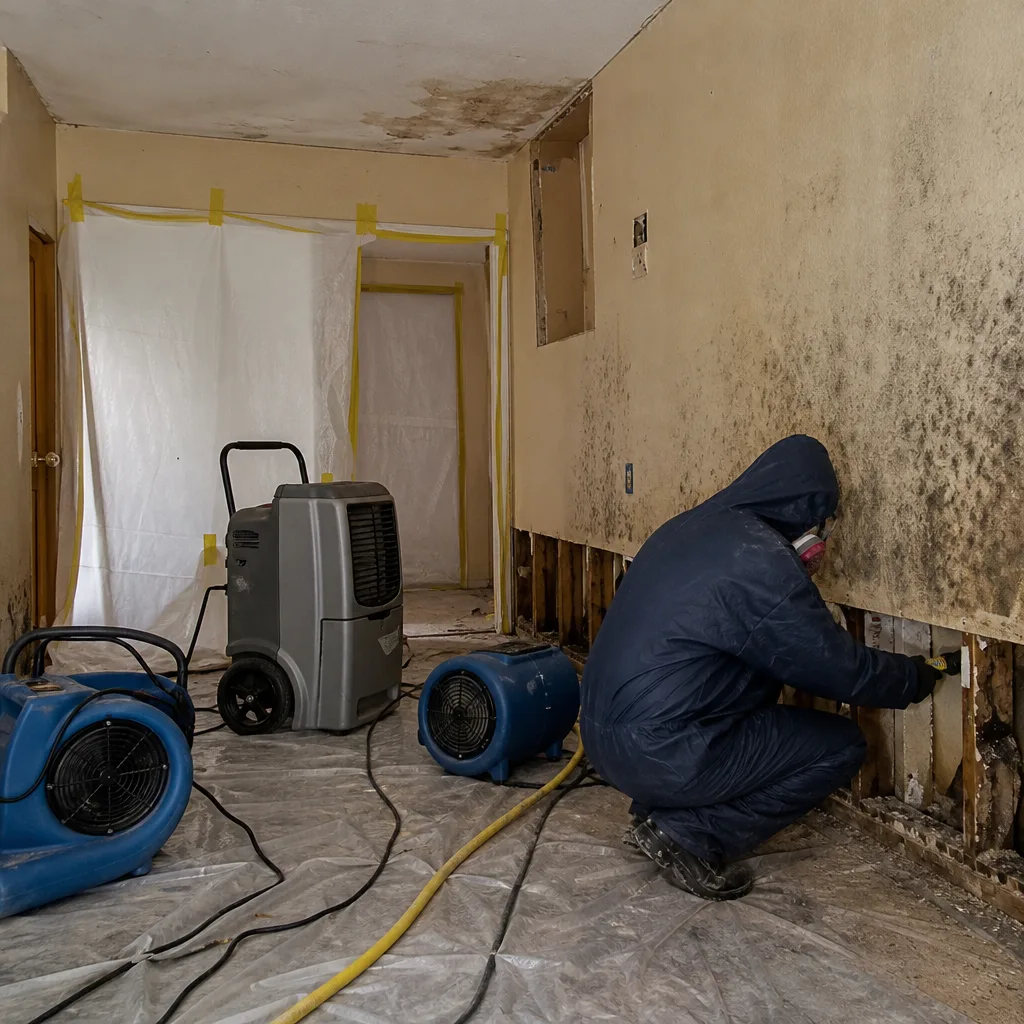 Before
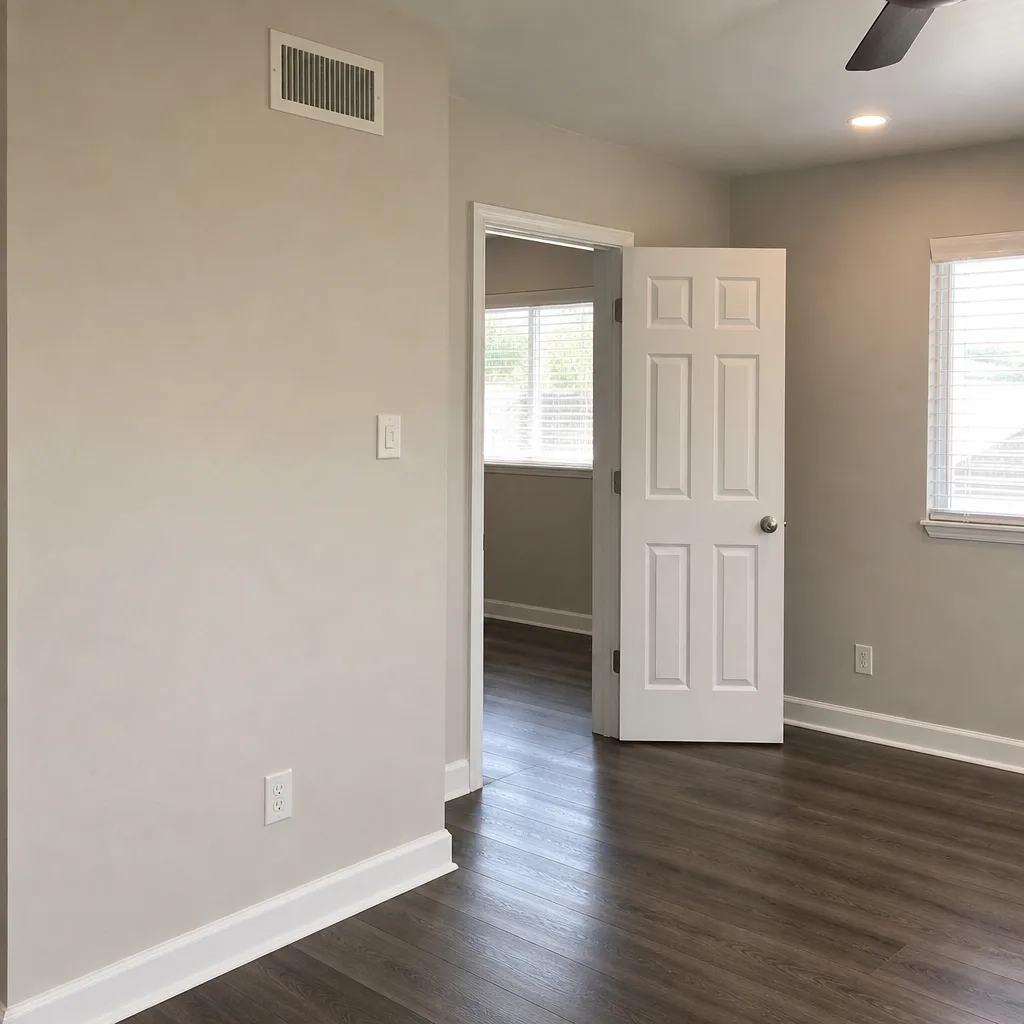 After
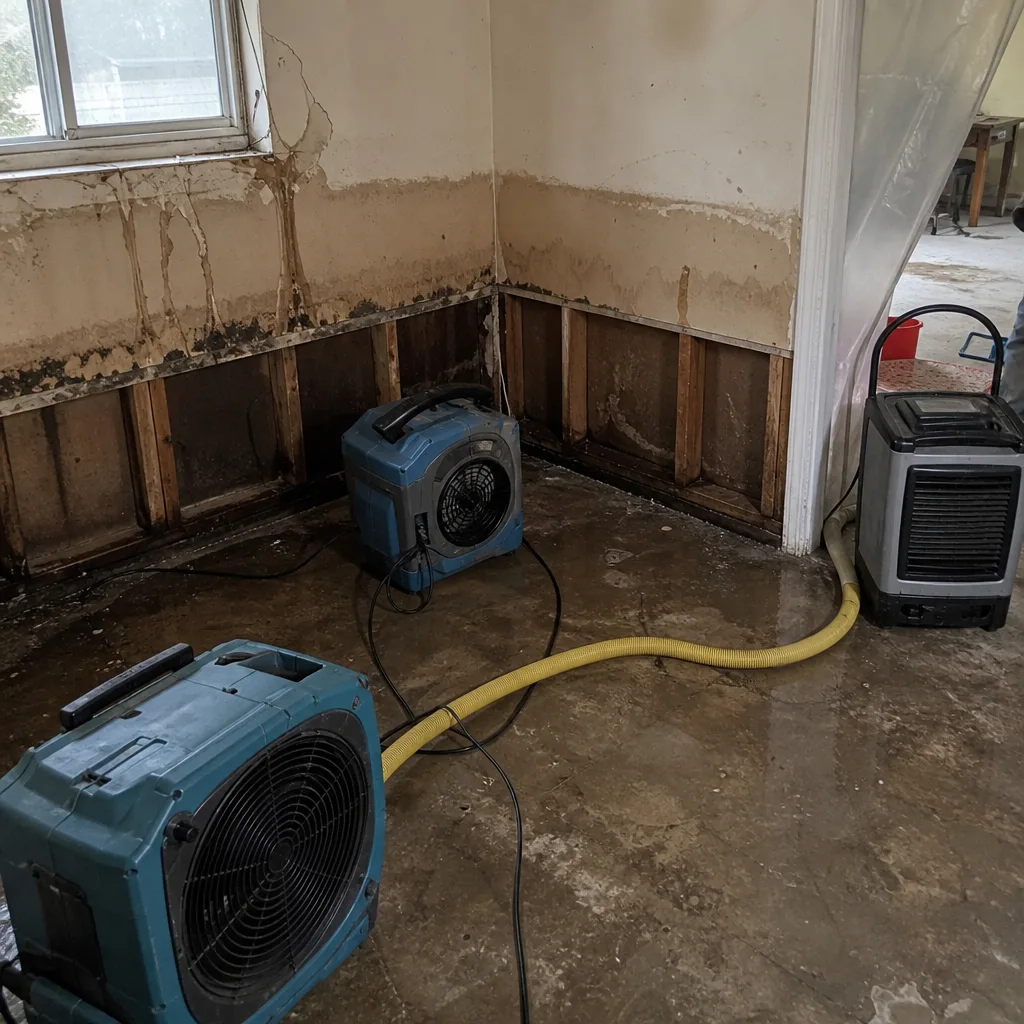 Before
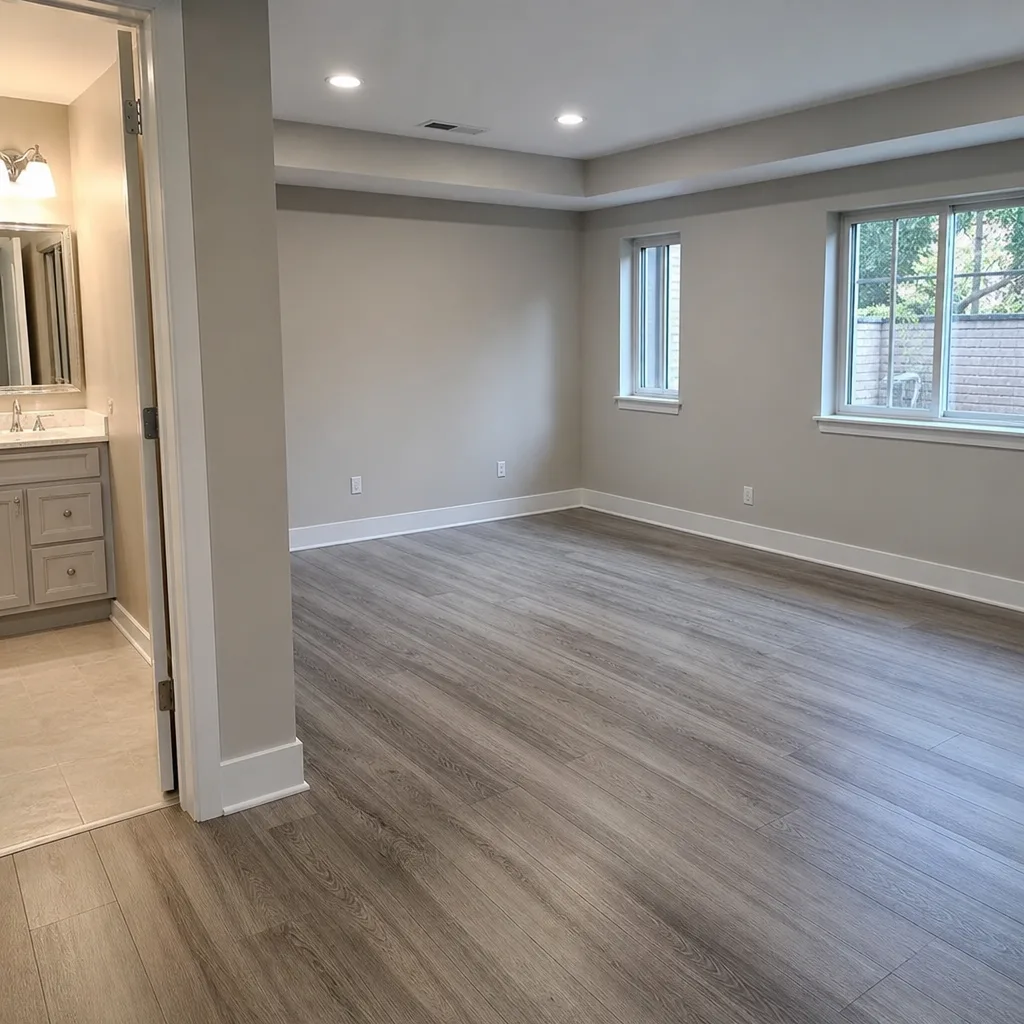 After
 Before
 After