
Last updated October 31, 2026
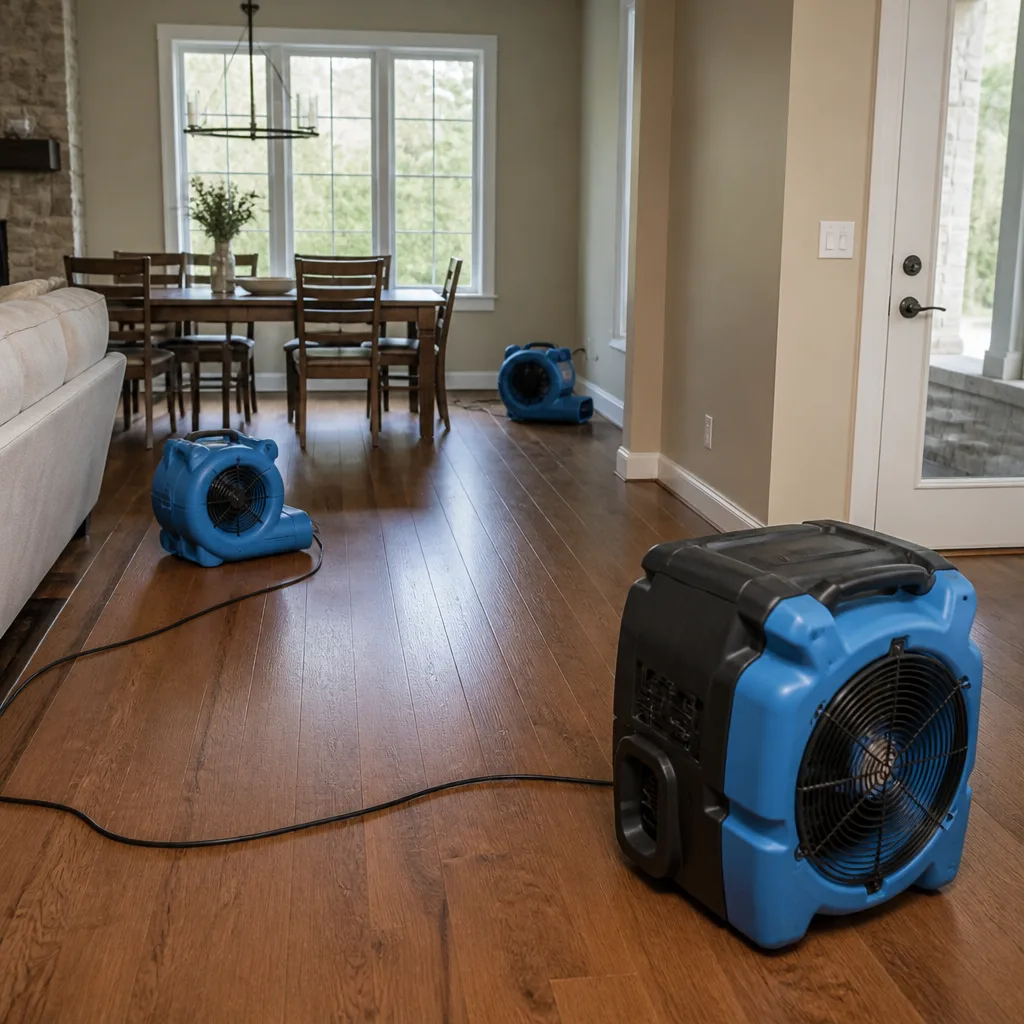 Water damage drying
 Fire & smoke cleanup
 Mold remediation
 Storm response
 Sewage cleanup
 Reconstruction
Free visual inspection and a written scope of work before any mitigation begins - photos, moisture readings, and drying logs go in your claim file
The scope we write is the scope we bill. Anything new gets shown to you, in writing, before we touch it.
Get your free estimateWater Damage Restoration Troubleshooting: Common Problems and How to Fix Them
If your restoration contractor hasn’t shown you a psychrometric reading by day three, your structure is probably not drying on schedule, and you won’t know until the mold shows up. Most homeowners in Pomona never see the inside of a drying log. They see fans running, hear dehumidifiers humming, and assume the job is being done correctly. Our Complete Guide to Damage Restoration in Pomona exists because that assumption costs thousands of dollars in secondary damage every single year. We’re going to walk you through exactly how to tell whether your water damage restoration is actually progressing or just appearing to, where hidden moisture hides in California residential construction, and what certified drying actually requires before anyone closes up your walls. By the end, you’ll have a working checklist to evaluate any restoration job, whether you hired us or someone else.
Quick Answer
Water damage restoration fails most often because drying was never measured with proper moisture meters and psychrometric readings, not because the equipment didn’t run. If you’re seeing recurring odor, buckling floors, or paint bubbling after restoration, the contractor likely closed walls before the structure reached its verified dry standard, leaving a moisture reservoir that will feed mold and destroy finishes. The fix is documentation: daily moisture readings, drying goals in writing, and a final verified moisture content reading before reconstruction begins.
Restoration work we handle
Table of Contents
- How to Identify a Stalled Drying Job
- Why Odor Returns After Restoration (and Where the Moisture Hides)
- The Problem With “Dry to Touch” as a Benchmark
- How to Evaluate a Mid-Job Contractor Dispute
- Troubleshooting Secondary Damage: Buckling Floors, Efflorescence, Paint Bubbling
- Why Equipment Type and Placement Determine Whether Drying Works
- Reading a Drying Log: What Your Contractor Should Show You
- Common Mistakes to Avoid
How to Identify a Stalled Drying Job
A stalled drying job looks busy. Fans are placed, dehumidifiers run, technicians visit daily. But moisture isn’t actually leaving the structure at the rate it should. In Pomona’s climate, where summer temperatures regularly exceed 90 degrees and winter brings Santa Ana-driven dryness, a properly managed drying chamber should show measurable moisture reduction every 24 hours. When that stops happening, something is wrong.
The most reliable sign of a stalled job is a flat moisture reading. Your contractor should be taking daily readings with a penetrating moisture meter, not just the non-invasive kind that scans surfaces. If you see the same number, or a number that barely moves, for two consecutive days, the drying setup isn’t working. The air is either already saturated, the dehumidifier is undersized for the space’s cubic footage, or there’s a moisture source that hasn’t been addressed, like a slow leak that was never fixed before drying started.
Here are the specific indicators we’ve learned to spot immediately, and you should too:
- Water beading on walls or floors near drying equipment: This means the dehumidifier isn’t removing water fast enough, so moisture in the air is recondensing on cooler surfaces. The equipment is either undersized or malfunctioning.
- Airflow paths that don’t reach corners or behind cabinets: Fans need a continuous path of air movement across wet surfaces. If a fan is pointed at a wet wall from three feet away with furniture blocking the path, that wall isn’t drying.
- Dehumidifier running but the room feels increasingly humid: LGR (low grain refrigerant) dehumidifiers from brands like Dri-Eaz or Phoenix pull water out of the air and route it to a drain or collection tank. If the drain line is kinked or the tank is full without a pump, the machine runs but accomplishes nothing.
- Technicians can’t answer what “dry” means for your specific materials: Drywall, hardwood, and concrete have different dry standards. A technician who says “it’s drying” without giving you the target moisture content for each material probably isn’t measuring anything.
- The same equipment package has been in place for more than five days without re-assessment: Drying setups should evolve as materials dry. If nothing has changed since day one, the contractor isn’t monitoring progress.
When a drying job stalls in a Pomona home with stucco exterior walls, we frequently find trapped moisture in wall cavities behind the paper backing of the stucco lath. Standard air movers can’t reach that space. The next section covers exactly where this hidden moisture hides, because it’s the most common reason a job looks done but isn’t.
Why Odor Returns After Restoration (and Where the Moisture Hides)
Odor returning after restoration is not a puzzle. It’s a signal that somewhere in your structure, a moisture reservoir remains. Bacteria and mold spores reactivate when they get water, and they release the musty, earthy smell you’re noticing. The question isn’t whether odor will return after incomplete drying. It’s where the contractor missed the water.
In California residential construction, we consistently find residual moisture in three specific places that generalist contractors overlook:
- Bottom wall plates under exterior stucco walls: Pomona homes built in the 1950s through 1970s typically have wood framing sitting directly on a raised foundation or slab. Water wicks into the bottom plate and stays there because it’s not exposed to airflow. Standard fans placed in the room blow air over the surface, but that bottom plate, trapped behind baseboards and under drywall, never dries out.
- Subfloor cavities under vinyl or tile flooring: If your flooring has a vapor barrier or is impermeable, water trapped underneath has nowhere to evaporate to. The drying contractor may have removed wet carpet but left the subfloor wet underneath a section of vinyl or tile that “looked fine.” The water remains in the plywood or OSB, and mold grows in that dark, warm space.
- Behind fiberglass insulation in exterior wall cavities: Fiberglass batting acts like a sponge. When it gets wet, it loses its R-value and holds water against the drywall paper and framing. Unless the insulation is removed, dried, or replaced, the moisture stays in the cavity. Air movers on the room side can’t reach it. The Injectidry system addresses this problem directly by forcing dry air into the cavity itself, which is why it’s a preferred approach for non-invasive structural drying. Without it, the alternative is demolition.
If odor has returned after a restoration was “completed,” don’t burn scented candles and hope it fades. The moisture source is still there. Document the odor, note where it’s strongest, and get a professional with a penetrating moisture meter and thermal imaging camera to find the reservoir. In our experience in Pomona, when odor returns within two months of restoration, the original contractor simply didn’t dry the cavities before closing them up.
The Problem With “Dry to Touch” as a Benchmark
“Dry to touch” means the surface feels dry. It tells you nothing about the material’s internal moisture content. A piece of drywall can feel perfectly dry to your hand while holding 25% moisture content internally, which is more than enough to support mold growth and destroy paint adhesion. We’ve pulled baseboards off walls in Pomona homes that had been “restored” by a previous contractor, only to find the drywall behind them soft, chalky, and covered with the early stages of mold, which is an issue that goes beyond water restoration.
Certified moisture readings, not touch, determine whether walls can be closed. The IICRC S500 standard establishes drying goals based on material type. Here’s what you should expect to see in a drying log before any reconstruction begins:
- Hardwood flooring: Moisture content should return to within 2-4% of its pre-loss equilibrium moisture content for the Pomona climate. That typically means 8-12% depending on species and the season’s relative humidity.
- Drywall: Moisture content should drop below 1% on a drywall-specific scale, typically measured with a penetrating meter set to the correct material setting.
- Framing lumber: Moisture content should return below 16%, but ideally to within 2-3% of the surrounding unaffected wood’s moisture content.
- Concrete slabs: Measured with a relative humidity probe or calcium chloride test, concrete should show moisture emission rates appropriate for the flooring system being installed over it.
A legitimate contractor will show you these numbers. If they can’t produce a moisture log with actual readings, date-stamped and tied to specific locations in the structure, the job wasn’t done to standard. “Trust me, it’s dry” is not a professional measurement. It’s a guess.
Water damage restoration in Pomona should always end with a written record of final moisture readings, not just a handshake and an invoice.
How to Evaluate a Mid-Job Contractor Dispute
Disputes happen. Sometimes scope changes. A wall that looked dry on day one reveals hidden damage on day four. A homeowner discovers their insurance coverage doesn’t match what the contractor says needs to be done. The key is knowing what documentation you’re entitled to request, and what IICRC standards say about scope changes, as covered in our guide to Choosing the Right Damage Restoration Brand: A Buyer’s Guide for Pomona.
Here’s the step-by-step process we recommend to any property owner in this situation:
- Request the initial assessment in writing: The contractor should have documented the affected areas, the category and class of water loss, the moisture readings at the time of assessment, and the proposed drying plan, including equipment type and quantity. If this document doesn’t exist, the contractor skipped a fundamental step.
- Request daily moisture logs: You’re entitled to see the trend line. If moisture readings aren’t improving day over day, the contractor needs to explain why and adjust the plan. “It’s drying” is not an explanation. The numbers need to move.
- Ask for the IICRC S500 reference for any scope change: If a contractor says they need to remove additional drywall, pull up more flooring, or bring in more equipment, they should be able to tell you what standard or condition triggered that change. Is it a newly discovered moisture source? A material that’s not responding to drying? A structural condition that requires more aggressive demolition?
- Get the revised scope and price in writing before additional work proceeds: This is non-negotiable. Any contractor who proceeds with additional work without written approval is not operating to professional standards. A written scope protects both parties and prevents the exact dispute you’re in.
- If the dispute escalates, ask for third-party verification: An independent IICRC-certified firm can come in, assess the situation, and provide an objective opinion on whether the work was done correctly. This is a service you pay for, but in Pomona’s real estate market, it costs far less than accepting substandard work.
We’ve been called into Pomona homes mid-dispute with another contractor more times than we care to count. The pattern is almost always the same: no initial assessment in writing, no daily logs, no explanation of what dry means. A professional restoration firm aligned with IICRC standards should welcome documentation requests. We treat them as normal business, not as a challenge to our authority.
Troubleshooting Secondary Damage: Buckling Floors, Efflorescence, Paint Bubbling
Secondary damage is the restoration industry’s term for problems that appear weeks or months after the original event. Each has a specific cause. If you understand the cause, you can tell whether to pursue the original contractor or solve the problem yourself.
Buckling Hardwood Floors
Wood floors buckle because the wood has absorbed more moisture than it can hold without expanding. The boards push against each other and pop upward, usually at the center of the room where pressure is highest. In Pomona, this often happens weeks after restoration because the contractor dried the surface of the wood but didn’t address the subfloor underneath. The moisture in the subfloor wicks up into the hardwood, and the pressure builds over time.
The fix is to identify the moisture source. If the subfloor is still wet, the floor will buckle again even if you sand and refinish. In some cases, the flooring can be saved through careful dehumidification with the floor left in place, using equipment like the Dri-Eaz or Phoenix LGR dehumidifiers that pull moisture from the air above and below. In other cases, the affected boards must be removed and replaced. The key diagnostic question is whether the subfloor is dry. If it isn’t, any fix to the visible floor is temporary.
Efflorescence on Concrete
Efflorescence is the white, chalky powder that appears on concrete slabs, block walls, or masonry. It’s caused by water moving through the concrete and carrying dissolved salts to the surface. When the water evaporates, the salts remain. Seeing efflorescence weeks after a restoration means water is still moving through the slab or wall, which indicates either an unresolved moisture source or incomplete drying.
In Pomona’s concrete slab foundations, efflorescence often appears where the slab meets the walls, in garages, or on exterior stem walls. The fix is to dry the slab properly and address the moisture source. Sealing over efflorescence without drying the slab just pushes the problem deeper and eventually causes the sealer to fail. Professional drying with the right dehumidifier setup, and in some cases injection drying into the slab, is required.
Paint Bubbling or Peeling
Paint bubbles or peels after restoration because the surface was painted over while the drywall or plaster still held moisture. The moisture migrates to the surface, pushes against the paint film, and creates bubbles or peeling. This is a classic sign that walls were closed up too early, painted too soon, or the drying was incomplete.
The fix requires removing the failed paint, allowing the wall to properly dry to the certified standard, and then repriming and repainting. If the drywall has been wet for more than 48 hours, it may need replacement. Painting over active moisture simply guarantees another round of peeling paint.
Why Equipment Type and Placement Determine Whether Drying Works
Not all drying equipment is created equal. The difference between a professional restoration and a hack job often comes down to what’s running in the room and where it’s placed. Hardware-store fans and small residential dehumidifiers can’t generate the airflow and moisture removal rates needed for structural drying after a real water event.
Professional restoration firms use LGR (low grain refrigerant) dehumidifiers, which are capable of pulling water from the air down to much lower relative humidity levels than standard dehumidifiers. A Dri-Eaz or Phoenix LGR can remove dozens of pints of water per day from the air in a Pomona home, while a big-box-store dehumidifier manages a fraction of that. The difference matters because the air must be dry enough to accept moisture from the walls and floors. If the dehumidifier can’t get the air dry, evaporation stops, no matter how many fans are running.
Air mover placement is equally critical. A professional drying setup uses a calculated number of air movers based on the square footage of wet surface area, not a box fan pointed in the general direction of the wet spot. Air movers must create a continuous flow of air across every wet surface, including behind baseboards and inside wall cavities. That last part is where the XPOWER and B-Air air movers you see in our equipment lineup earn their keep, because they’re powerful enough to force air into the narrow gaps that a standard fan can’t reach.
For deep structural drying, we use the Injectidry system. This machine forces dry air directly into wall cavities, under subfloors, and behind cabinetry, effectively drying the spaces that air movers on the room side never touch. The advantage is significant: instead of tearing out drywall to expose the cavity, we can dry it in place. That means less demolition, less disruption, and a faster return to pre-loss condition. For a comprehensive Clean Slate Water Damage home restoration, this is the difference between patching a section and replacing entire walls.
Reading a Drying Log: What Your Contractor Should Show You
A drying log is the single most important document in a water damage restoration. It’s the written record that proves the structure is actually drying at a measurable rate. If your contractor can’t produce one, you don’t know whether the work is being done correctly.
Here’s what a legitimate drying log includes:
- Date and time of each reading: Readings should be taken at roughly the same time each day to establish a consistent baseline.
- Location of each reading: Not just “living room” but specific points: “living room, north wall, 24 inches from floor, behind former bookcase location.” This matters because moisture content varies by location, and you need to track the same points over time.
- Moisture content readings for each material: Drywall, hardwood, framing, and concrete each have different normal moisture levels. The log should show readings on the correct material setting, whether from a penetrating meter or a thermo-hygrometer for air conditions.
- Psychrometric readings: These measure the temperature, relative humidity, and dew point of the air in the drying chamber. They tell you whether the dehumidifier is keeping the air dry enough to accept moisture from the structure. If the relative humidity in the room is higher than 50%, drying is unlikely to proceed efficiently.
- Equipment inventory and placement changes: If fans were moved or added, that should be logged. If the dehumidifier’s collection tank was emptied or the drain line was adjusted, that should be noted.
- Target moisture content for each material: The log should show the goal and the current reading, so the trend is visible.
If your contractor shows you a drying log that only has surface readings and no psychrometric data, ask for the rest. A drying chamber without psychrometric monitoring is like flying without instruments: you might be fine, but you have no way to know. In Pomona, where the inland climate can swing from very dry to surprisingly humid, psychrometric readings are not a luxury. They’re the only reliable way to know whether the drying environment is actually working.
Common Mistakes to Avoid
- Accepting “dry to touch” as substitute for moisture readings: Your hand is not a moisture meter. A wall can feel bone dry while holding enough water to grow mold in a week. Demand actual numbers.
- Closing up walls before the drying log reaches target moisture content: This is the single most common cause of secondary mold and odor problems we see in Pomona homes. Patience during drying is far cheaper than mold remediation later, which is why we also offer mold remediation in Pomona for exactly this situation.
- Using hardware-store fans and dehumidifiers instead of professional equipment: A box fan and a small dehumidifier can’t generate the airflow and moisture removal rates required for structural drying. The equipment is not interchangeable.
- Not fixing the water source before starting drying: If a slow leak from a pipe behind the wall is still dripping, no amount of dehumidification will dry the structure. The source must be found and repaired first.
- Skipping the written scope and moving forward on a handshake: A professional restoration involves a written scope of work. Without it, you have no leverage if the job goes sideways. Get everything in writing.
- Painting over damp drywall: This traps moisture in the wall and guarantees paint failure. The wall must hit its dry standard before any finish work begins.
- Assuming insurance will cover everything without documentation: Photo documentation, moisture logs, and a written scope are your evidence for an insurance claim. Without them, your adjuster has no way to verify what was actually done, and your claim can be denied or reduced.
See the difference
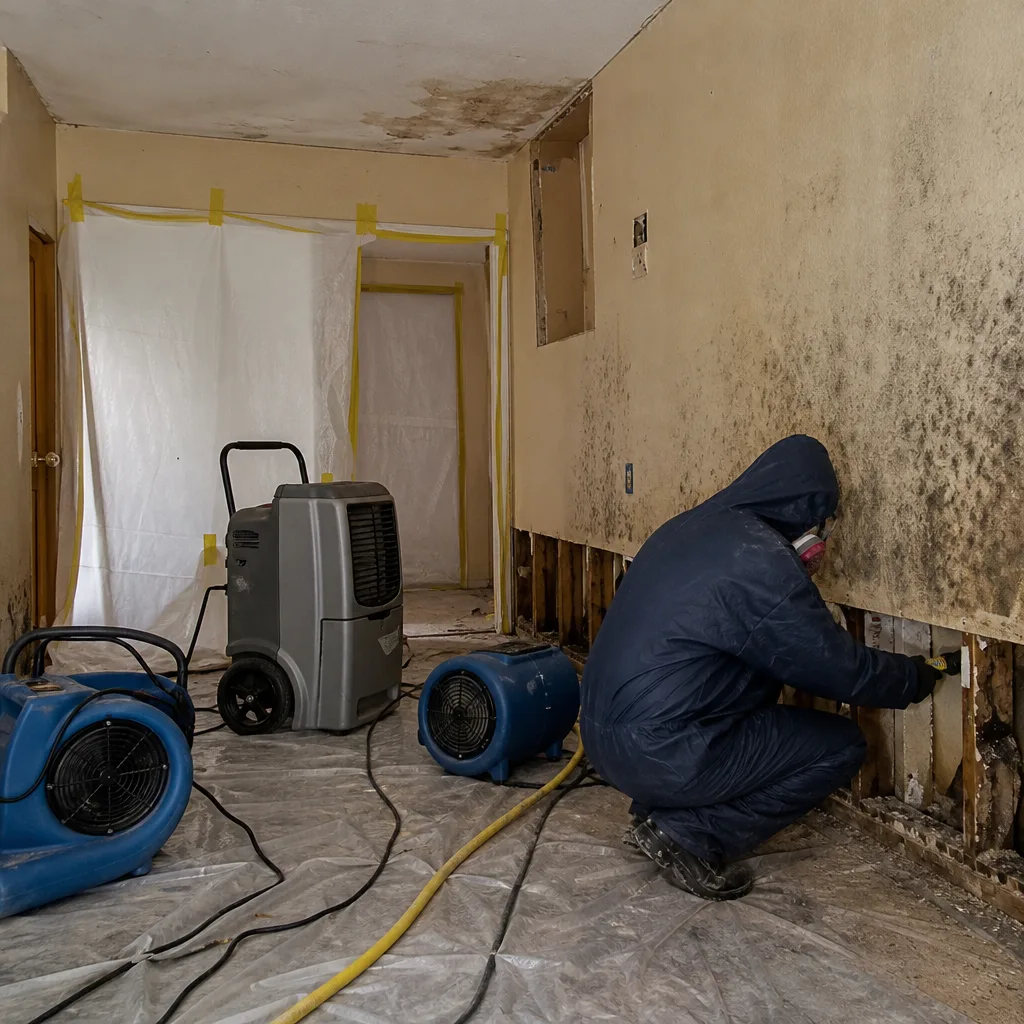 Before
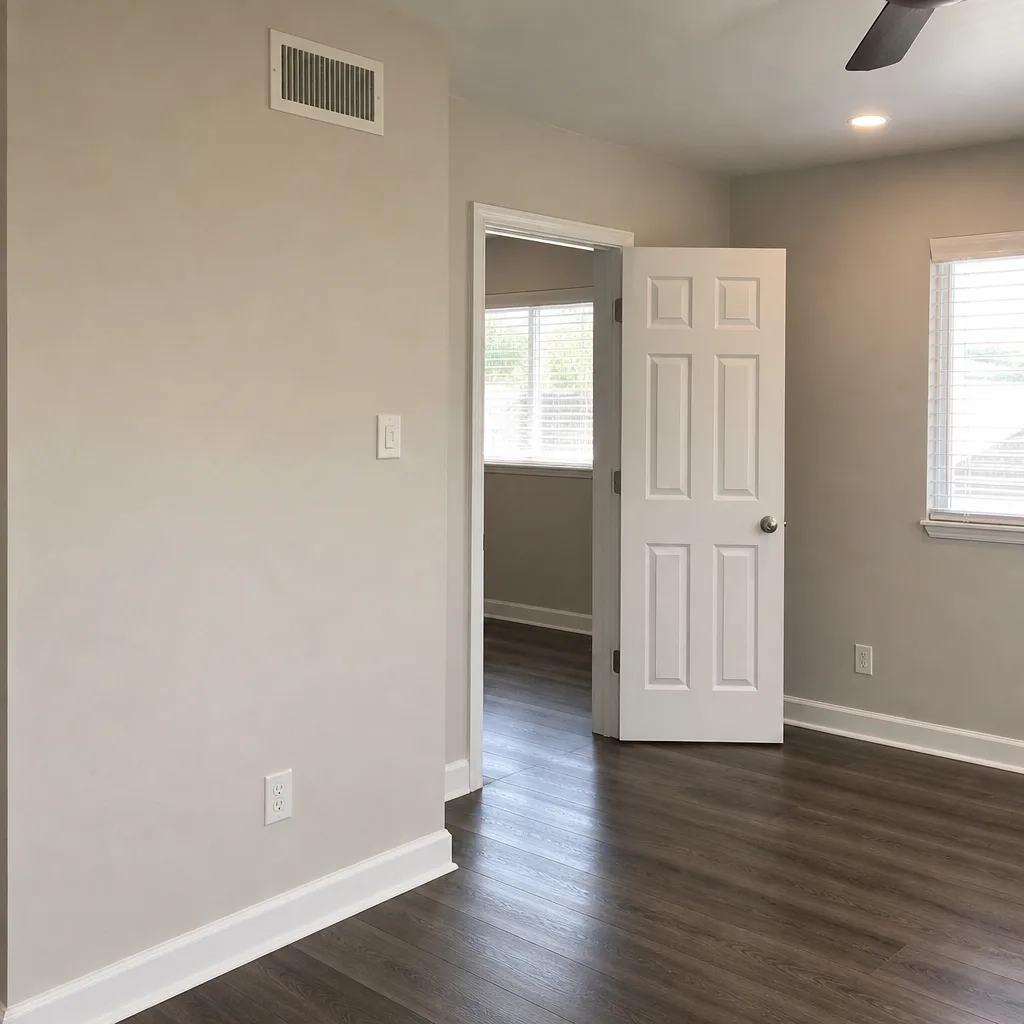 After
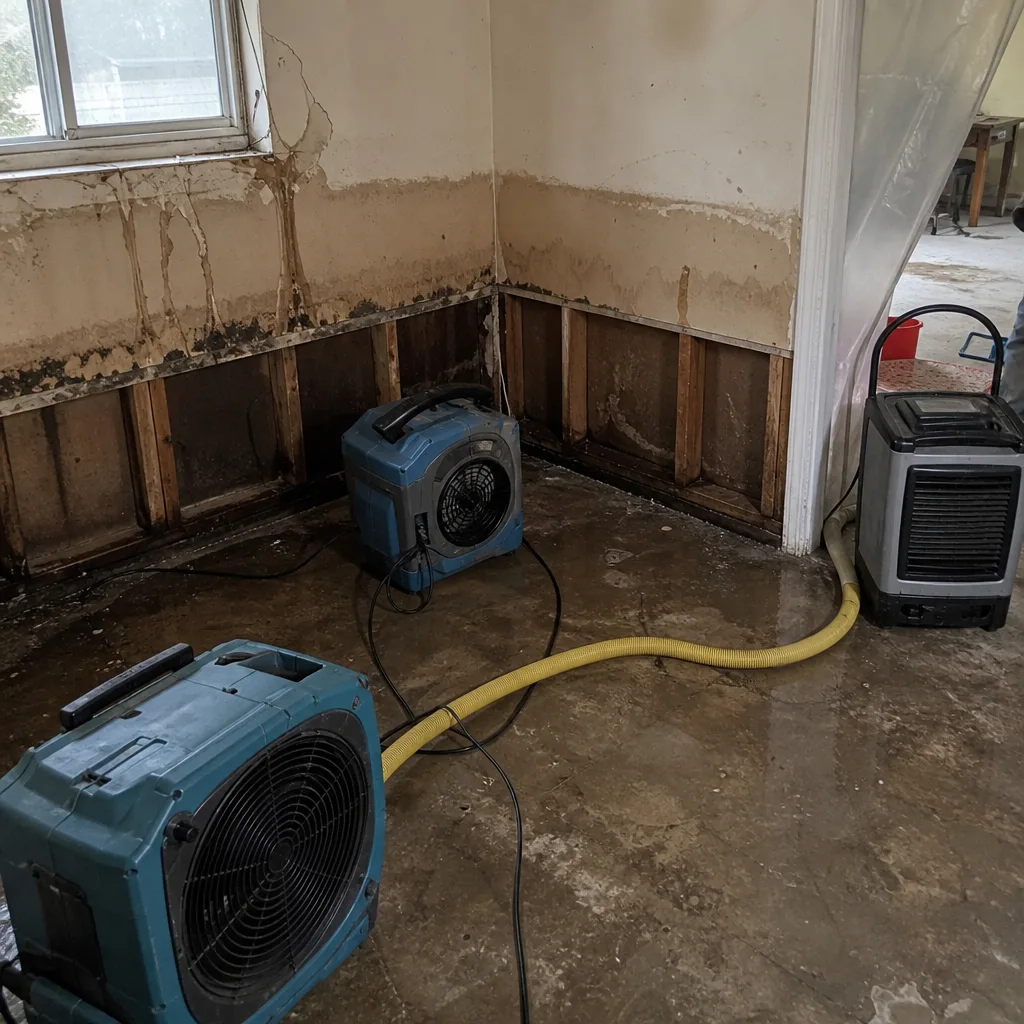 Before
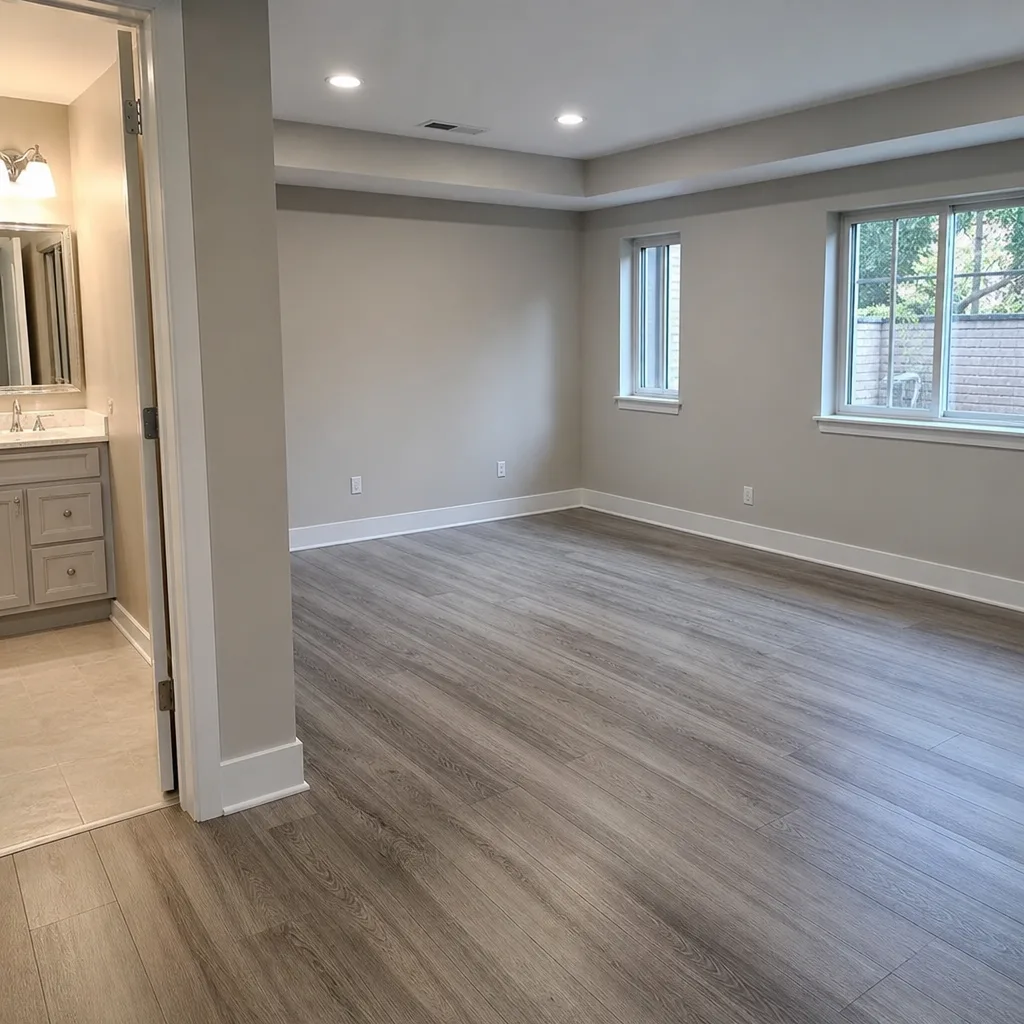 After
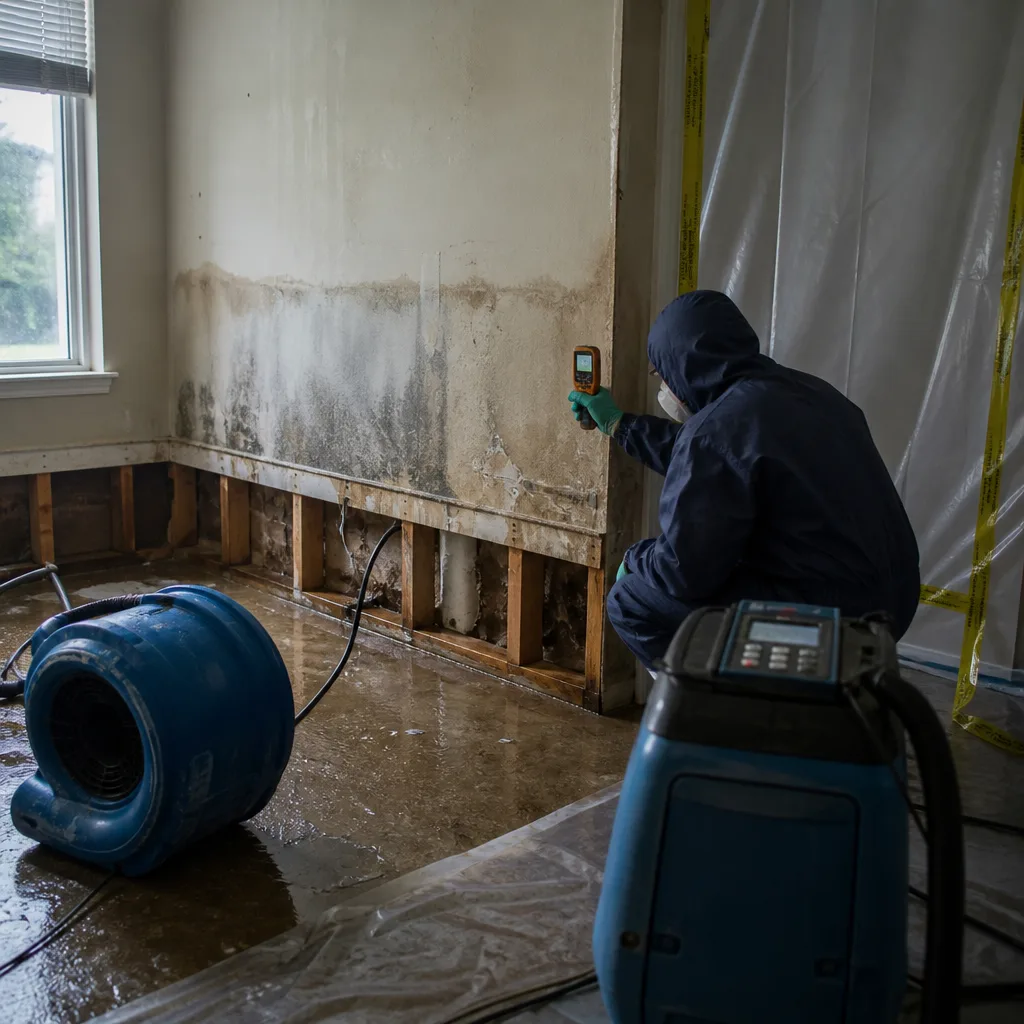 Before
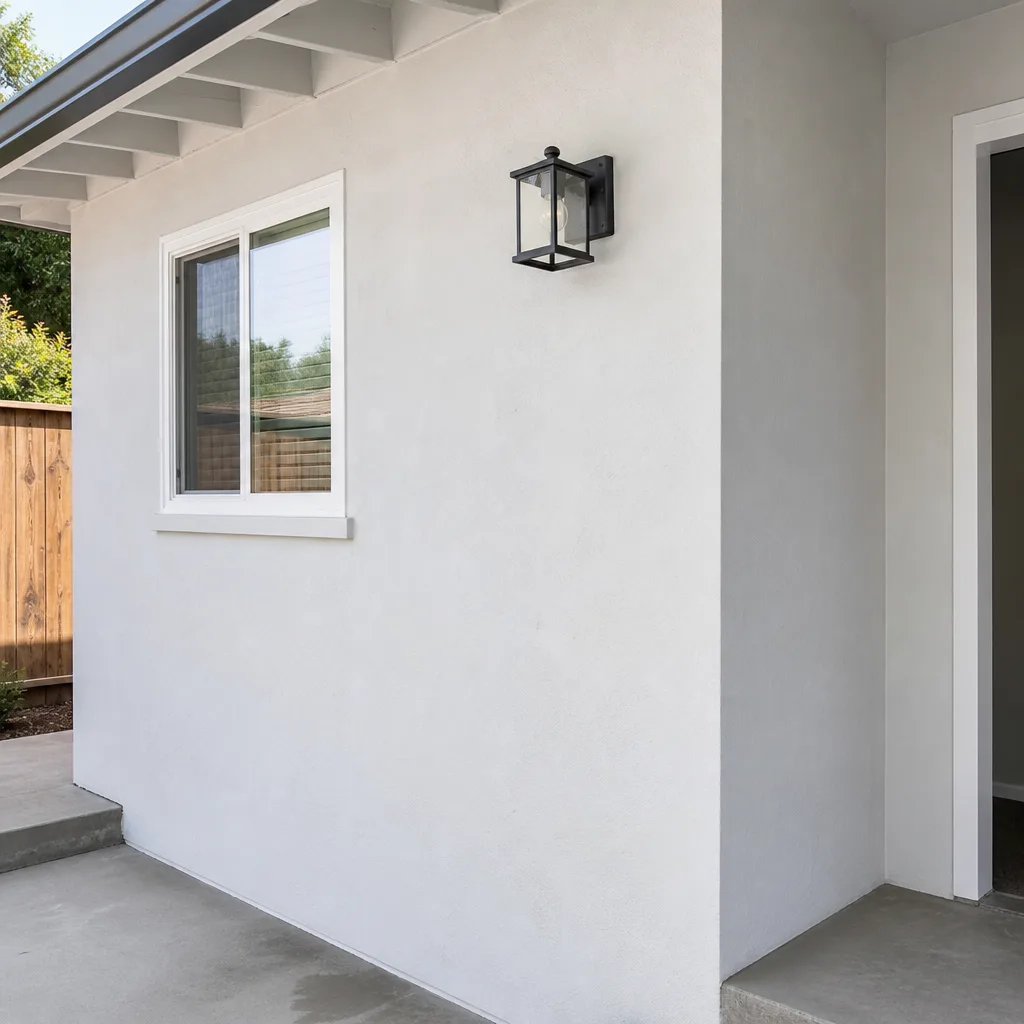 After
When to Call a Professional
Call a professional when water has touched drywall, insulation, hardwood, or the interior of wall cavities. Surface spills that you can mop up and dry with a towel don’t require restoration. Anything involving soaked materials that hold water, hidden spaces you can’t see into, or water that sat for more than a few hours does. If you notice odor returning after a restoration, buckling floors, or paint bubbling, the problem is beyond DIY fixes. Clean Slate Water Damage offers free estimates in Pomona. Call (888) 508-8745 and we’ll assess the situation, take the moisture readings you need, and give you a written plan to get your property back to pre-loss condition.
Frequently Asked Questions
Progress is measured in daily moisture readings that trend downward. Your contractor should be taking daily readings with a penetrating moisture meter and showing you the log. If the numbers aren’t moving or aren’t being recorded, the job isn’t being monitored to professional standards.
Musty odor after restoration means a moisture reservoir was missed. In Pomona homes, the usual suspects are bottom wall plates behind baseboards, subfloor cavities under vinyl or tile, and wall cavities behind fiberglass insulation. The odor will continue until that pocket of moisture is found and dried.
Drywall should read below 1% on a drywall-specific moisture meter scale, but the more practical standard is that the drywall’s moisture content returns to within 1-2% of the unaffected drywall in the same room. That comparison reading is what experienced restorers use to determine when walls can be closed.
Sometimes. If the subfloor is dry and the buckling is minor, the floor may settle back down as it dries, though sanding and refinishing may be needed. If the subfloor is still wet, the floor will buckle again. In some cases, the floor must be removed and replaced. The determining factor is the subfloor’s moisture content, not the visible condition of the wood.
It depends on the source of the water and the terms of your policy. Sudden and accidental events like a burst pipe are typically covered. Gradual leaks, flooding from outside, and neglect are often excluded or require separate coverage. Photo documentation and a written scope from your restoration contractor strengthen your claim regardless of the cause.
Most structural drying jobs take between 3 and 7 days for a typical residential event, though larger losses or those involving hardwood, multiple rooms, or significant wall cavities can take longer. A job that’s still running equipment after 10 days without clear documentation of progress and a revised plan is a red flag. The drying log should tell the story.
The Bottom Line
Water damage restoration fails silently. The fans run, the dehumidifier hums, and the contractor smiles, but without verified moisture readings and a documented drying log, you have no way to know whether the job was done right until the mold appears, the floors buckle, or the paint peels. The lessons are straightforward: demand daily moisture readings, understand what “dry” means for each material in your home, don’t close walls until the numbers prove the structure is dry, and keep every document from the first assessment to the final reading. For more guides & resources, visit our blog. A proper restoration returns your Pomona property to pre-loss condition, not just to a surface that feels dry. Professionals aligned with IICRC standards welcome your questions. We do. Call (888) 508-8745 and we’ll show you exactly what proper drying looks like, whether you hire us or not.
Written by the team at Clean Slate Water Damage, serving Pomona since 2018.