Last updated October 31, 2026
 Water damage drying
 Fire & smoke cleanup
 Mold remediation
 Storm response
 Sewage cleanup
 Reconstruction
Free visual inspection and a written scope of work before any mitigation begins - photos, moisture readings, and drying logs go in your claim file
The scope we write is the scope we bill. Anything new gets shown to you, in writing, before we touch it.
Get your free estimateThe Complete Water Damage Restoration Guide for Pomona Homeowners
A house can pass a visual inspection and still have moisture levels four times above the safe threshold. The difference is whether someone used a moisture meter or just pressed on the drywall. This guide maps the full restoration sequence for Pomona homeowners, phase by phase, with the technical checkpoints that separate a verified restoration from a cosmetic patch job. You’ll learn how drying actually works in the Inland Empire climate, what your insurance adjuster expects to see, and where the process goes wrong when corners get cut. By the end, you’ll know exactly what to demand from any contractor who steps onto your property.
Restoration work we handle
Quick Answer
Water Damage Restoration in Pomona follows a five-phase sequence: extraction, structural drying, monitoring, remediation, and rebuild. Each phase has a defined completion standard, not just a time estimate. A certified restorer should provide a drying log with moisture readings at every visit, and the final clearance should be based on verified moisture content below the mold threshold, typically 16% or lower for wood framing. Rushing any phase, especially the drying and monitoring stages, creates hidden failures that surface months later as mold, warped flooring, or delaminated cabinets.
Table of Contents
- The Five-Phase Restoration Sequence
- Pomona-Specific Conditions: Why the Inland Empire Dries Differently
- How to Read a Drying Log (And Why It Matters)
- Category 1, 2, and 3 Water: What Changes in the Protocol
- Insurance Documentation: What a Certified Restorer’s Report Actually Includes
- Why Structural Drying Without Demolition Works (And When It Doesn’t)
- Common Mistakes to Avoid
- When to Call a Professional
- Frequently Asked Questions
- The Bottom Line
The Five-Phase Restoration Sequence
Most Pomona homeowners think of water damage restoration as a single event. It isn’t. It’s a sequenced protocol, and each phase has a specific completion standard that determines whether the next phase can safely begin. Skipping a phase or moving forward prematurely is how properties end up with hidden mold behind baseboards and persistent musty smells that no amount of air freshener fixes.
Phase 1: Extraction
Extraction begins the moment standing water is present. The goal is simple: remove as much liquid water as physically possible before evaporation takes over. Professional-grade extraction equipment from brands like Dri-Eaz and Phoenix moves water at rates that hardware-store rentals simply cannot match. We’re talking hundreds of gallons per hour versus maybe a dozen. The completion standard for this phase is no standing water visible anywhere on the affected surface. That includes water trapped behind baseboards, under vinyl flooring, and inside wall cavities that you cannot see from the surface.
Phase 2: Structural Drying
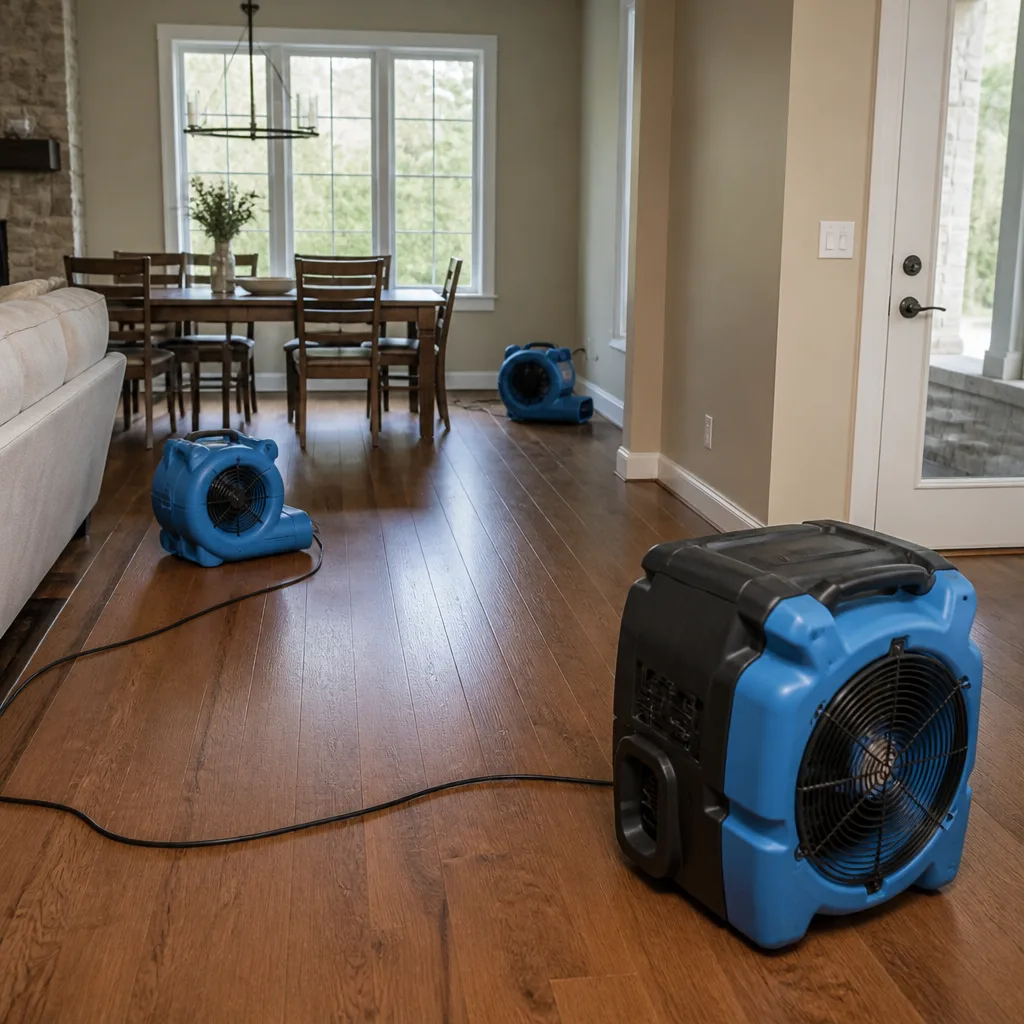
This is where the real work happens. After extraction, the remaining moisture is bound inside porous materials: drywall, wood framing, subflooring, insulation. Structural drying uses air movers and dehumidifiers to create a controlled evaporation environment. The completion standard here is measured, not guessed. Wood framing needs to reach a moisture content typically below 16% to prevent mold activation. Drywall should read dry on a penetrating moisture meter across the entire affected area, not just the visibly wet spots. In our experience, this phase is what separates restored-to-pre-loss-condition from dried-out-and-patched. The Water Damage Restoration in Pomona process we follow runs on equipment like XPOWER air movers and LGR dehumidifiers that pull moisture down to those thresholds in days, not weeks.
Phase 3: Monitoring
Monitoring is the phase most homeowners never hear about, and the one contractors most often skip. A certified restorer returns to the property daily or every other day, takes moisture readings at marked locations, adjusts equipment placement, and logs everything. The completion standard is a documented downward trend across every monitoring point, ending at the target dryness level. Without this log, you have no evidence the drying actually worked. More on reading those logs in a moment.
Phase 4: Remediation
Remediation addresses what the water left behind: microbial growth, contamination, damaged porous materials that cannot be economically dried, and air quality issues. The completion standard is a post-remediation verification, often including visual inspection and moisture confirmations, showing the affected area is clean and dry. This phase is where Category 2 and 3 water events diverge sharply from Category 1, which we’ll cover below. For mold-specific situations, the Mold Remediation in Pomona guide covers the containment and clearance standards in detail.
Phase 5: Rebuild
Rebuild is what most people picture when they think of water damage: new drywall, fresh paint, replaced flooring. But rebuild only happens after the previous four phases have met their completion standards. Rebuilding over wood that reads 20% moisture content means you’ll be rebuilding again in eighteen months when the studs rot and the drywall blisters. The completion standard for rebuild is a finished surface that looks and functions as it did before the loss, with documentation proving the substrate beneath was dry and clean before it was covered.
Pomona-Specific Conditions: Why the Inland Empire Dries Differently
Pomona’s climate creates a unique drying challenge that homeowners often misunderstand. The Inland Empire’s dry heat feels like it should speed everything up. The air is arid, evaporation seems instant, and surfaces feel dry to the touch within hours. But that surface dryness is deceptive. The real moisture is inside the structure, and Pomona’s construction methods trap it there.
Most Pomona homes sit on concrete slab foundations. Unlike wood-framed crawlspaces that allow air circulation underneath, slab foundations put the subfloor directly against concrete. When water penetrates the flooring, whether from a supply line leak, a slab pipe failure, or a washing machine overflow, the concrete absorbs moisture and holds it. Concrete dries slowly, releasing moisture upward into whatever sits on top of it. That means bamboo flooring, laminate, and even tile installed over concrete can stay wet for weeks after the surface feels bone dry. We’ve seen subfloor moisture readings above 25% in Pomona homes where the homeowner was convinced everything was fine because the tile felt cool and dry to the touch.
The second Pomona-specific factor is the age of the housing stock. Much of Pomona’s residential construction predates the 1990s, meaning original copper supply lines and cast iron drains. Copper pinhole leaks are slow, silent, and devastating. They drip inside walls for months before anyone notices, saturating insulation and framing while the visible damage remains minimal. By the time a Pomona homeowner sees the water stain, the wall cavity has often been wet for weeks, sometimes months. This is where the Injectidry system becomes essential, forcing dry air directly into wall cavities and under flooring without tearing everything apart. The alternative is demolition: cutting open drywall, pulling up flooring, and rebuilding from scratch, which adds days and thousands of dollars to the project.
Pomona’s occasional heavy rain events, particularly during El Niño winters, add another layer. Flat-roof commercial buildings and older residential roofs in Pomona are vulnerable to sudden water intrusion during these events. The water enters fast, soaks into attic insulation and ceiling drywall, and then the Inland Empire heat returns and creates a greenhouse effect in the attic. That’s a perfect mold incubation environment. The Clean Slate Water Damage home page explains how our full-service approach handles these events from initial mitigation through final clearance.
How to Read a Drying Log (And Why It Matters)
A drying log is the single most important document in any water damage restoration project. It’s also the document most often absent when things go wrong. A certified restorer provides one. A general contractor who “does water damage on the side” typically doesn’t. The absence of a drying log is a red flag you should not ignore.
Here’s what a professional drying log contains and how to interpret it:
- Initial readings. Every affected area gets a baseline moisture reading before drying begins. Wood framing, drywall, subfloor, and concrete all have different acceptable thresholds. The log should list each monitoring location with its starting moisture content.
- Daily (or every-other-day) readings. The restorer returns, re-takes readings at the same locations, and records them. You should see a downward trend. Numbers should be dropping toward the target thresholds: below 16% for wood, below the manufacturer’s spec for flooring, and dry readings for drywall.
- Equipment adjustments. As areas dry, air movers get repositioned. Dehumidifiers get dialed back or removed. The log should note these changes so you can see the drying strategy responding to the data, not just running on autopilot.
- Target thresholds. Each material has a documented target moisture level. The log should state those targets explicitly, so it’s clear when the job is done, not just when the contractor is tired of coming back.
- Final clearance readings. The last entry should show every location at or below target. If any location is still above target, drying is not complete, and the next phase should not begin.
What if the contractor you hired doesn’t provide a drying log? You’re flying blind. The job might be done correctly, or the surfaces might be dry while the cavities are still wet. There’s no way to know. The standard set by the IICRC (Institute of Inspection, Cleaning and Restoration Certification) requires documented moisture readings throughout the drying process. Any restorer working to IICRC-aligned standards will provide this documentation without being asked.
Category 1, 2, and 3 Water: What Changes in the Protocol
Not all water damage is equal. The restoration industry classifies water into three categories based on contamination level, and the category determines the protocol. Getting this wrong is dangerous. Treating Category 3 water as if it were Category 1 means leaving sewage contamination in porous materials that later off-gas into the home.
Category 1: Clean Water
Clean water comes from a sanitary source: a broken supply line, a faucet left running, a water heater leak from the clean water side, or rainwater that hasn’t contacted contaminants. Category 1 water is the most straightforward to remediate. The protocol is extraction, structural drying, monitoring, and targeted rebuild of only what cannot be dried. Porous materials like drywall and insulation can often be saved if drying begins quickly and moisture levels return to normal within 48 to 72 hours.
Category 2: Gray Water
Gray water contains significant contamination. Sources include washing machine overflows, dishwasher discharge, toilet overflows with urine but no feces, and sump pump failures. Gray water can cause illness if ingested and accelerates mold growth dramatically. The protocol changes: affected carpet pad is typically removed and discarded, affected drywall is cut out rather than dried in place, and all affected surfaces get antimicrobial treatment after drying. The clearance standard includes verification that contaminated materials were removed, not just dried.
Category 3: Black Water
Black water is grossly contaminated. Sewage backups, flood water from rivers or streets, and any water that has sat long enough to support bacterial growth fall into this category. The protocol for Category 3 is demolition-heavy. Affected carpet, pad, drywall, insulation, and sometimes subflooring get removed and discarded. The remaining structure is cleaned, sanitized, dried, and then tested before rebuild begins. In Pomona, sewage backups from aging cast iron drain lines are unfortunately common, and homeowners who try to clean these up themselves without proper PPE and sanitization protocols risk serious illness.
The category of water drives the entire restoration approach. A qualified restorer identifies the category on arrival and explains how it changes what gets saved versus what gets removed. If your contractor doesn’t mention water categories at all, that’s another red flag.
Insurance Documentation: What a Certified Restorer’s Report Actually Includes
California homeowners insurance claims for water damage depend heavily on documentation. Your adjuster needs to see what was damaged, what was done, and why it was necessary. A certified restorer’s report differs fundamentally from a general contractor’s invoice in one key way: it provides evidence, not just charges.
Here’s what a proper restoration report includes for insurance purposes:
- Photo documentation. Every phase gets photographed: initial damage, extraction in progress, drying equipment placement, moisture meter readings at each monitoring point, and final clearance. These photos prove the work was necessary and completed.
- Moisture maps. A diagram of the affected area showing where moisture was found and at what levels. This supports the scope of drying work and justifies the square footage claimed.
- Daily drying logs. The same logs we covered above. Insurance adjusters recognize these as the standard of care for water damage restoration.
- Equipment records. What equipment was deployed, where, and for how many days. This justifies equipment rental line items on the claim.
- Scope of work documentation. A written scope, agreed to before work begins, that details what will be removed, what will be dried, and what will be rebuilt. This prevents disputes later about what was or wasn’t authorized.
- Cause of loss documentation. The restorer documents what caused the water damage, which matters for coverage determinations. A sudden pipe burst is typically covered. A slow leak that went unaddressed for months may not be.
Insurance adjusters work with restoration companies every day. They know when they’re looking at a professional report and when they’re looking at a courtesy invoice. The difference affects how quickly your claim processes and how much gets approved. In our experience, claims supported by IICRC-aligned documentation from a company with RIA and IFA affiliations move through the system with far less friction than claims supported by vague descriptions of “drying and repairs.”
Why Structural Drying Without Demolition Works (And When It Doesn’t)
The Injectidry system represents a genuine advancement in water damage restoration, and most Pomona homeowners have never heard of it. The conventional approach to wet walls and wet subfloors is demolition: cut out the drywall, pull up the flooring, expose the framing, and dry it in the open air. That works, but it’s destructive, expensive, and slow. The Injectidry system forces dry air directly into wall cavities and subfloor spaces through small access points, drying the structure from the inside out without tearing everything apart.
Here’s why that matters in Pomona. Slab foundation homes, as we covered, trap moisture between the concrete and the flooring above. The conventional fix is to remove all the flooring, dry the slab, and reinstall. With Injectidry, a technician can create a negative air pressure system under the flooring that pulls dry air across the concrete and out the other side. The flooring stays in place, the slab dries, and the homeowner avoids a full flooring replacement. The same principle applies to wall cavities: small holes at the top and bottom of the cavity, hoses connected, dry air forced through. The drywall is saved, the framing is dried, and the repair is limited to patching a few access holes rather than replacing entire walls.
There are limits. Injectidry works on materials that can actually dry: hardwood, engineered wood, tile over concrete, drywall, and framing. It does not work on materials that are already destroyed. If drywall has been saturated to the point of crumbling, it gets removed regardless. If the flooring is delaminating, it gets replaced. And Category 3 water events, as covered above, require removal of contaminated porous materials no matter what. A qualified restorer knows the difference and recommends the right approach for each situation. The skill is in knowing when non-invasive drying will actually deliver a pre-loss result and when it’s just delaying necessary demolition.
Common Mistakes to Avoid
- Waiting to call because “it doesn’t look that bad.” Water damage compounds hourly. What starts as a Category 1 clean water event can become a Category 2 or 3 situation within 48 hours as bacteria multiply. Every hour of delay expands the affected area and increases the cost.
- Using box fans and opening windows instead of professional drying equipment. Box fans move air but do nothing to remove the moisture from that air. In Pomona’s dry climate, opening windows might feel effective, but it cannot pull moisture from inside wall cavities and subfloors. Professional dehumidifiers like Dri-Eaz and Phoenix units extract gallons of water per day from the air, which is what actually drives the drying process.
- Hiring a general contractor who offers water damage as one of thirty services. Restoration requires specialized equipment, training, and documentation standards. A contractor who pours concrete, frames additions, and “also does water damage” doesn’t have the drying logs, moisture meters, or certification backing that a dedicated restorer has.
- Assuming the insurance adjuster will handle everything. Adjusters determine what’s covered, but they don’t manage the restoration. You still need a restoration company to do the work, and the quality of their documentation directly affects what your adjuster approves.
- Skipping the monitoring phase because the surface feels dry. Surface dryness means nothing. The monitoring phase confirms that internal moisture has dropped to safe levels. Skipping it means rebuilding over wet framing and discovering mold in a year.
- Not asking about water category before cleanup begins. If you don’t know whether the water is Category 1 or Category 3, you don’t know what protocol is appropriate. Sewage water requires demolition and sanitization that clean water doesn’t. Treating them the same creates a health hazard.
- Assuming insurance covers everything. California policies vary widely on water damage coverage. Slow leaks, maintenance issues, and some types of flooding may not be covered. Understanding your policy before disaster strikes saves grief later.
When to Call a Professional
Call a professional restoration company immediately if the water covers more than a few square feet, if the water source is contaminated (sewage, appliance waste, exterior flood water), if the water has been present for more than 24 hours, or if visible water damage extends into walls, flooring, or ceilings. Also call immediately for any water event involving electrical systems, as the combination of water and electricity creates a serious safety hazard. Attempting DIY drying on a large-scale water event almost always results in incomplete drying, mold growth, and a significantly more expensive remediation down the line. The property is already damaged; the question is whether the damage stops now or compounds over the next several months. Fire Damage Restoration in Pomona situations involve different protocols, but the same principle applies: early professional intervention reduces total loss. Clean Slate Water Damage offers free estimates in Pomona, call (888) 508-8745.
Frequently Asked Questions
Most Pomona water damage restoration projects complete the drying phase within 3 to 5 days for clean water events with professional equipment. Rebuild work depends on scope and can add anywhere from 1 to 4 weeks. Each phase has a completion standard based on moisture readings, not calendar dates, so the timeline follows the data. Call (888) 508-8745 for a project-specific estimate.
Most California homeowners policies cover sudden and accidental water damage, such as a burst pipe or appliance failure. Gradual damage from unaddressed leaks, maintenance issues, and certain flood events may not be covered. A certified restorer’s report with documented cause of loss, moisture readings, and photo evidence strengthens your claim and speeds processing.
A penetrating moisture meter is the only reliable way to know. Drywall can feel dry to the touch while the framing behind it reads 25% moisture content. A certified restorer takes readings at multiple depths and locations, and the drying log shows the trend over time. Without meter readings, any claim of dryness is a guess.
Yes. Mold begins growing in as little as 24 to 48 hours when moisture levels are sufficient, and mold can grow inside wall cavities, under flooring, and behind baseboards where it remains invisible for months. The only way to confirm mold is not present is to verify moisture levels have returned to safe thresholds through documented drying.
A restoration company specializes in mitigation: extraction, structural drying, monitoring, and remediation using professional equipment and IICRC-aligned protocols. A general contractor specializes in building: framing, drywall, flooring, and finishes. The two skill sets overlap but are not the same. Restoration requires moisture meters, drying logs, and equipment from brands like Dri-Eaz and Phoenix that general contractors don’t typically own.
Cost varies widely based on water category, affected square footage, and whether non-invasive drying is viable. Clean water events in a single room might range from $1,500 to $4,000 for full restoration. Category 3 sewage events requiring demolition and rebuild can exceed $10,000. Insurance coverage typically applies to sudden events, and a detailed estimate after inspection gives you exact numbers. Call (888) 508-8745 for a free estimate.
The Bottom Line
Water damage restoration in Pomona is a protocol, not a product. The five phases, extraction, structural drying, monitoring, remediation, and rebuild, each have defined completion standards that must be met before moving forward. Pomona’s slab foundations and dry heat create conditions where surface appearances deceive, making professional moisture measurement essential. Demand a drying log. Ask about water category. Require documentation that proves the job was done right, not just done. Explore more guides & resources to protect your home. The difference between a verified restoration and a cosmetic patch job shows up in the months and years after the work is complete. When you hire a contractor for water damage in Pomona, you’re not just paying for dry walls. You’re paying for proof that the walls are dry, and that proof only comes from a certified restorer with the equipment and documentation standards to back it up.
Written by the team at Clean Slate Water Damage, serving Pomona since 2018.
See the difference
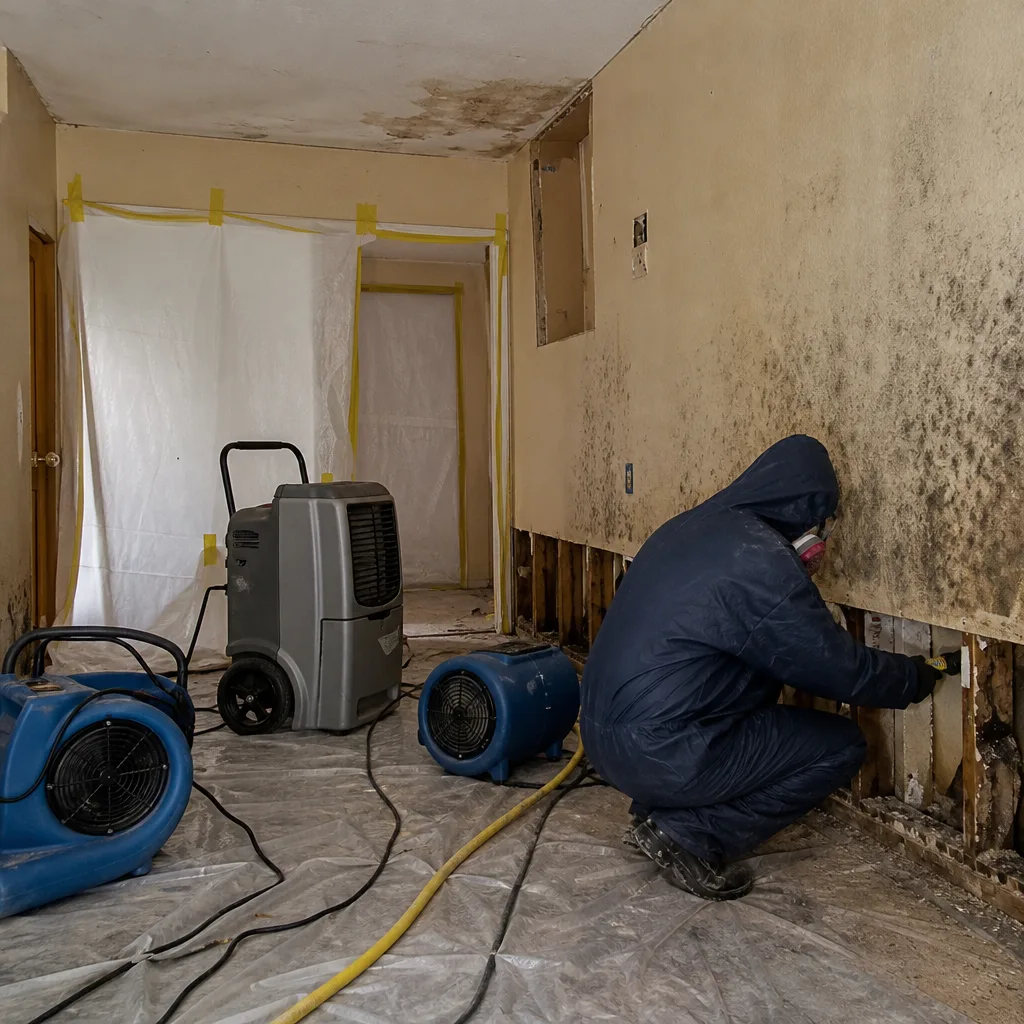 Before
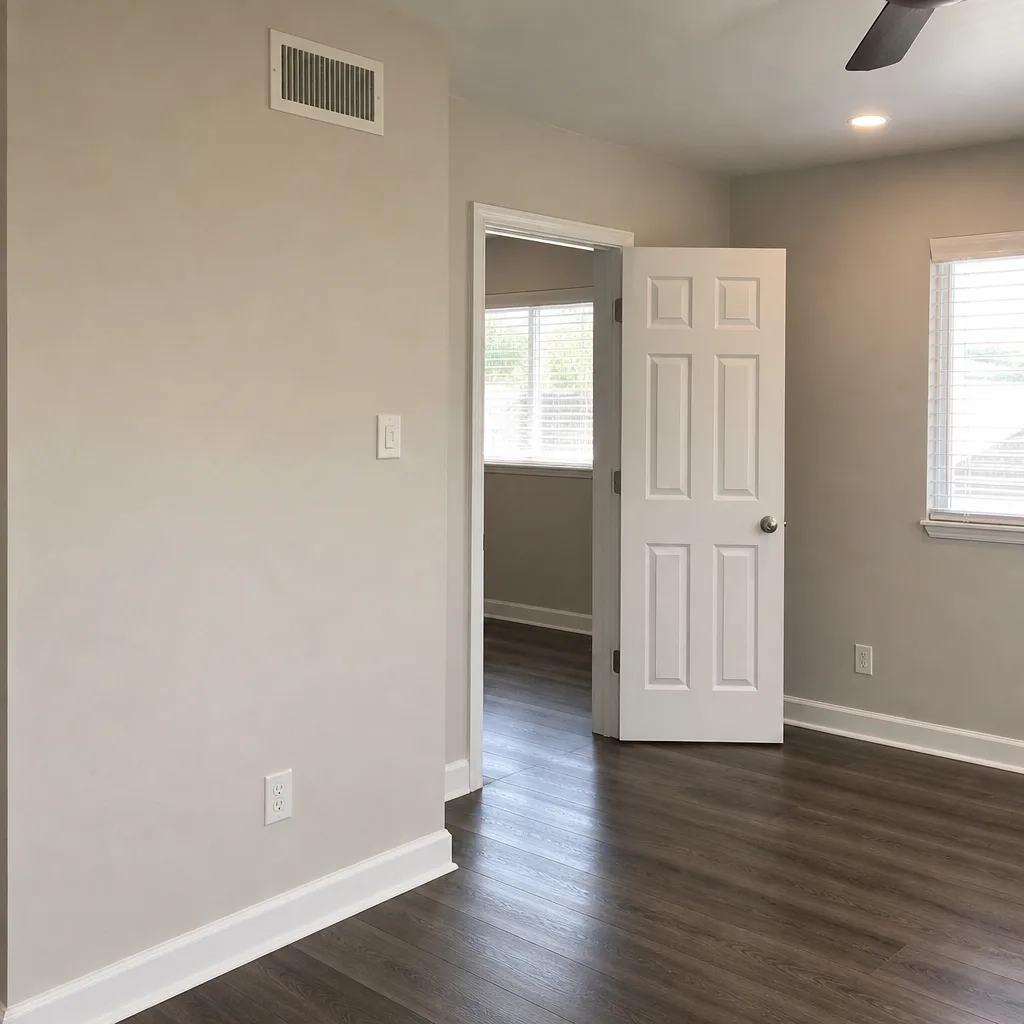 After
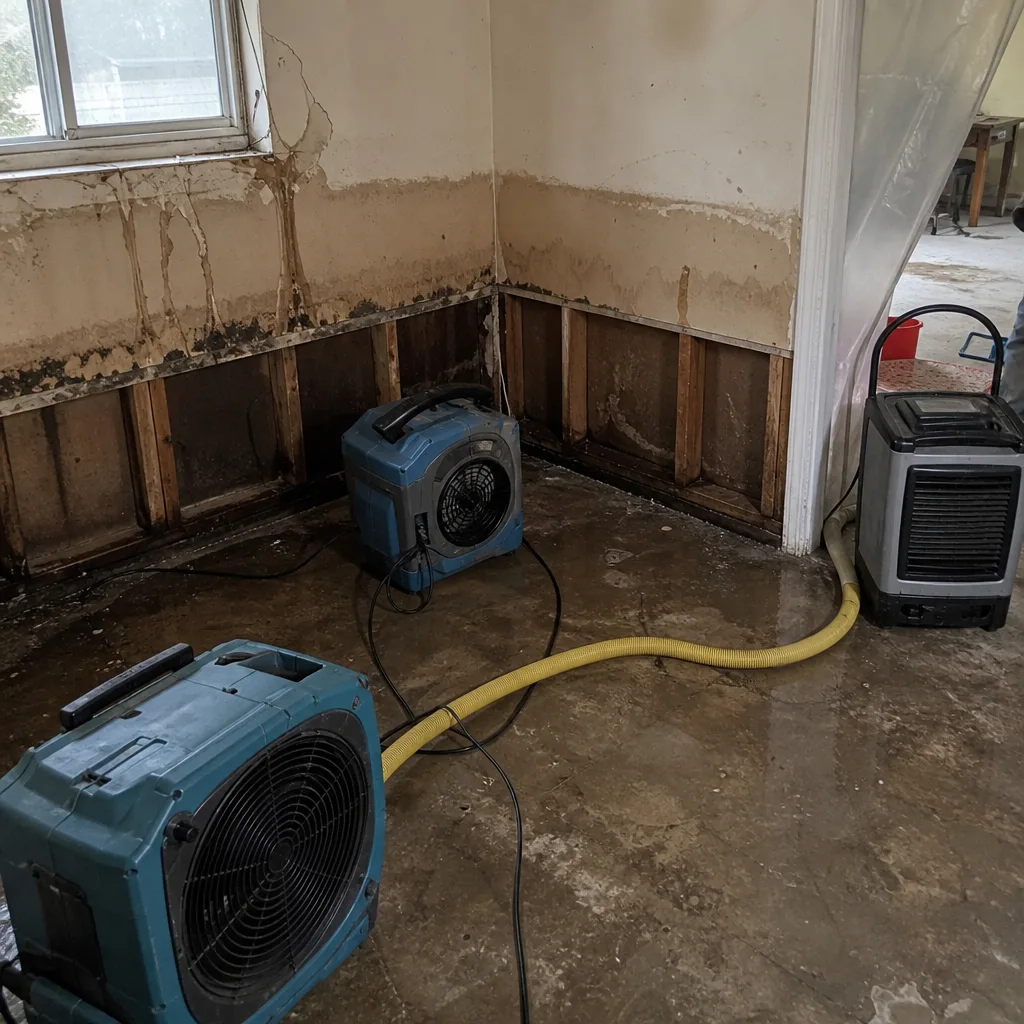 Before
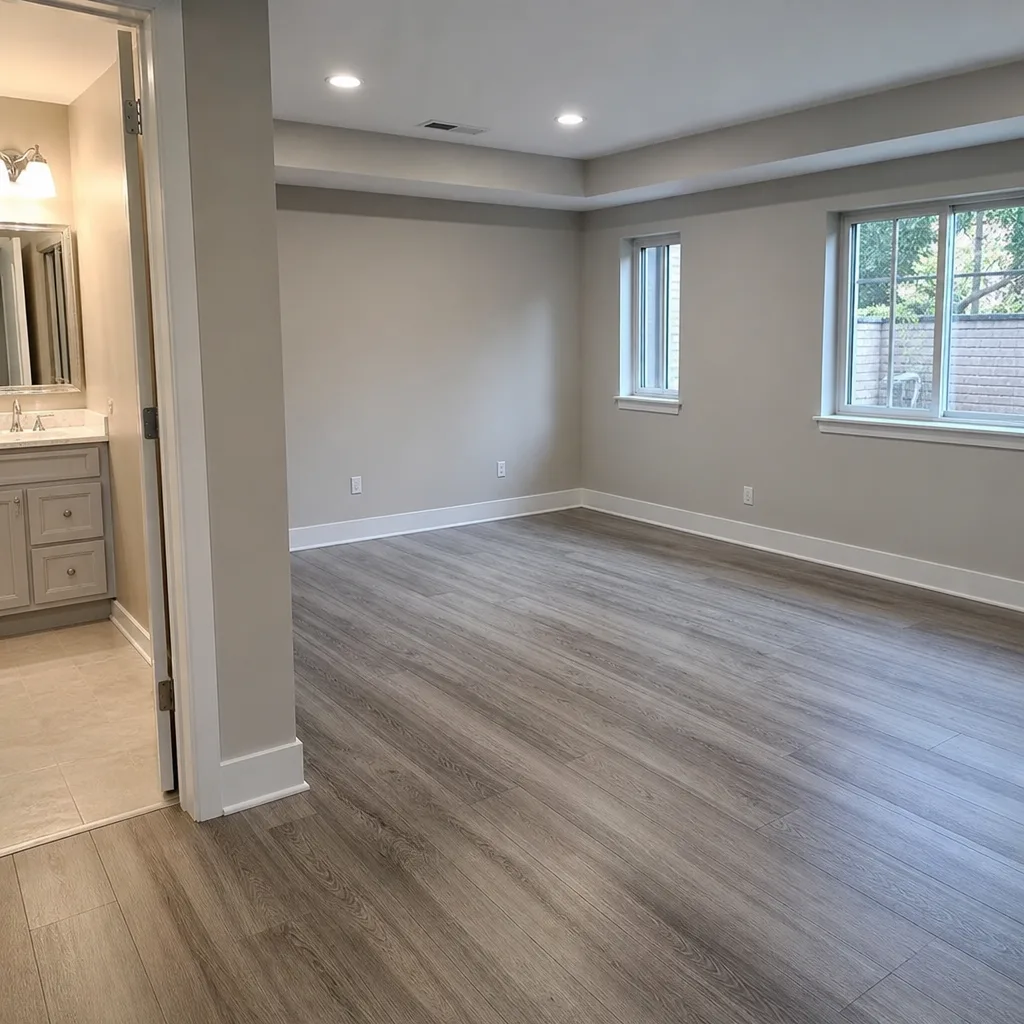 After
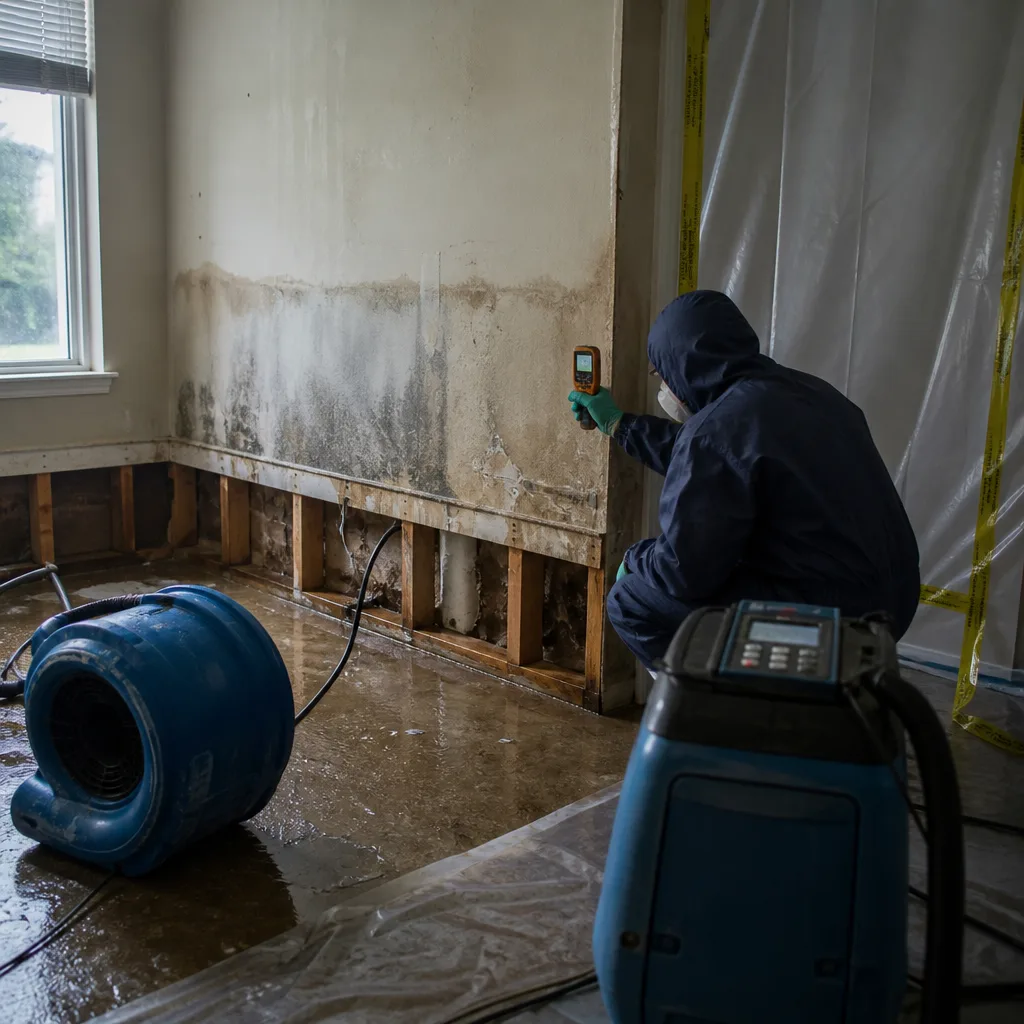 Before
 After