
Last updated October 31, 2026
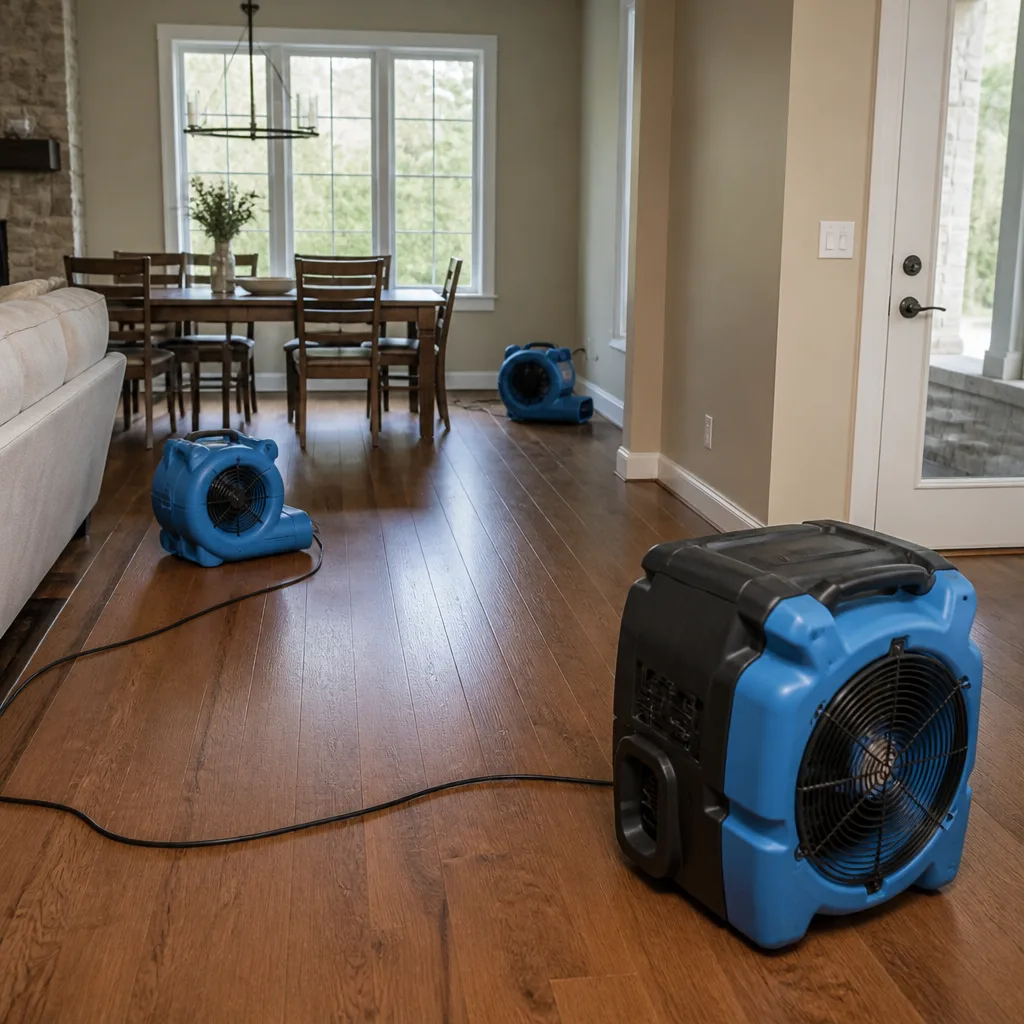 Water damage drying
 Fire & smoke cleanup
 Mold remediation
 Storm response
 Sewage cleanup
 Reconstruction
Free visual inspection and a written scope of work before any mitigation begins - photos, moisture readings, and drying logs go in your claim file
The scope we write is the scope we bill. Anything new gets shown to you, in writing, before we touch it.
Get your free estimateSeasonal Damage Restoration Care for Pomona: Year-Round Homeowner’s Guide
Pomona averages just 17 inches of rain annually, but because it falls in roughly 10-week windows, drainage systems that appear functional sit unloaded for nine months – and fail silently the first time they’re actually needed. That’s the core problem with seasonal damage in this city: the gaps between weather events are long enough for small vulnerabilities to compound undetected. This guide walks through four distinct damage windows specific to Pomona’s climate, what each one does to a home, and the inspection and maintenance rhythm that catches problems before they become restoration projects.
Restoration work we handle
Quick Answer
Pomona homeowners face four distinct seasonal damage windows: Santa Ana wind-driven moisture intrusion in fall, concentrated winter rain causing hydrostatic pressure against foundations, post-rain mold activation in spring, and summer heat stress that degrades caulking and flashing before the first fall rain. Managing each window proactively means inspecting roof penetrations before Santa Ana season, clearing drainage before winter rain, monitoring moisture in previously wet areas within 72 hours of any spring rain, and resealing exterior gaps after peak summer heat. A seasonal inspection rhythm costs a few hours per quarter and prevents most water, mold, and fire-season crossover damage in Pomona.
Table of Contents
- Fall: Santa Ana Winds and Wind-Driven Moisture Intrusion
- Winter: Concentrated Rain and Hydrostatic Pressure
- Spring: The Post-Rain Mold Activation Window
- Summer: Heat Stress, Caulking Failure, and Silent Damage
- Fire Season Crossover: Post-Fire Debris Flow and Flash Flood Risk
- The Seasonal Inspection Rhythm: What to Check and When
- Common Mistakes to Avoid
- When to Call a Professional
- Frequently Asked Questions
- The Bottom Line
Fall: Santa Ana Winds and Wind-Driven Moisture Intrusion
Santa Ana winds in Pomona routinely gust above 60 mph, and they’re not just a fire hazard. They drive moisture horizontally through any gap in a home’s exterior envelope. Window frames, roof penetrations, and compromised stucco all become entry points when wind pressure pushes rain or even ambient humidity sideways against surfaces that were never designed for lateral water exposure. In our experience, the damage from a single strong Santa Ana event often shows up weeks later as peeling paint, warped trim, or a musty smell in a wall cavity that never got visibly wet.
The pre-season inspection points that catch these failures are specific and quick. Roof penetrations – vent stacks, HVAC boots, chimney flashing – should be checked for lifted or cracked sealant. Window frames need attention at the bottom corners where wind-driven rain pools before draining away. Stucco deserves a close look at any hairline crack wider than a dime; wind pressure forces water into those cracks even when rain is light. And don’t overlook garage doors. A garage door that’s slightly misaligned creates a wind channel that can pressurize the entire garage and force moisture into adjacent living spaces.
Pre-Santa Ana Inspection Checklist
- Walk the roofline and check every penetration: vent stacks, HVAC boots, and any satellite or antenna mounts. Look for lifted sealant or exposed fasteners.
- Inspect window frames at bottom corners. Caulk that’s pulled away from the frame by even an eighth of an inch allows wind-driven water entry.
- Examine stucco for hairline cracks. Any crack wider than a dime should be sealed before wind season, not after water has already entered.
- Check garage door alignment. A door that doesn’t seal flush against the frame creates a wind channel that pressurizes the garage and forces moisture inward.
- Look at roof-to-wall transitions. In Pomona’s older housing stock, these junctions are often the first point of failure during sustained wind.
If wind-driven moisture has already entered a wall cavity, the drying approach matters. Non-invasive drying using systems like Injectidry forces dry air directly into wall cavities and subfloors without tearing out drywall. That’s the difference between a two-day dry-out and a two-week demolition and rebuild. The equipment you use determines whether a Santa Ana event becomes a minor inconvenience or a full Water Damage Restoration in Pomona project.
Winter: Concentrated Rain and Hydrostatic Pressure
Pomona’s clay-heavy soils expand when wet and contract when dry. During multi-day winter rain events, the soil around a foundation becomes saturated. Water that can’t drain away builds hydrostatic pressure against foundation walls and under slabs. That pressure is what pushes water through hairline foundation cracks, up through slab joints, and into crawl spaces that stayed dry all summer. The problem isn’t the amount of rain – 17 inches annually is modest – it’s that the rain arrives in concentrated bursts that overwhelm soil absorption capacity.
The drainage systems that matter most in Pomona are the ones that move water away from the foundation footprint. Downspouts that discharge within three feet of the foundation are essentially dumping water directly against the soil that’s already saturated. French drains and surface grading need to carry water at least six feet away. During a multi-day rain event, even a properly graded lot can reach saturation point if the soil is clay-heavy and the rain is sustained. Properties on slopes – common in Pomona’s hillside neighborhoods – face an additional risk: runoff from upslope properties channels across lot lines and loads the downslope foundation with water it never received in the dry season.
What to Check Before and During Winter Rain
- Clear all gutters and downspouts before the first significant rain. A clogged downspout concentrates water at the foundation corner.
- Verify downspout extensions discharge at least six feet from the foundation. Three feet is not enough in clay soil.
- Inspect the soil grade against the foundation. The ground should slope away at roughly one inch per foot for the first six feet.
- Check crawl space vents. In winter, some Pomona homeowners seal vents to keep cold air out, but that traps moisture inside the crawl space. Ventilation matters year-round.
- Monitor the foundation for new cracks or efflorescence (white mineral deposits) after each rain event. Both indicate water movement through the concrete.
When hydrostatic pressure has already forced water into a crawl space or basement, the response needs to be fast and thorough. Professional-grade extraction and drying equipment – Dri-Eaz LGR dehumidifiers, Phoenix air movers, XPOWER axial fans – removes water and moisture at a rate that hardware-store equipment can’t approach. The goal is returning the structure to a verified dry standard, not just wiping up visible water. If moisture remains in the subfloor or wall framing, mold activation follows within days.
Spring: The Post-Rain Mold Activation Window
Mold doesn’t appear the day after a leak. It activates on a timeline. In Pomona’s spring conditions – warming temperatures, residual moisture from winter rain, and the first humid weeks before summer heat arrives – mold spores that landed in a damp wall cavity or subfloor begin colonizing within 24 to 72 hours if moisture remains present. The 72-hour window is the critical one: if a wet area is dried to standard within that window, mold colonization typically doesn’t establish. If it stays wet longer, remediation becomes a question of extent, not prevention.
Previously affected areas deserve the most attention in spring. A wall cavity that got wet during winter rain and was dried with fans but not verified to a moisture standard may look fine on the surface. Behind the drywall, the framing can still be damp enough for mold activation when spring temperatures rise. In Pomona’s older homes, particularly those with original lath-and-plaster construction, moisture can hide in plaster keys and wall cavities for weeks before any visible sign appears on the surface. Musty odor, slight wall discoloration, or peeling paint in a previously wet area in spring are all indicators that activation has already begun.
Spring is also when condensation becomes a factor. Warm days and cool nights create dew points that condense on cold surfaces – crawl space vents, uninsulated pipes, foundation walls. In a crawl space that retained winter moisture, spring condensation adds enough additional moisture to push conditions into the mold activation range. A crawl space that got through winter without visible problems can still develop mold growth in spring because condensation alone provides the moisture spores need. The fix is moisture control: ventilation, vapor barriers where appropriate, and drying any residual construction moisture to a verified standard. For homes that already have visible mold growth, Mold Remediation in Pomona follows a containment-and-removal process aligned with IICRC standards, not a simple surface cleaning.
Summer: Heat Stress, Caulking Failure, and Silent Damage
Pomona summers routinely push temperatures past 95°F, and that heat does specific things to a home’s exterior envelope. Caulking around windows and doors expands during peak heat, then contracts when temperatures drop at night. Over a single summer, that daily expansion-contraction cycle can crack or pull caulking away from the surface it’s sealing. Flashing at roof penetrations behaves the same way: metal expands, sealant stretches, and by September the junctions that kept water out last spring are compromised. The damage is invisible because there’s no rain to reveal it. It stays hidden until the first Santa Ana or winter rain event, when the moisture that gets through the failed sealant becomes a problem.
The summer maintenance window is the cheapest time to address these failures. Caulking and sealant replacement costs a few dollars per linear foot and takes an afternoon. The same repair after water has entered a wall cavity becomes a drying project, a possible mold remediation, and potentially drywall replacement. In Pomona’s real estate market, where many homes were built between the 1950s and 1980s, the original exterior sealants were formulated for a different climate reality. Modern polyurethane and silicone caulks tolerate higher heat without failing, making them a worthwhile upgrade when re-sealing is done.
Summer Heat Damage Checklist
- Inspect all exterior caulking around windows and doors. Look for cracking, pulling away from the surface, or gaps that weren’t there in spring.
- Check roof flashing at all penetrations. Sealant that’s cracked or lifting needs replacement before fall rain arrives.
- Inspect expansion joints in stucco and concrete. These joints are designed to absorb thermal movement; when sealant in the joints fails, water enters the gap.
- Look at exposed wood trim and fascia. Heat-dried wood shrinks, opening gaps at joints where water can enter during fall rain.
- Check irrigation systems. In summer, sprinkler overspray against the foundation or exterior walls adds moisture that compounds with heat stress damage.
Summer is also the season when Pomona homeowners run irrigation systems more aggressively, and overspray against the foundation or stucco creates a localized moisture source that doesn’t exist in other seasons. That moisture, combined with heat-stressed sealant, accelerates degradation. We’ve seen foundation damage in Pomona traced directly to a single sprinkler head that sprayed against a foundation wall every morning for a full summer.
Fire Season Crossover: Post-Fire Debris Flow and Flash Flood Risk
Pomona sits adjacent to foothill terrain, and fire season in the surrounding hills creates a crossover risk that most homeowners don’t factor into their seasonal planning. When wildfire burns hillside vegetation, the soil loses its root structure and becomes hydrophobic – water-resistant. The next significant rain event doesn’t soak into the burned soil; it runs off almost immediately, carrying ash, debris, and sediment downslope. Properties in Pomona’s foothill-adjacent neighborhoods face a flash flood and debris flow risk after fire season that didn’t exist before the burn.
This is a risk that plays out over years, not just the season immediately following a fire. Until vegetation reestablishes on burned slopes, every winter rain event carries higher runoff potential than the same rain would have produced on unburned terrain. For homeowners downslope, the practical implications are drainage capacity and property positioning. Drainage systems sized for normal runoff may be overwhelmed by post-fire debris flow. Channels, culverts, and drains that handled water fine for years suddenly can’t keep up, and the overflow channels into properties that never flooded before.
The crossover also works in the other direction. A home that sustains fire damage – even minor smoke and soot intrusion – has compromised building materials that are more vulnerable to water damage when rain arrives. Fire-weakened roofing, damaged flashing, and burned exterior surfaces don’t shed water the way they did before the fire. Properties that have gone through Fire Damage Restoration in Pomona need seasonal inspection after the restoration to verify that water-shedding surfaces were properly restored, not just cosmetically repaired. We’ve responded to water intrusion in Pomona homes where the entry point traced back to fire damage from a previous season that was never fully addressed.
For homeowners in Pomona’s hillside-adjacent areas, the seasonal checklist after any fire season includes inspecting drainage infrastructure for sediment buildup, verifying that downslope channels are clear, and monitoring the first significant rain event after a fire for signs of debris flow. If runoff water looks muddy or carries debris, the drainage system is being loaded beyond its design capacity, and the property is at risk.
The Seasonal Inspection Rhythm: What to Check and When
Seasonal damage prevention in Pomona is a rhythm, not a one-time project. Each season’s inspection catches the damage mechanisms from the previous season before they become restoration projects. Here’s the quarter-by-quarter framework that works for Pomona’s climate:
Fall (September-October): Pre-Wind and Pre-Rain Inspection
- Check all roof penetrations and flashing for lifted or cracked sealant
- Inspect window and door caulking for summer heat damage
- Clear gutters and downspouts before Santa Ana season
- Verify downspout extensions discharge at least six feet from the foundation
- Inspect stucco for cracks wider than a dime
Winter (December-February): Rain Event Monitoring
- During and after each multi-day rain, check the foundation for new cracks or efflorescence
- Monitor crawl spaces and basements for water intrusion after each significant rain
- Verify that drainage systems are moving water away from the structure during active rain
- Check for water staining on ceilings or walls after each storm
Spring (March-May): Post-Rain Mold Window
- Monitor previously wet areas for musty odor, discoloration, or peeling paint
- Check crawl space humidity levels as temperatures rise
- Inspect condensation-prone surfaces: cold pipes, crawl space vents, foundation walls
- Verify that winter moisture has actually dried, not just been wiped up
Summer (June-August): Heat Stress and Sealant Inspection
- Inspect all exterior caulking for cracking or pulling away from surfaces
- Check roof flashing for heat-degraded sealant
- Inspect expansion joints in stucco and concrete for failed sealant
- Monitor irrigation systems for overspray against the structure
Following this rhythm means catching most damage mechanisms before they require professional intervention. When a problem is caught early, the fix is often a tube of caulk, a downspout extension, or a drainage adjustment. When it’s missed, the same issue becomes a water damage, mold, or structural problem that requires professional drying, remediation, or reconstruction.
Common Mistakes to Avoid
- Assuming a dry summer means a safe winter. Pomona’s heat cycle degrades caulking and flashing invisibly. A home that got through summer without visible damage can still have failed sealants that let water in during the first fall rain.
- Treating downspout extensions as optional. In Pomona’s clay soils, discharging water three feet from the foundation is roughly the same as discharging it against the foundation. Six feet is the minimum for meaningful protection.
- Drying visible water without verifying hidden moisture. A wall cavity can look dry on the surface while framing inside remains damp enough for mold activation. Professional moisture verification matters, especially in previously wet areas.
- Ignoring the 72-hour mold window. Spring mold activation in Pomona typically begins within 24 to 72 hours of moisture exposure in warm conditions. Waiting to see if a wet area “dries on its own” usually means waiting until mold has already established.
- Sealing crawl space vents in winter. Some Pomona homeowners close vents to keep cold air out, but that traps moisture inside. Crawl spaces need ventilation year-round, especially in the weeks after winter rain.
- Neglecting fire-season drainage checks. After any fire in the adjacent foothills, drainage systems that worked fine for years can be overwhelmed by debris-laden runoff. Post-fire drainage inspection matters even for properties that were untouched by the fire itself.
When to Call a Professional
Some conditions indicate a problem that’s already beyond DIY scope. Persistent musty odor that doesn’t resolve with ventilation, water staining that reappears after rain, visible mold growth on surfaces, or efflorescence on foundation walls all signal moisture problems inside the structure, not just on the surface. If water has entered a wall cavity or subfloor, professional-grade drying equipment – Dri-Eaz, Phoenix, XPOWER, B-Air – removes moisture at rates that household fans and dehumidifiers can’t approach. If you’re in Pomona and dealing with any of these conditions, Clean Slate Water Damage offers free estimates. Call (888) 508-8745 to schedule an assessment.
Frequently Asked Questions
Water damage restoration in Pomona typically ranges from $2,500 to $7,500 depending on the extent of water intrusion, the materials affected, and whether structural drying or demolition is required. Small leaks caught early may cost less than $1,000 to address, while a flood event affecting multiple rooms can exceed $10,000. Call (888) 508-8745 for a specific quote – estimates are free and include a written scope before any work begins.
Most homeowners insurance policies in Pomona cover sudden and accidental water damage, including burst pipes, storm-related intrusion, and appliance failures. Gradual damage from lack of maintenance – like a slow leak that persisted for months – is typically excluded or limited. Photo documentation and direct adjuster coordination make the claims process significantly smoother; a restoration company that documents the full extent of damage before and during mitigation helps substantiate the claim.
Most restoration companies serving Pomona can dispatch a crew within hours for active water intrusion, which is critical because the 72-hour mold activation window starts as soon as water enters the structure. Clean Slate Water Damage responds to Pomona calls the same day for active water events, with the goal of extracting standing water and beginning structural drying before mold activation can begin.
The answer depends on what’s behind the visible surface. If moisture has penetrated wall cavities, subflooring, or insulation, surface cleaning won’t address the hidden problem, and mold will reappear. A proper assessment uses moisture meters and sometimes thermal imaging to determine whether the damage is surface-level or structural. If water entered the structure, full drying with professional equipment is the minimum standard, even if the visible damage looks minor.
Most restoration companies in Pomona, including Clean Slate Water Damage, work directly with insurance adjusters to document damage, provide scopes of work, and substantiate claims. The homeowner doesn’t need to translate technical findings to the insurance company – the restoration team’s documentation serves that purpose. Direct insurance billing is available, meaning the claim process is handled between the restoration company and the insurer where applicable.
The biggest overlooked risk is failed caulking and flashing from summer heat stress that goes unaddressed until the first fall rain. Because Pomona’s dry season is so long, the damage is invisible until water actually enters the structure, and by then the drying and restoration costs are significantly higher than the cost of re-sealing would have been. The summer inspection window is the cheapest time to prevent fall and winter water damage.
The Bottom Line
Pomona’s damage season isn’t one season – it’s four distinct windows, each with its own failure mechanisms. Santa Ana winds drive moisture through envelope gaps in fall. Concentrated winter rain builds hydrostatic pressure against foundations. Spring warmth activates mold in areas that never fully dried. Summer heat silently degrades the sealants that keep the next fall’s rain out. A quarterly inspection rhythm catches most of these mechanisms before they become restoration projects. When damage does occur despite prevention, the response needs to be fast and professional – water damage restoration, mold remediation, or fire damage restoration handled by one team using professional-grade equipment and IICRC-aligned processes. The goal is always the same: a verified return to pre-loss condition, not a surface patch that fails again next season.
Written by the team at Clean Slate Water Damage, serving Pomona since 2018.
See the difference
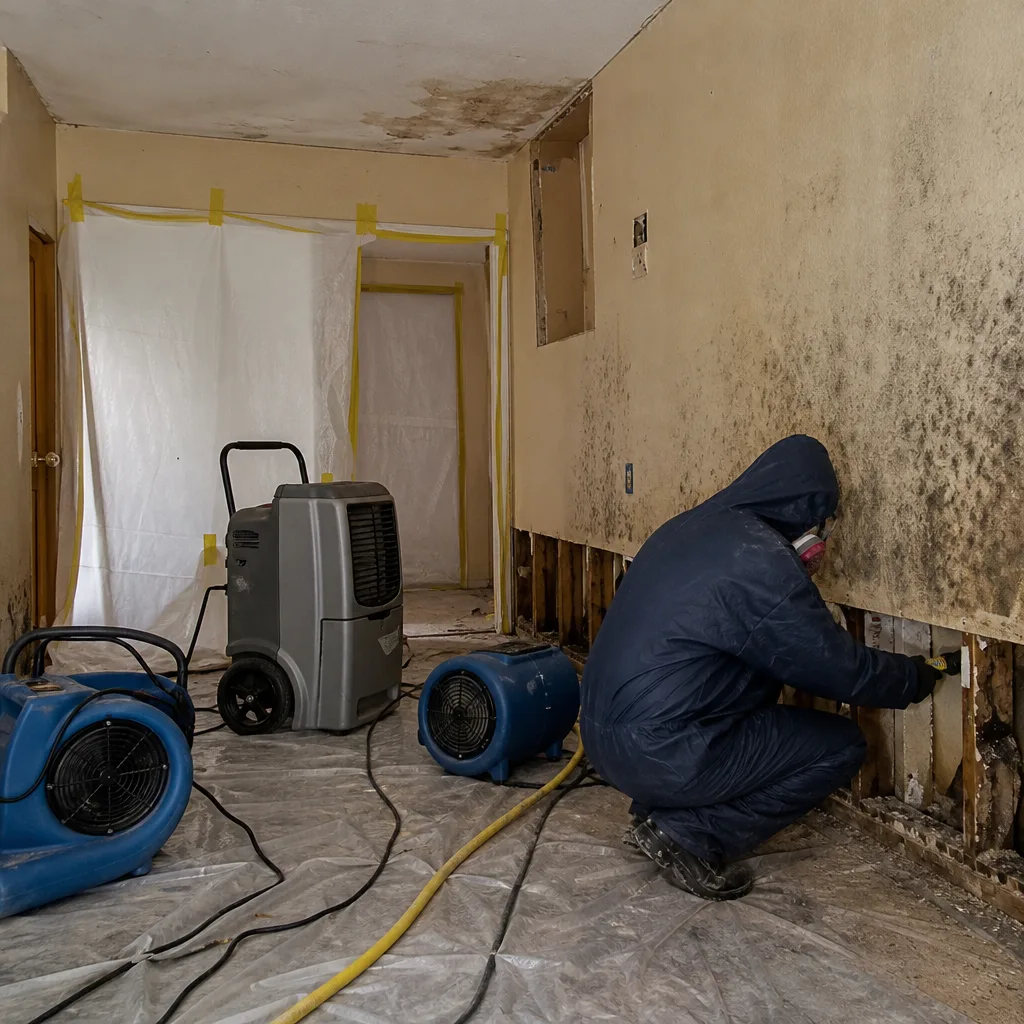 Before
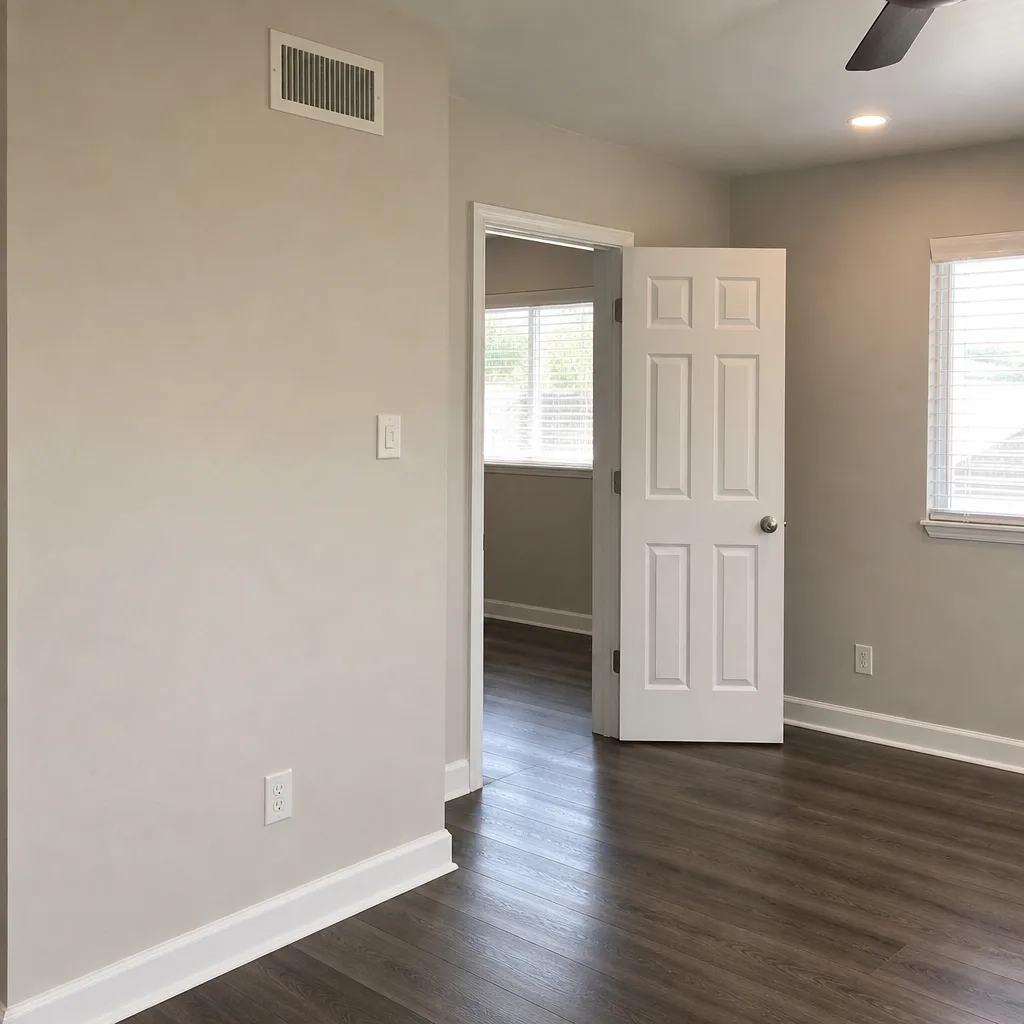 After
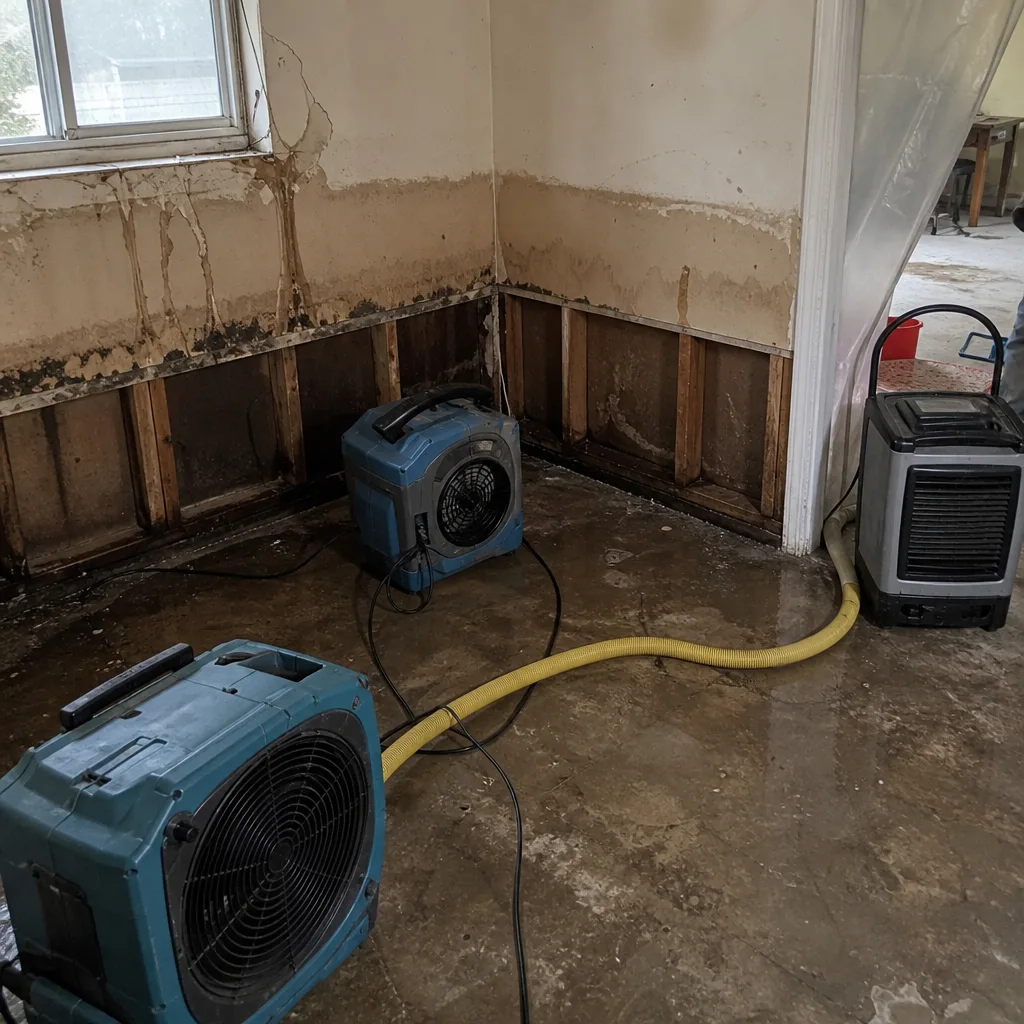 Before
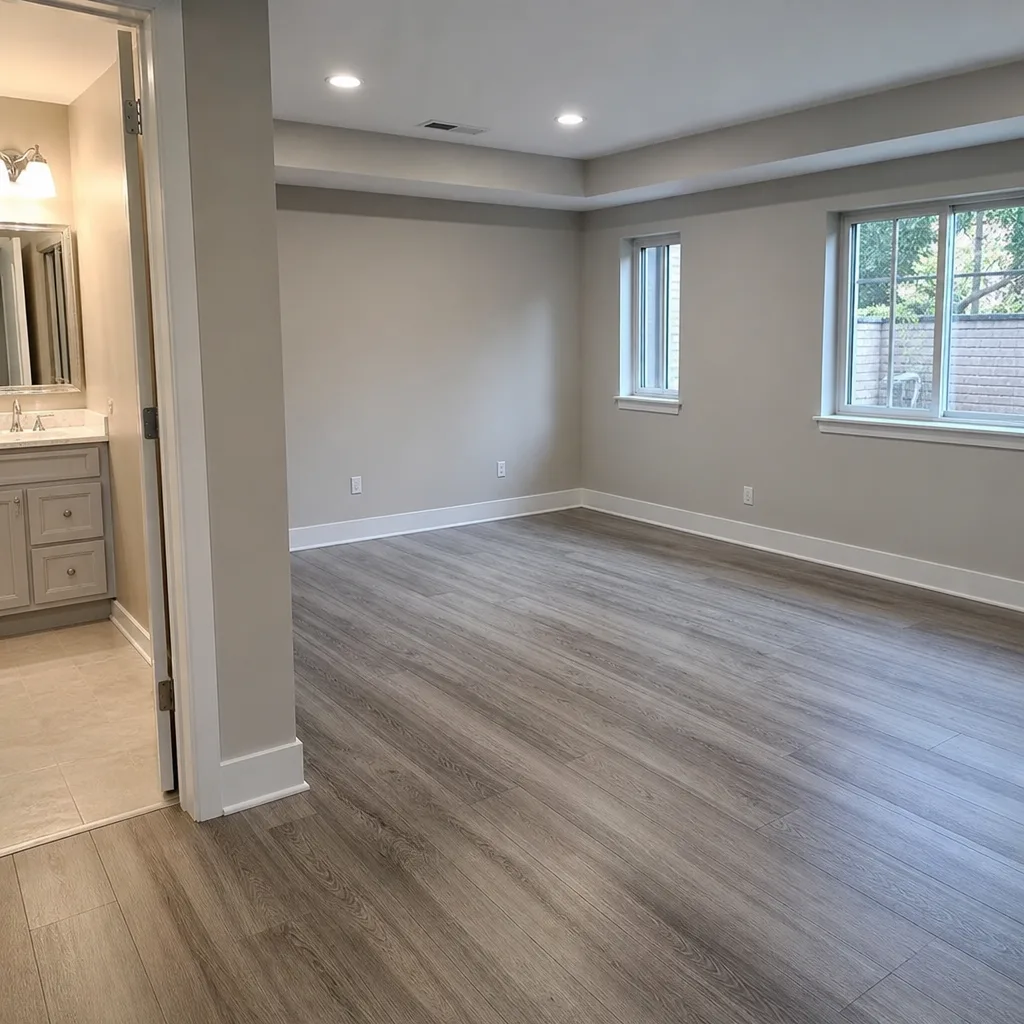 After
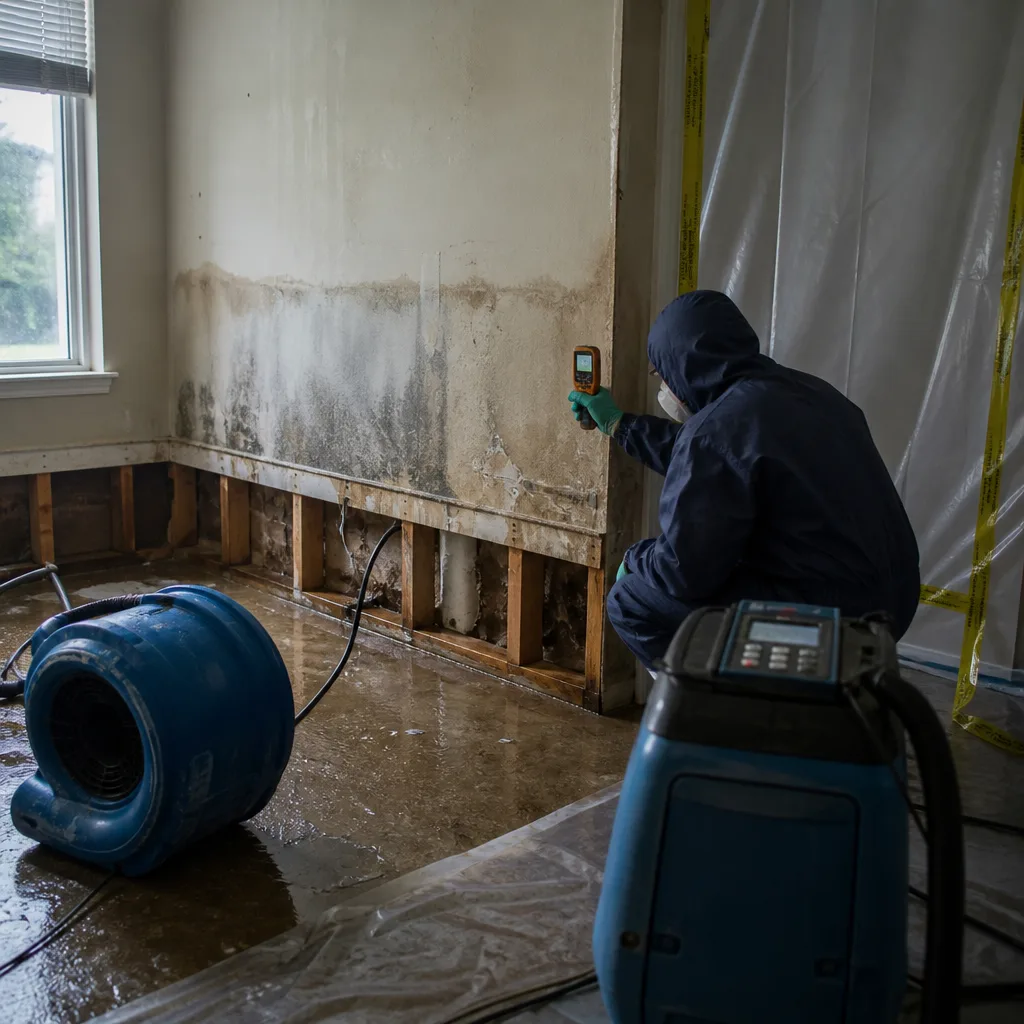 Before
 After