
Last updated October 31, 2026
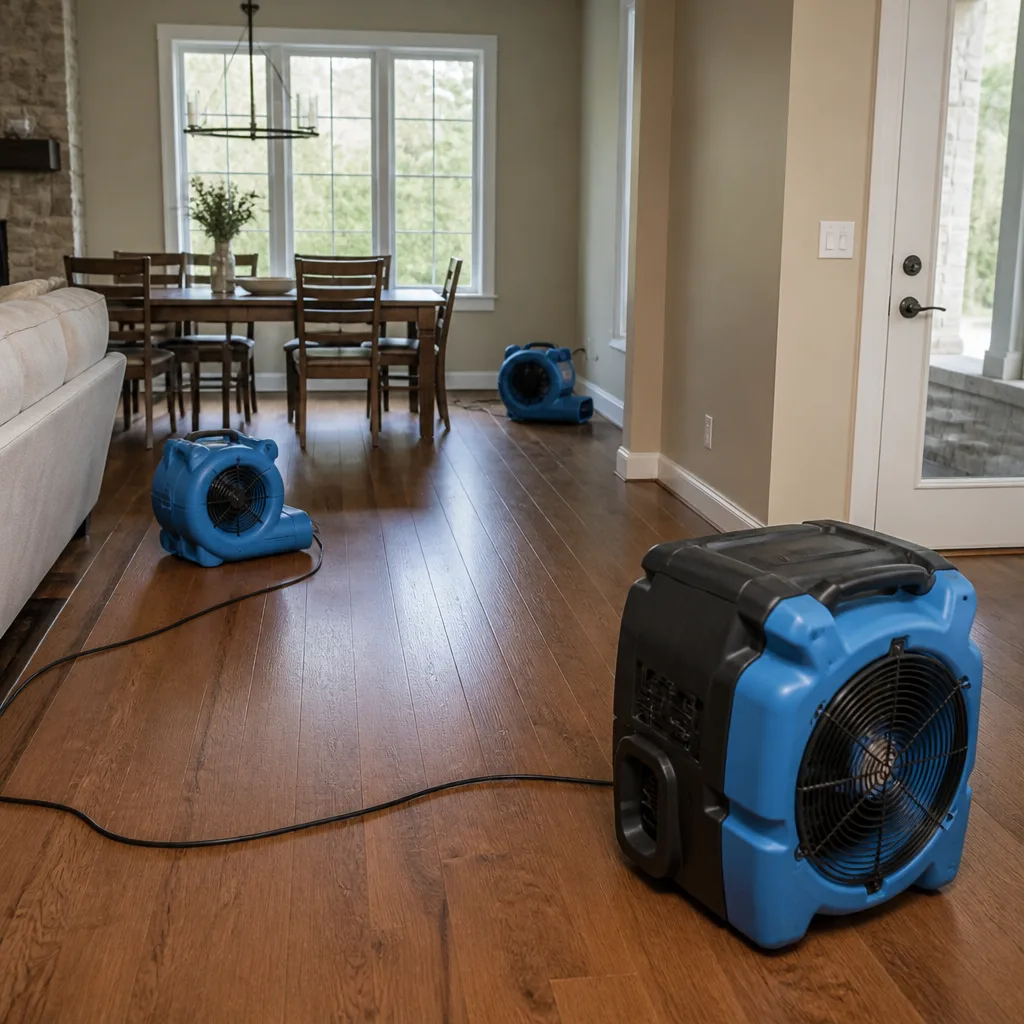 Water damage drying
 Fire & smoke cleanup
 Mold remediation
 Storm response
 Sewage cleanup
 Reconstruction
Free visual inspection and a written scope of work before any mitigation begins - photos, moisture readings, and drying logs go in your claim file
The scope we write is the scope we bill. Anything new gets shown to you, in writing, before we touch it.
Get your free estimateDamage Restoration Warning Signs: A Pomona Homeowner’s Reference Guide
By the time you can see mold, it has typically been growing for 21 to 45 days. The black speck in the corner of your Pomona bathroom isn’t the beginning of the problem. It’s the end of a failure sequence that started weeks earlier with a micro-crack in grout, a slight uptick in your water bill, or a musty note in the hallway you told yourself was just old house smell. This guide is built for homeowners who want to catch damage at the earliest possible signal: the subtle, overlooked indicators that appear long before visible mold, standing water, or a collapsed ceiling. For seasonal damage restoration care for Pomona, check our year-round homeowner’s guide. We’ll walk through the warning signs most common to Pomona’s housing stock, explain what they actually mean, and show you which ones point to a maintenance fix versus a restoration problem that demands a professional response.
Restoration work we handle
Quick Answer
Early warning signs of hidden water damage in Pomona homes include hairline cracks at stucco window corners, paint blistering at sill level, white efflorescence on block or concrete walls, unexplained increases in your water bill, and persistent musty or earthy odors in specific rooms. Any one of these signs can mean moisture is already inside wall cavities or under flooring in Pomona, and two or more signs together indicate active water intrusion or mold growth that needs professional assessment within days, not weeks.
Table of Contents
- Early Indicators Specific to Pomona’s Stucco Homes
- Odor Profiling: What Each Smell Actually Tells You
- Flooring Signals That Hide Under Rugs and Furniture
- Utility Signals: Water Bills, Meters, and HVAC Drainage
- Maintenance Issue vs. Active Damage: A Decision Tree
- Room-by-Room Warning Sign Checklists
- Hidden Warning Signs in Walls, Ceilings, and Attics
- Common Mistakes to Avoid
- When to Call a Professional
- Frequently Asked Questions
- The Bottom Line
Early Indicators Specific to Pomona’s Stucco Homes
A large portion of Pomona’s residential inventory, especially in neighborhoods built between the 1950s and 1980s, uses traditional three-coat stucco over wood framing. Stucco is excellent at shedding direct rain, but it has a specific failure pattern that Pomona homeowners learn to recognize only after the damage is already done. The signs are visible months before water intrusion becomes obvious. Here’s what to look for.
Hairline Cracks at Window Corners
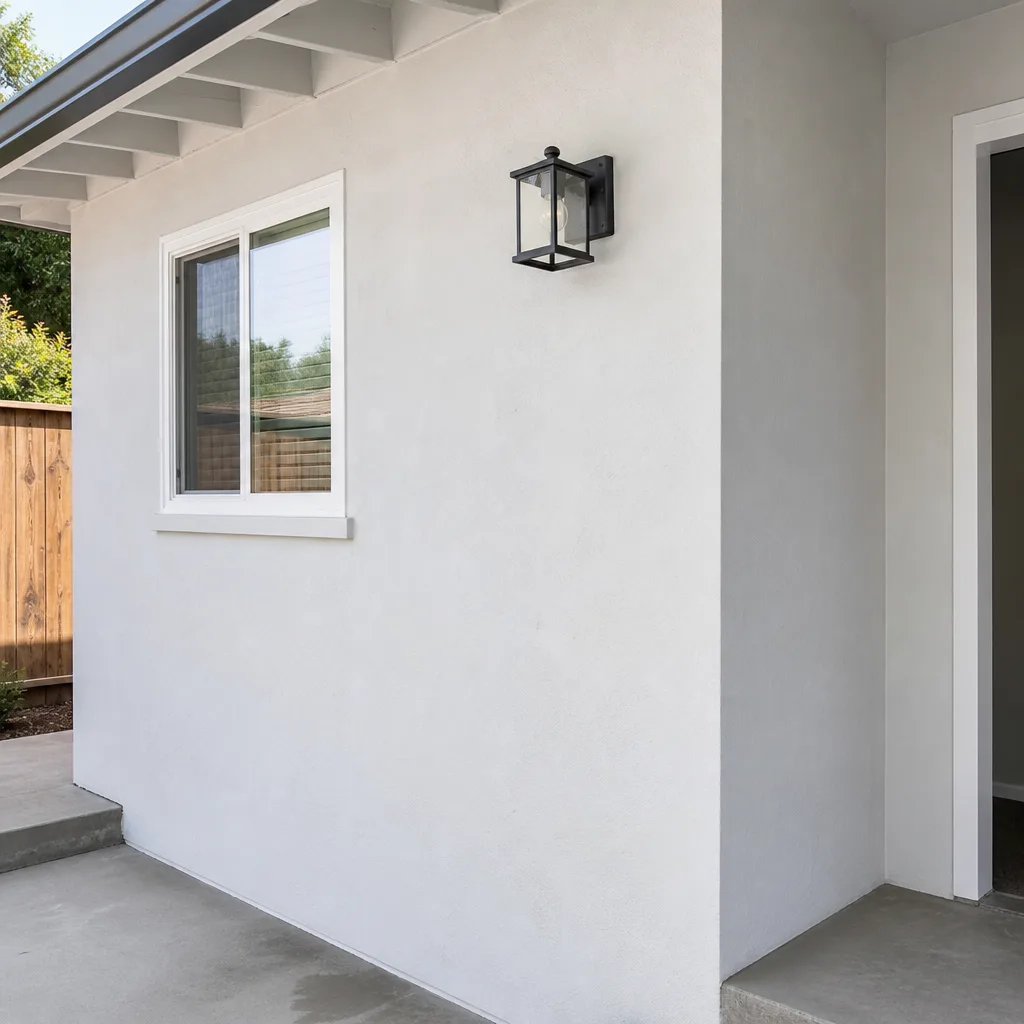
Windows are the single most common water entry point in stucco-clad Pomona homes. When the stucco around a window develops hairline cracks radiating from the corners, it means the building has experienced enough thermal expansion and contraction to break the stucco’s bond at its weakest point. Once a crack opens to even half a millimeter, capillary action draws rainwater directly into the wall cavity behind the stucco. In Pomona’s climate, with its hot dry summers and occasional intense winter rain, the expansion-contraction cycle is aggressive. The cracks may look cosmetic, but they are water highways. A crack at any window corner combined with paint bubbling on the interior sill below is a confirmed moisture problem, not a possibility.
Paint Blistering at Sill Level
Interior paint blisters or bubbles at the bottom of a window frame are an early warning that water is already migrating from the exterior wall into the interior assembly. The blister forms because trapped moisture vapor pushes against the paint film from behind. A Pomona homeowner might notice this first in east-facing windows after winter rain. By the time the blister is visible, the moisture has been present in the wall cavity long enough to lift paint. That timeline, typically weeks, is also long enough for mold spores to germinate in the dark space behind the drywall.
Efflorescence on Block Walls
Efflorescence looks like a white, chalky powder on masonry surfaces. On Pomona homes with concrete block foundation walls, stem walls, or retaining walls, efflorescence is a clear signal that water is passing through the masonry and depositing dissolved salts on the surface as it evaporates. It’s not mold and it’s not harmful on its own, but it tells you exactly where water is moving. If you see efflorescence on an interior block wall or on a garage stem wall, water is present inside the masonry. That water will eventually find its way into framing, insulation, or stored belongings. We treat efflorescence as a moisture mapping clue, not a cosmetic issue to scrub away.
Stucco Staining Below Roof Lines
Dark staining or soft shadowed patches on exterior stucco below roof edges, especially after a rain, can indicate gutter failure or missing flashing. Rainwater that should be carried away from the roofline is instead running down the wall face. Over time, this saturates the stucco and works its way behind the paper backing into the sheathing. Pomona’s older homes with original galvanized gutters are particularly vulnerable. Check the stucco below any gutter seam or downspout connection after the next rain. A wet patch that stays dark hours after the rain has stopped is active bulk water intrusion.
These four indicators, hairline cracks, sill blistering, efflorescence, and stucco staining, are the early warning system Pomona’s housing stock offers. They appear before visible mold, before drywall failure, and before the musty smell that sends most homeowners looking for help. If you see any one of them, note the location and monitor. If you see two or more in the same area, there is active moisture, and a professional assessment is the fastest way to a solution. Our Water Damage Restoration in Pomona page covers what happens after a confirmed water intrusion event.
Odor Profiling: What Each Smell Actually Tells You
Smell is the most reliable early detection tool you have, but most people treat every bad smell as “mold.” In reality, different types of water damage produce distinctly different odors, and learning to differentiate them tells you exactly how urgent the problem is and what kind of contractor you need.
Active Mold: Earthy, Damp, “Wet Forest Floor”
Active mold that is currently growing and releasing spores has a heavy, earthy, organic smell. It’s often described as wet dirt, damp leaves, or a forest floor after rain. The smell is strongest in the room where the mold is growing. If you notice the smell increases when you enter a specific room and fades when you leave, the mold colony is active in that space, typically behind a wall, under flooring, or inside a cabinet. Active mold smell indoors in Pomona is an urgent signal. The IICRC-aligned approach is to locate the moisture source, stop it, and remove the contaminated material. Clean Slate Water Damage handles Mold Remediation in Pomona from containment through clearance testing.
Historical Mold: Flat, Musty, “Old Library”
Historical mold has a flatter, less organic smell. It’s the musty odor of a room that was wet at some point and dried without proper cleaning. Think of an old paperback book left in a garage. Historical mold spores may still be present, but the colony is not actively growing because the moisture source has been removed. This smell is a red flag, not an emergency. It means the area has a history of water exposure and should be evaluated for hidden damage, but it does not indicate active growth. A flat, dry mustiness in a Pomona home with a known past leak may indicate old damage that was never properly remediated.
Sewage Infiltration: Sulfur, Rotten Egg, Sharp Ammonia
Sewage or septic backups have an unmistakably biological, sharp smell. It’s sulfurous, like rotten eggs, and often carries an ammonia edge. This smell means gray water or black water is present somewhere: a broken drain line, a backed-up sewer, a failed wax ring on a toilet. Sewage water carries pathogenic bacteria and requires a fundamentally different remediation approach than clean water. If you smell sewer gas or sewage inside your Pomona home, the situation is urgent for health reasons, not just structural ones. Do not pour bleach on it and wait. The contaminated material needs professional removal with proper containment.
Dry Rot: Sweet, Fungal, Pungent Wood
Dry rot has a distinct smell that many people find oddly sweet or mushroom-like. It’s caused by wood-destroying fungi that thrive in wood with moisture content above 20%. In Pomona’s older wood-framed homes, dry rot often develops in sill plates, roof sheathing, and window framing that have been exposed to slow, long-term moisture. The smell is deeper and more pungent than mold. If you catch a sweet fungal smell near wood, especially near the base of exterior walls or around window frames, you likely have structural wood decay in progress. This is not a surface issue. The affected wood must be identified and replaced by a professional who understands structural load paths.
One final note on odor profiling: nose blindness is real. If you live in the home, your brain filters out persistent smells after about two weeks. The most reliable way to smell your own house is to leave for two or three days and then walk in the front door without opening windows. Your nose is a moisture-mapping tool. Use it.
Flooring Signals That Hide Under Rugs and Furniture
Floors are where moisture collects, and they are also where homeowners are least likely to notice it. Rugs, furniture, and everyday traffic hide the early warning signs. Here are the signals to look for in each flooring type common to Pomona homes.
Cupping Hardwood
Hardwood floors cup when the bottom of each plank absorbs more moisture than the top, causing the edges to rise and the center to sink. The plank becomes concave across its width. Cupping is a clear, unambiguous sign of moisture below or within the wood. In Pomona, hardwood cupping is most commonly seen after a slab leak, a supply line failure, or a drainage issue that went unnoticed. The moisture may be coming from below the floor (a concrete slab in a slab-on-grade home) or from above (a leak that soaked the floor surface). If you run your hand across a hardwood floor and feel ridges at the plank seams that weren’t there before, moisture is present. The fix is not sanding and refinishing while the moisture source remains. The source must be identified and stopped first.
Soft Spots in Laminate
Laminate flooring is constructed from compressed wood fibers with a photographic surface layer. When laminate gets wet and stays wet, the core swells and then softens. A soft or spongy feel underfoot in a laminate floor means the core has been absorbing moisture. By the time you feel softness, the material is typically beyond salvage, and what matters is what’s underneath. In a Pomona home with a concrete slab foundation, moisture in laminate often signals a slab leak or flooding that migrated under the flooring. The laminate itself is a loss, but the real question is what’s happening in the concrete and the wall cavities around the wet area.
Grout Discoloration in Tile Over Concrete Slab
Tile over concrete slab is common in Pomona, especially in homes built after 1970. Water intrusion through a slab or below tile is invisible until it shows up in the grout lines. Grout that darkens, stays damp after the surrounding area has dried, or develops white mineral staining is telling you that moisture is moving through the slab or the mortar bed. In some cases, the tile itself will start to lift or “tent” as the moisture causes expansion. If you notice grout in one specific area staying dark or developing a white crust, there is water below that section of floor. The source could be a slab leak, a gradient issue with exterior drainage, or a drain line break under the slab.
Persistent Dampness at Carpet Edges
Carpet edges along exterior walls can stay damp for two reasons: either exterior water is wicking through the wall and into the carpet pad, or a plumbing leak is saturating the pad from below. In either case, a damp carpet edge that does not dry within a day of cleaning or rain is a warning sign. The pad underneath carpet is a sponge. It absorbs moisture, holds it against the subfloor, and creates ideal conditions for mold growth in a place you cannot see. If you notice a corner of carpet that feels cool or damp underfoot in Pomona, even when the weather is dry, investigate the wall and floor below it.
Flooring signals are often the first physically confirmed indicator a homeowner gets that something is wrong. The problem is that they are hidden under rugs or interpreted as “old floor” wear. A cupped hardwood floor or darkened grout line is not wear. It’s moisture. And moisture inside a building envelope in Pomona rarely corrects itself. If you find flooring signals, call for an assessment before the damage spreads into the structural framing below.
Utility Signals: Water Bills, Meters, and HVAC Drainage
Your water meter and your water bill are twenty-four hour moisture detection devices that you already pay for. They just need to be read correctly. Here’s how to use them.
Unexplained Water Bill Increases
A water bill that spikes 20% or more without a corresponding change in household activity is a red flag. In Pomona, where water rates have risen steadily and summer irrigation can mask small leaks, many homeowners miss the signal. The first step is to compare the current bill to the same month the previous year, adjusting for any known changes: new landscaping, additional household members, a pool fill. If the increase cannot be explained, there is a leak somewhere in your system. It may be as simple as a running toilet flapper, or it may be a slab leak that is flowing water directly into your foundation. A single dripping faucet wastes about 3 gallons per day. A slab leak can waste 10,000 gallons a month and cause structural damage while doing it.
Running Meter with All Fixtures Off
The most direct test you can perform is the water meter check. Pick a time when no one will use water for at least two hours, including toilets, washing machines, dishwashers, and ice makers. Note the meter reading. Wait two hours without using any water. Note the reading again. If the meter has moved, water is flowing somewhere in your system. This test cannot fail unless the meter is broken. If the meter moves and you haven’t used water, you have a leak. The question is only where: under a slab, inside a wall, in the irrigation line, or at the service connection. A moving meter combined with any other warning sign in this guide confirms active water intrusion.
HVAC Drainage Pan Activity
Your air conditioning system produces condensate every time it runs. In Pomona’s hot summer months, the AC is running constantly, and all of that condensate drains either to the exterior or into a plumbing connection. If you notice water in the emergency drain pan under your indoor air handler, or if you see water stains on the ceiling below an attic-installed unit, the primary condensate line is clogged. The water is overflowing and being redirected, which means it’s finding a new path through your ceiling, walls, or floor. An active, dripping drain pan is not something to monitor. It’s something to fix this week. Every day the line is clogged, gallons of water are being deposited somewhere in your home that wasn’t designed to receive it.
Sump Pump or French Drain Activity Changes
If your Pomona home has a sump pump or a French drain system, pay attention to how often it runs. A sump pump that runs constantly means groundwater is building up against your foundation, which is a drainage problem at the foundation level. A sump pump that never runs, but cycles on suddenly after rain, means the system is working but the water table or drainage gradient has shifted. Any change in the normal pattern is a warning sign. Foundation water in Pomona’s older neighborhoods with expansive clay soils can cause structural movement, not just water damage. A sump pump that fails during a rain event is a flooding emergency waiting to happen.
Utility signals are the most objective warning signs in this guide because they are based on measured data, not subjective perception. A water bill that climbed has climbed. A meter that moved has moved. A drain pan that overflowed has overflowed. When these signals appear, they usually mean water has been moving in your home for days or weeks already. The professional-grade tools we use on every assessment, including moisture meters and thermal imaging, are designed to find what the meter and the bill are already telling you: water is moving where it should not be.
Maintenance Issue vs. Active Damage: A Decision Tree
Not every warning sign requires a restoration company. Some are maintenance items that any homeowner can address with caulk, a wrench, or a call to a handyman. Others signal active water intrusion that will worsen until the moisture source is stopped and the affected materials are dried or removed. See our DIY vs Professional Damage Restoration: The Pomona Homeowner’s Decision Guide for help deciding which path fits your situation. Here’s the decision framework.
First, answer a single question: Is water actively entering the building or the building envelope right now?
- Visible water or active dripping. If you see water that is currently flowing, dripping, or pooling, this is active intrusion. Call a professional. The clock is running on structural damage and mold germination. Every hour of active water flow expands the affected area.
- Damp materials that stay damp. If a wall, floor, or carpet area remains damp to the touch for more than 48 hours after the last exposure to water, moisture is being held inside building materials. This is active damage even without visible flow. The moisture source is still present or the materials are saturated and not drying. Professional drying is needed.
- Odor that is strong and persistent in one room. A localized, strong musty or earthy smell indicates active microbial growth. This is active damage. The mold colony is alive and releasing spores. Remediation is needed, not just cleaning.
- Stains that grow over time. A water stain on a ceiling or wall that is getting larger, darker, or developing new rings means water is still entering. Active damage. Stop the source first, then assess the extent.
- Stains that are dry and stable, with no odor. A stain that has not changed, has no accompanying odor, and is dry to the touch may be historical damage. Monitor it. If it changes at all, move to active damage status. If it remains stable, it’s a cosmetic repair item that can be addressed during routine maintenance.
- Small hairline crack in stucco with no interior signs. This is a maintenance item that should be sealed, but the interior should be checked for hidden moisture first. If the interior is dry and the crack is sealed properly with elastomeric sealant, you’ve prevented future damage. If the interior shows any sign of moisture, refer to item 2.
- Efflorescence on an exterior wall only. Efflorescence on exterior masonry is a maintenance signal. Improve drainage away from the wall and seal the masonry surface. Efflorescence on an interior wall, floor, or slab is a sign of active moisture movement through the building envelope and should be professionally assessed.
The distinction between maintenance and damage comes down to time and location. Maintenance items are addressed on your schedule. Damage items are addressed on the schedule the moisture is setting, which is faster than most homeowners expect. If you’re not sure which category your warning sign falls into, err toward calling for an assessment. A professional evaluation early in the sequence costs a fraction of what full remediation costs after the damage has advanced. For details on what professional Water Damage Restoration in Pomona includes, see our service page.
Room-by-Room Warning Sign Checklists
Warning signs cluster differently depending on the room. Here is a room-by-room reference for what to look for and what each signal means in context.
Bathrooms
- Grout cracks at tub, shower, or tile corners: Water enters through the smallest crack and migrates behind the tile. By the time tiles loosen or fall, the wall cavity behind them has been wet for months.
- Soft or discolored baseboard at the toilet: A failed wax ring allows water to seep under the toilet base. The baseboard nearby will stain, soften, or develop a musty odor first.
- Discoloration on the ceiling below a bathroom: In a two-story Pomona home, a bathroom leak shows up as a ceiling stain in the room below before it shows up in the bathroom itself.
- Musty smell around the vanity: Slow leaks from supply lines or drain connections under the vanity saturate the cabinet base and the wall behind it. The smell is the first signal; wood swelling is the confirmation.
Kitchens
- Dishwasher leaks showing under the unit: Water leaking from a dishwasher supply or drain line pools under the unit and wicks into the surrounding cabinetry and the subfloor below.
- Refrigerator water line condensation or leakage: The plastic supply line to the ice maker is a frequent failure point. Look for water staining on the floor behind or beside the refrigerator.
- Sink base cabinet swelling at the bottom: Swollen, dark-stained wood at the bottom of the sink cabinet means a drain or supply leak has been active long enough to saturate the cabinet base. The wall behind it is often wet as well.
- Floor softening near the kitchen sink or dishwasher: Water that reaches the subfloor weakens it. If the floor feels soft or flexes when you step near the sink, there is a concealed leak that has been running for an extended period.
Garages and Basements
- Efflorescence on garage stem walls: Moisture is moving through the concrete block foundation. The source is typically exterior: poor drainage, irrigation overspray, or a rising water table.
- Musty smell in a garage with no visible water: Water is trapped in stored items, drywall, or the concrete slab itself. Garages that lack ventilation hold moisture and develop odor problems without obvious wet spots.
- Water heater drip or puddling: A slow leak at the water heater supply connection or pressure relief valve releases water onto the garage floor. In a garage with a water heater on a raised platform, the leak can migrate under the platform invisibly.
- Rust on metal shelving or tool surfaces: Excessive or unusual rust on metal items in a garage indicates chronically high humidity, which often means water is entering the garage structure and evaporating slowly over time.
Attics
- Dark staining or discoloration on roof sheathing: Roof leaks first show as dark patches on the underside of the roof decking. If you get into your attic after a rain and see wet or stained sheathing, the roof is leaking.
- Condensation on attic framing or insulation: Insufficient attic ventilation in Pomona’s summer heat causes warm, moist air to condense on the cooler framing members. Over a season, this condensation soaks insulation and causes mold growth on the underside of the roof decking.
- Dripping or staining around attic HVAC equipment: Attic-installed air handlers with clogged condensate lines overflow and saturate the ceiling below. The first sign in the attic is standing water in the drain pan or water stains around the unit.
- Daylight visible through the roof decking: If you can see light coming through the roof boards or plywood, water can enter through the same opening. This is a direct roof leak, not a subtle signal.
This room-by-room reference works best as a seasonal exercise. Walk each space in your Pomona home once in the spring and once in the fall, before and after the rainy season. The walk takes twenty minutes. It catches problems months before they become emergencies.
Hidden Warning Signs in Walls, Ceilings, and Attics
Some warning signs are invisible from the living space and can only be detected through secondary signals or by looking in the unfinished parts of the home. Here is what hides, and how to detect it indirectly.
Wall Cavity Moisture
Water inside wall cavities shows itself through a handful of indirect signals: paint bubbles or blisters appearing in an isolated area, drywall tape separating at seams, wallpaper peeling in a localized patch, or a section of wall that feels cooler than the surrounding surface. In Pomona homes with stucco exteriors, wall cavity moisture is often the result of window or flashing failures that deliver water directly into the framing without wetting the visible interior surface first. The Injectidry system we use is specifically designed for this situation: it forces dry air directly into wall cavities and subfloors through small access points, drying the structural framing without tearing out the entire wall. That approach, dry without demolition, is the fastest path to a verified pre-loss condition when the moisture is caught early enough. Our Clean Slate Water Damage home page has more information on how we approach structural drying.
Ceiling Stains That Appear Without Warning
A ceiling stain with no apparent source above it is one of the most confusing warning signs for homeowners. In a single-story Pomona home, a ceiling stain always traces to something above: a roof leak, a plumbing line in the attic, or condensation from an AC unit. In a two-story home, a ceiling stain on the first floor traces to a fixture or pipe on the second floor. The stain itself may be small, but the affected area in the ceiling cavity is typically larger than the visible stain. Water spreads horizontally through drywall before it saturates enough to show through. A stain the size of a dinner plate often means an affected area two to three times that size inside the ceiling assembly.
Attic Moisture and Condensation
Attic condensation in Pomona occurs most often in homes with inadequate ventilation and high indoor humidity. The moisture condenses on the cool underside of the roof decking, drips onto the insulation, and creates the conditions for mold growth on the wood surface. The first signs are visible during a quick attic inspection: darkening of the roof sheathing, insulation that looks matted or compressed, and a general feeling of dampness in the attic air. If you notice any of these, improve attic ventilation and have the affected materials assessed. Mold on roof sheathing can spread quickly and affect indoor air quality throughout the home.
Behind Cabinets and Vanities
The space behind kitchen cabinets and bathroom vanities is effectively invisible space. Water that leaks from a supply line or drain connection behind a cabinet is absorbed by the cabinet back panel and the wall behind it with no visible signal on the front of the cabinet. The first indication is often a subtle buckling of the cabinet’s interior base, a faint smell when you open the door, or a slight bowing of the back panel. In older Pomona homes with original cabinetry, this space has often been wet at least once. If you smell mustiness in a cabinet, or if the interior bottom is darkened or warped, the cabinet needs to be pulled away from the wall for an inspection of the cavity behind it.
Below-Grade and Crawlspace Signals
Homes with crawlspaces or below-grade areas have an entire warning system hidden under the floor. Crawlspace moisture shows up as condensation on ductwork, a musty smell that rises through the floor, and in advanced cases, visible fungal growth on the floor joists from below. The crawlspace is the first place to look when a Pomona home develops a persistent musty odor with no visible source, or when hardwood floors begin cupping without an apparent leak. Ground moisture, especially after rain, wicks up through the soil and into the floor framing. A vapor barrier and proper ventilation are the minimum corrections; structural drying may be needed if the framing has already absorbed moisture.
Hidden warning signs are the reason we lead with professional-grade detection equipment. A Dri-Eaz moisture meter will find water in a wall cavity that has no visible sign on either surface. A thermal imaging camera shows temperature differentials that indicate moisture presence inside building assemblies. The tools are the difference between guessing and knowing, and knowing is the difference between a small, targeted dry-out and a full-scale demolition. That’s what professional-grade restoration equipment, the same approach we bring to every Fire Damage Restoration in Pomona project, makes possible.
Common Mistakes to Avoid
- Painting over water stains without addressing the source. A fresh coat of paint over a water stain is a cosmetic patch over an active problem. The stain will return, usually larger and with mold behind it. The moisture source must be stopped and the affected area dried before any cosmetic work happens.
- Using a household fan to dry a water event and calling it done. Household fans move air across surfaces, but they do not extract moisture from building materials. The surface feels dry, but the wall cavity, subfloor, or insulation remains saturated. Professional drying uses equipment purpose-built for moisture extraction and vapor removal, including LGR dehumidifiers that pull water from air and structure simultaneously.
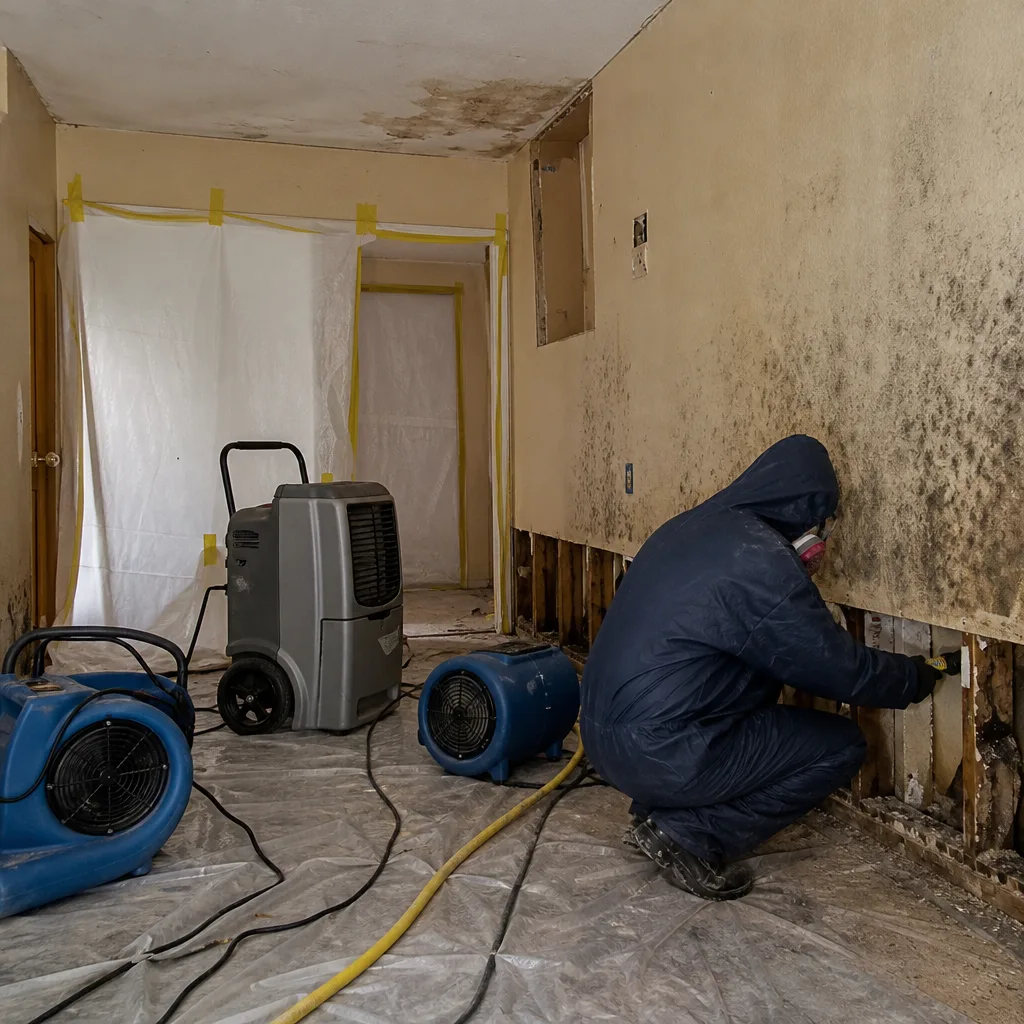
- Treating mold with bleach and scrubbing. Bleach kills surface mold on non-porous materials but does not kill mold inside porous materials like drywall, wood, or carpet pad. Worse, scrubbing releases spores into the air, spreading the contamination. Mold remediation requires containment, air filtration, and removal or verified treatment of all affected materials, not surface cleaning.
- Assuming a small stain means a small problem. Water spreads horizontally through building assemblies before it saturates enough to show on the visible surface. The visible stain is the tip of the affected area. A small stain usually means a larger wet zone hidden in the wall or ceiling cavity.
- Waiting to see if a smell goes away on its own. Musty or earthy smells never resolve without addressing the underlying moisture. The smell fades only when you become nose-blind to it. The mold colony is still there, still growing, and still releasing spores.
- Not documenting damage before cleanup begins. Insurance claims depend on documentation. Photos of the affected areas before any demolition or cleaning are essential for a successful claim. A restoration company that provides photo-documented assessments and direct insurance coordination makes the process easier, but every homeowner should take their own photos at first discovery as well.
- Sealing a crack from the outside without checking the inside. A stucco crack may be the entry point for water that has already reached the wall cavity. Sealing the crack traps the moisture inside. The interior should be checked for moisture before any exterior sealant is applied.
When to Call a Professional
Call a professional restoration company when you have confirmed water intrusion, when you smell active mold, when you have water staining that is growing or multiplying, when you have a sewage backup, or when you have multiple warning signs in the same area of the home. If you are experiencing any of these conditions in Pomona, a professional assessment will tell you the extent of the damage, the source of the moisture, and the scope of work needed to return the building to pre-loss condition. Learn how to hire a damage restoration contractor in Pomona with our step-by-step guide. Clean Slate Water Damage offers free estimates in Pomona. Call (888) 508-8745 to schedule an assessment. The earlier you call, the smaller the affected area, the lower the cost, and the faster the recovery. If you’re not sure whether your situation is a maintenance issue or active damage, calling is the most efficient way to find out.
Frequently Asked Questions
Early signs include hairline cracks at stucco window corners, paint blistering at interior window sills, efflorescence on block walls or concrete, unexplained increases in your water bill, a running water meter with all fixtures off, and persistent musty or earthy odors in specific rooms. Any of these signals means moisture is present somewhere in the building envelope, even if you can’t see it yet. Call (888) 508-8745 for a free estimate if you see two or more of these signs together.
Active mold has a heavy, earthy, damp smell, like wet dirt or a forest floor. Historical mold has a flatter, more musty smell, like an old book. Sewage has a sharp, sulfurous, ammonia smell. Dry rot has a sweet, fungal, wood smell. Active mold and sewage smells require professional attention; historical mustiness may be old damage that was never properly remediated and should still be evaluated. Call (888) 508-8745 for a professional odor assessment.
Yes, a visible ceiling stain usually represents a larger wet area inside the ceiling cavity, because water spreads horizontally through drywall before it saturates enough to show on the surface. The stain is the visible portion of a hidden problem. Any ceiling stain should be investigated for its source and the extent of the affected area, even if it looks small. Call (888) 508-8745 for a free estimate on assessment and drying.
A small mold patch on bathroom tile or caulk may be a surface issue that cleaning can address, but mold on drywall, baseboards, or in wall cavities indicates a moisture source inside the wall and requires professional remediation. Do not scrub mold on porous surfaces; the spores will become airborne. The affected materials need to be removed or treated under containment, and the moisture source must be stopped. Call (888) 508-8745 for a mold assessment.
In most cases, yes, homeowner’s insurance covers sudden and accidental water damage and the mold remediation that follows, but each policy has specific exclusions and limits. The key is documentation: photos before any cleanup, a clear scope of work from a professional restoration company, and prompt filing. Clean Slate Water Damage coordinates directly with adjusters and provides photo-documented assessments to support your claim. Call (888) 508-8745 to discuss your situation.
How fast can a restoration company respond to a Pomona water emergency?
At Clean Slate Water Damage, emergency response is available now, and a live dispatcher can schedule an assessment immediately. Water damage
See the difference
 Before
 After
 Before
 After
 Before
 After