Last updated October 31, 2026
 Water damage drying
 Fire & smoke cleanup
 Mold remediation
 Storm response
 Sewage cleanup
 Reconstruction
Free visual inspection and a written scope of work before any mitigation begins - photos, moisture readings, and drying logs go in your claim file
The scope we write is the scope we bill. Anything new gets shown to you, in writing, before we touch it.
Get your free estimateThe Complete Guide to Damage Restoration in Pomona
Most restoration callbacks in Pomona happen not because the work was skipped, but because it was done out of sequence. Drywall goes up before moisture readings confirm structural dryness. A coat of paint hides mold that’s still alive in the stud cavity. A contractor “finishes” a fire job without addressing smoke odor trapped in the HVAC system. This guide maps every phase of genuine damage restoration, explains why the order of operations is non-negotiable, and shows you what verified completion actually looks like. For a deeper dive, see The Complete Water Damage Restoration Guide for Pomona Homeowners. We’ll cover water, mold, and fire, how they interact, and what Pomona’s specific climate does to each one.
Quick Answer
Damage restoration in Pomona is a sequenced, multi-phase process: emergency mitigation, structural drying, demolition, and rebuild. It typically begins with extraction and containment, requires documented moisture or contamination readings before reconstruction starts, and ends with clearance verification. Cutting any phase short or performing steps out of order is the single biggest cause of recurring damage, insurance disputes, and failed inspections. For related planning guidance, see our Damage Restoration Emergency Preparedness Guide for Pomona Homes.
Restoration work we handle
Table of Contents
- The Real Sequence: Why Order Matters
- Pomona’s False-Dry Effect: What Inland Heat Hides
- Water Damage Restoration: The Full Arc
- Mold Remediation: What S520 Actually Requires
- Fire Damage Restoration: The Overlooked Contaminants
- The Documentation Trail: What “Verified” Looks Like
- How to Read a Scope of Work
- Navigating Insurance on a Pomona Claim
The Real Sequence: Why Order Matters
Restoration is a process, not a service. That distinction is the difference between a property that’s actually returned to pre-loss condition and one that fails six months later. Here’s the sequence, in the order it must happen:
- Emergency mitigation: Stop the source, extract standing water, remove unsalvageable debris, contain the affected area. This happens within hours of the loss.
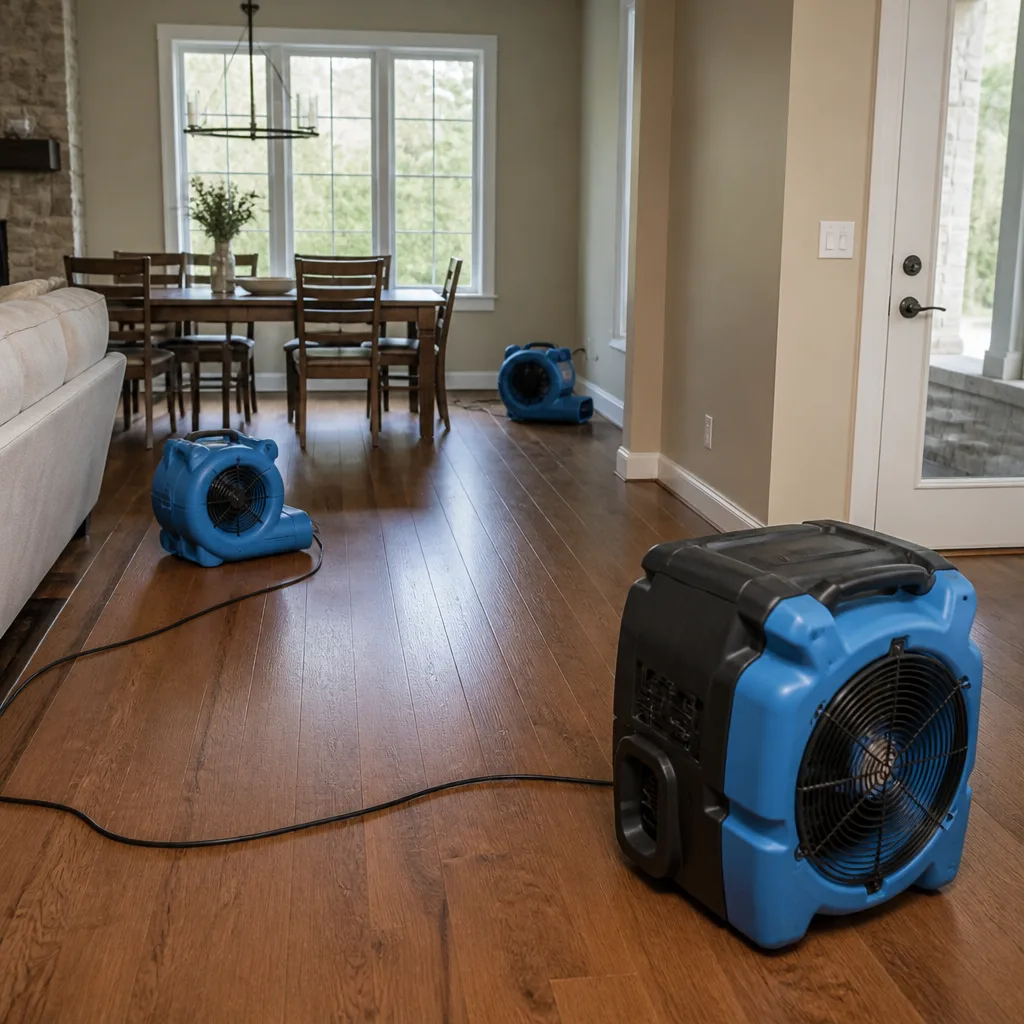
- Structural drying: Professional-grade air movers and dehumidifiers run until moisture readings in walls, subfloors, and framing return to an acceptable baseline. This can take 3 to 7 days, sometimes longer in Pomona’s older construction.
- Demolition: Only after drying targets are met do crews remove materials that cannot be restored. If demolition happens before drying, you’ve just exposed more surface area and spread contaminated moisture further.
- Rebuild: Replacement of drywall, flooring, cabinetry, and finishes, followed by painting and final detail work.
Here’s what goes wrong when the sequence is inverted: a contractor tears out wet drywall on day one, then sets fans in open stud bays without a moisture map. The exposed cavities dry unevenly. The contractor replaces drywall because the visible surface feels dry. Months later, a musty odor appears. The mold grew in the one corner that never reached the drying target. The insurance company has closed the claim. You’re paying out of pocket.
We’ve walked into Pomona homes where this exact scenario played out. The homeowner had a receipt for “full restoration” and a growing mold problem behind new baseboards. The work was performed. It was just performed out of order.
Clean Slate Water Damage operates on the full sequence under one roof. Our Clean Slate Water Damage home page outlines how we handle the entire cycle, from first extraction to final clearance.
Pomona’s False-Dry Effect: What Inland Heat Hides
Pomona sits in the Pomona Valley, inland enough that summer temperatures regularly push past 95°F with single-digit humidity. That specific climate profile creates a problem restoration professionals call the false-dry effect. Here’s how it works.
Warm, dry air pulls moisture from exposed surfaces rapidly. The top layer of drywall, the surface of a subfloor, the face of a stud all feel dry to the touch within a day or two of water damage. A homeowner or an inexperienced contractor interprets that as “the damage is drying out.” But the moisture inside the wall cavity, beneath the subfloor, behind the vapor barrier, that moisture is trapped. In fact, Pomona’s dry exterior air can actually slow interior cavity drying by creating a vapor pressure differential that keeps moisture locked in dense materials.
This is why professional-grade drying equipment matters. A Dri-Eaz LGR dehumidifier isn’t just a more powerful fan. It’s a system engineered to create the right vapor pressure gradient so moisture moves from inside materials to the air, where it’s captured. Coupled with proper airflow from Phoenix air movers, the drying process becomes measured and deliberate rather than passive.
The false-dry effect is also why moisture meters and thermal imaging matter. A surface can feel bone dry while a moisture meter reads 28% in the framing behind it. Most building materials are considered dry when moisture content drops below 12-16%, depending on the material. That number is not negotiable, and it’s not guessable by touch.
In older Pomona neighborhoods, like Wilton Heights or Lincoln Park, many homes have lath-and-plaster walls instead of drywall. Plaster holds moisture differently. It can look dry for weeks while the wood lath behind it is saturated. If a contractor is not actively testing moisture content with multiple reading points, they’re guessing. And guessing in restoration means callback failures.
Water Damage Restoration: The Full Arc
Water is the most common damage event in Pomona. Burst supply lines, water heater failures, appliance leaks, and the occasional storm intrusion all create the same urgent condition: standing water, soaked materials, and a fast-spreading problem. Our Water Damage Restoration in Pomona service page goes deeper into this topic, but here’s the full arc of a proper restoration.
Hour one through twenty-four: mitigation. This is extraction. Standing water is removed using submersible pumps and truck-mounted or portable extraction units. Carpet padding is discarded, not saved. Baseboards are pulled if the water line reached them. Containment barriers go up to prevent contaminated air from reaching unaffected rooms. The goal is to stop the damage from spreading.
Day one through five: structural drying. This is where equipment matters. We run a calculated layout of air movers and dehumidifiers. The number of units isn’t arbitrary. It’s based on the cubic footage of the affected area, the class of water damage, and the materials involved. For wall cavities and subfloors, the Injectidry system forces dry air directly into the cavity, drying the interior of the wall without ripping out the drywall. That’s non-invasive drying, and it’s unavailable to most generalist contractors in Pomona.
Day three through seven: verification. Daily moisture readings are logged. Drying targets are set at the beginning of the job and confirmed at the end. The job is not done when the equipment has run for a certain number of days. It’s done when the readings show dry. That’s the only acceptable endpoint.
Final phase: rebuild. Once drying is verified, materials that can’t be restored are replaced. This includes drywall that has wicked water, cabinetry that has swollen, and flooring that has delaminated. A written scope of work details exactly what gets replaced and why.
One thing Pomona homeowners should understand clearly: water damage restoration and mold remediation are separate disciplines. They often overlap, but if a contractor says “we’ll just dry it and paint it” after a Category 2 or Category 3 water loss, you’re being offered mitigation, not restoration. The difference matters.
Mold Remediation: What S520 Actually Requires
Mold is the most misunderstood of all restoration topics. Half the industry treats it as a cleaning problem. The other half treats it as a structural issue. The truth is that mold remediation is a controlled, contained, scientifically driven process defined by the IICRC S520 standard. Proper Mold Remediation in Pomona follows a specific protocol, and cutting corners on any step means the mold comes back.
Here’s what S520 actually requires, in practical terms:
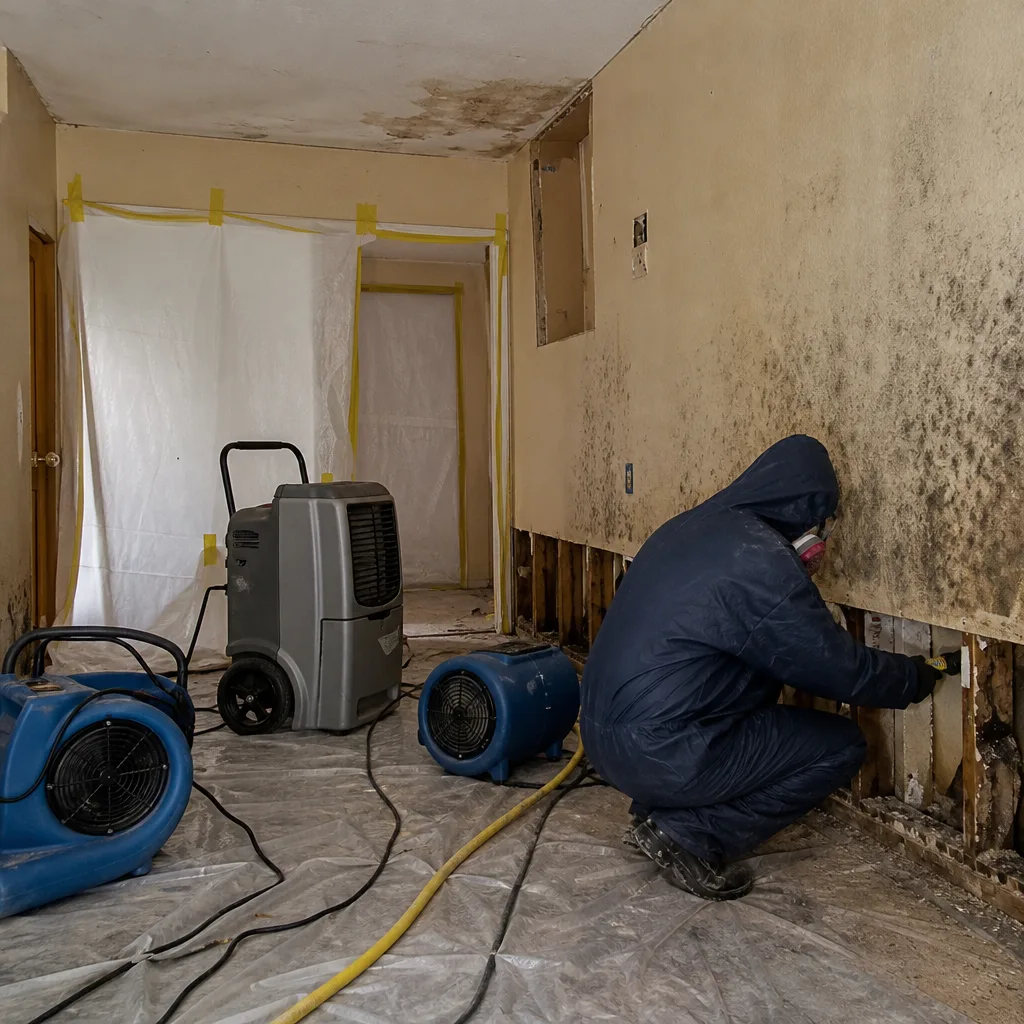
- Containment. The affected area is isolated with physical barriers and negative air pressure. This prevents mold spores from spreading to unaffected rooms during the remediation process. If your contractor doesn’t set up containment, they’re not doing remediation. They’re doing a cleaning.
- Source removal. Mold is physically removed from materials, not killed. Dead mold is still a contaminant and still triggers allergic responses. The source material is physically scrubbed, sanded, or removed entirely if it’s porous and saturated. Drywall, insulation, and carpet with visible mold colonization are typically removed, not treated.
- HEPA vacuuming. All surfaces are vacuumed with HEPA-filtered vacuums designed to capture particles as small as 0.3 microns. This is a final-step cleaning that removes loose spores and dust.
- Verification. Clearance testing is performed after remediation. Air samples and surface samples should show mold levels consistent with normal outdoor background levels. If the readings don’t clear, the job isn’t finished.
The biggest mistake we see in Pomona mold jobs is treatment without containment. A contractor sprays the visible mold with a bleach solution, wipes it off, and calls it done. Mold spores have already spread. The source of moisture hasn’t been addressed. The colony is still alive inside the wall. Within weeks, it’s back, usually worse.
Mold remediation also requires addressing the underlying moisture problem. If the mold is caused by a slow leak in a bathroom wall, removing the mold without fixing the leak is cosmetic. In Pomona’s older housing stock, particularly homes built before 1980, hidden plumbing leaks in wall cavities are a common root cause of recurring mold.
Fire Damage Restoration: The Overlooked Contaminants
Fire damage restoration is more than boarding up windows and replacing burned framing. A fire produces a cocktail of contaminants that spread far beyond the burn zone. Smoke, soot, and the chemicals created by burning synthetics travel through the entire structure, into wall cavities, into the HVAC system, into every porous surface. Here’s what a full Fire Damage Restoration in Pomona process actually addresses.
Soot removal. Soot is acidic and corrosive. It etches glass, stains walls, and degrades metals within days of a fire. It must be removed from every surface, including the backs of drawers, the insides of cabinets, and the tops of door frames. Soot removal is not a wipe-down. It requires specialized sponges, chemical agents, and in many cases, media blasting for heavy deposits.
Smoke odor elimination. Smoke odor is not a surface issue. It’s a penetration issue. Smoke molecules infiltrate porous materials: drywall, insulation, wood, carpet, fabric. Spraying air freshener or running an ozone machine for a few hours doesn’t remove the source. Complete odor removal requires thermal fogging, ozone treatment, or hydroxyl generation, combined with removal of the most saturated materials. If you can still smell smoke on a humid day, the job wasn’t finished.
HVAC contamination. The HVAC system acts as a distribution network for smoke particles during and after a fire. Duct cleaning, and sometimes duct replacement, is part of complete fire restoration. In Pomona, where air conditioning runs for months of the year, contaminated ducts recirculate smoke odor and soot particles through the house indefinitely.
Water damage from firefighting. The water used to extinguish the fire creates a secondary damage event. Firefighting water is typically mixed with chemicals, soot, and debris. The same drying and dehumidification processes used in water damage restoration apply here, but they must happen alongside soot and odor remediation. The two processes run in parallel, not in sequence.
The Documentation Trail: What “Verified” Looks Like
Verified restoration leaves a paper trail. If a contractor cannot produce documentation, the work was not verified. It was performed. There’s a difference. Here’s what a complete documentation package includes:
- Initial moisture readings. A moisture map of the affected area, taken before any equipment is placed. This establishes the baseline and drives the drying plan.
- Daily drying logs. Recorded readings from every monitoring point: moisture meters in walls and floors, temperature and humidity readings, equipment placement adjustments. These logs demonstrate that structural drying is progressing as planned.
- Drying target confirmation. The moment when readings show that materials have reached their acceptable moisture content range. This is the point at which demolition and rebuild can begin.
- Scope of work. A written document detailing what will be removed, what will be replaced, what the rebuild will include, and the estimated cost. Insurance companies require this. So should you.
- Clearance testing. For mold remediation, post-remediation air and surface samples that show mold levels consistent with the outdoor environment. For water damage, final moisture readings that demonstrate the structure is dry.
- Photo documentation. Before, during, and after photos of every affected area. This is also what makes the insurance claim smoother.
We run our projects in Pomona with photo-documented assessments at every phase. Not because it’s impressive. Because it’s what the IICRC standard expects and what a thorough insurance claim requires.
How to Read a Scope of Work
A scope of work is the single most important document in the restoration process. It defines what the contractor will do, what materials will be used, and what the word “done” actually means. Reading one critically is a skill. Here’s what to look for.
Specificity. A real scope says things like “remove and replace drywall in west bedroom wall from floor to 4 feet, approximately 240 square feet.” A vague scope says “repair water damage in bedroom.” The more specific the scope, the more likely the contractor has actually assessed the damage and thought through the job. A vague scope is an invitation for surprise change orders.
Drying language. Does the scope mention moisture readings, drying targets, and verification? Or does it just say “dry affected area”? A scope that includes measurable endpoints is a scope built on process. A scope without measurements is built on guesswork.
Mold language. If mold is present, does the scope mention containment, negative air pressure, and clearance testing? Or does it say “treat mold” or “clean mold”? The words matter. Treatment and cleaning are not remediation.
Fire language. Does the scope address smoke odor in the HVAC system? Does it include structural cleaning of the entire affected area, not just the burn zone? A fire scope that only addresses the visibly burned areas is incomplete.
Rebuild specificity. Does the scope list the materials to be used for replacement? Paint grade, flooring type, trim profile? If the rebuild section is thin, the contractor may be planning to do the minimum acceptable work, not true pre-loss restoration.
A scope of work that skips documentation, uses vague language, or rushes from mitigation to rebuild without a drying plan is a red flag. In Pomona, where restoration demand is steady and the contractor market is competitive, a detailed written scope is the best protection against a patch-and-paint job disguised as full restoration.
Navigating Insurance on a Pomona Claim
Most restoration work in Pomona is insurance-adjacent. Even when a homeowner pays out of pocket, the process originated with a loss event that insurance would typically cover. Here’s what to know about navigating the claims process.
Documentation supports your claim. Insurance adjusters work from evidence. A restoration contractor that provides moisture logs, dry-out records, and photo documentation gives your adjuster the information they need to approve a claim. A contractor that says “we’ll just take care of it” without documentation makes your claim harder to process.
Direct adjuster coordination helps. We coordinate directly with insurance adjusters on Pomona claims. That includes providing documentation, answering questions about the scope of work, and ensuring the adjuster has access to what they need. You shouldn’t be the middleman between your contractor and your insurance company.
Full restoration, not minimum repair. Insurance policies typically cover restoration to pre-loss condition, not the cheapest possible repair. A scope of work that reflects actual pre-loss condition, rather than code minimums, is often fully coverable. A contractor that under-scopes the work is doing you a disservice, not a favor.
If you’re in the middle of a claim and not sure whether the proposed scope is complete, call us. We provide free estimates in Pomona and can review what’s being proposed.
Common Mistakes to Avoid
- Skipping the moisture verification. The surface feels dry. The wall cavity isn’t. In Pomona’s dry climate, this is the most common mistake. Always insist on documented moisture readings before rebuild begins.
- Treating mold with bleach. Bleach kills surface mold. It doesn’t remove the colony, doesn’t address the source of moisture, and doesn’t meet the IICRC S520 standard. Mold treated with bleach comes back, usually worse.
- Hiring a general contractor for mold remediation. General contractors build things. Mold remediation is a contamination control discipline. The processes are different, the equipment is different, and the standards are different.
- Rushing the rebuild after a fire. The visible burn damage is addressed. The smoke odor in the walls and HVAC system is ignored. Six months later, the house still smells like a fire. Complete fire restoration addresses the invisible contaminants.
- Not documenting the damage before cleanup starts. Once you start removing materials, the evidence is gone. Photo documentation before any work begins is essential for insurance claims and for your own protection.
- Accepting a verbal scope of work. If it’s not in writing, it wasn’t agreed to. Verbal scopes lead to surprise charges, incomplete work, and disputes. A written scope protects both parties.
- Ignoring the source of the moisture. You dried the carpet. But the leak that caused the damage is still leaking. Restoration without source correction is temporary. The damage will return.
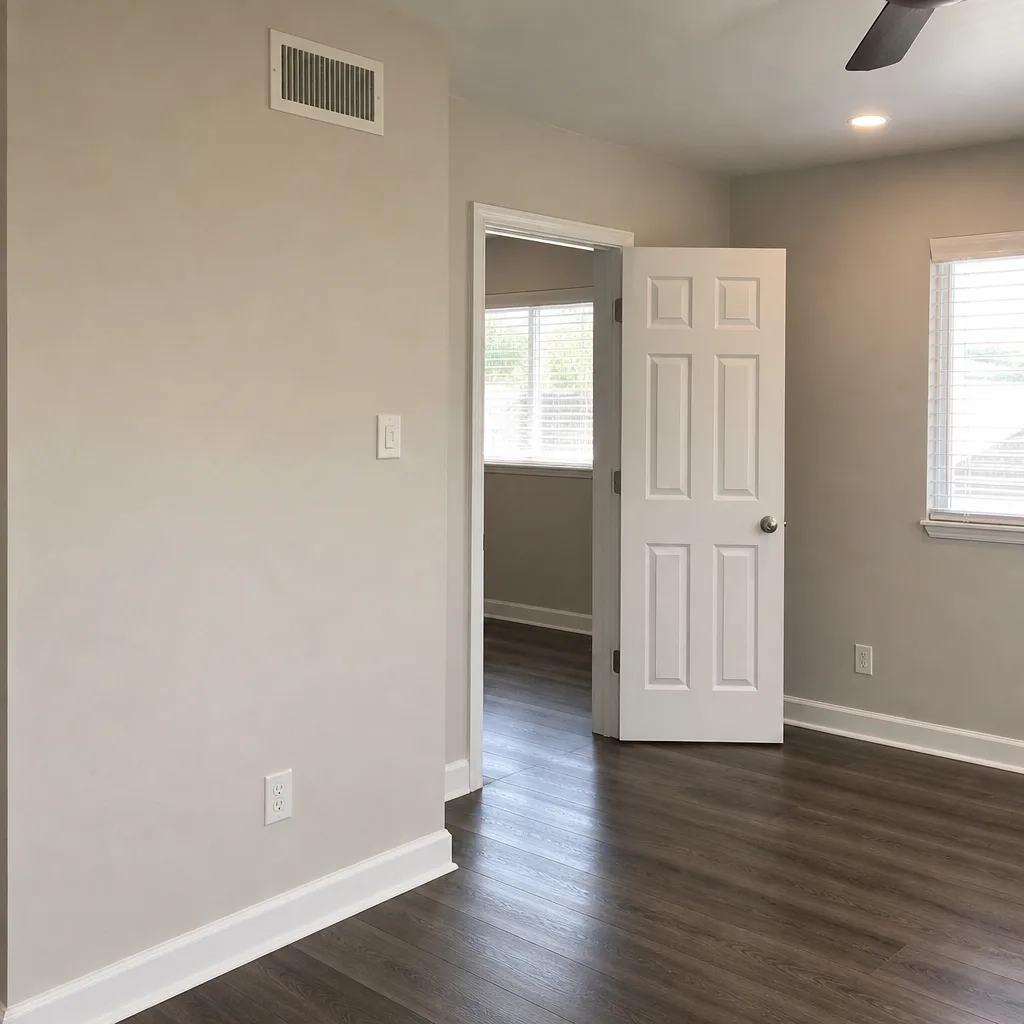
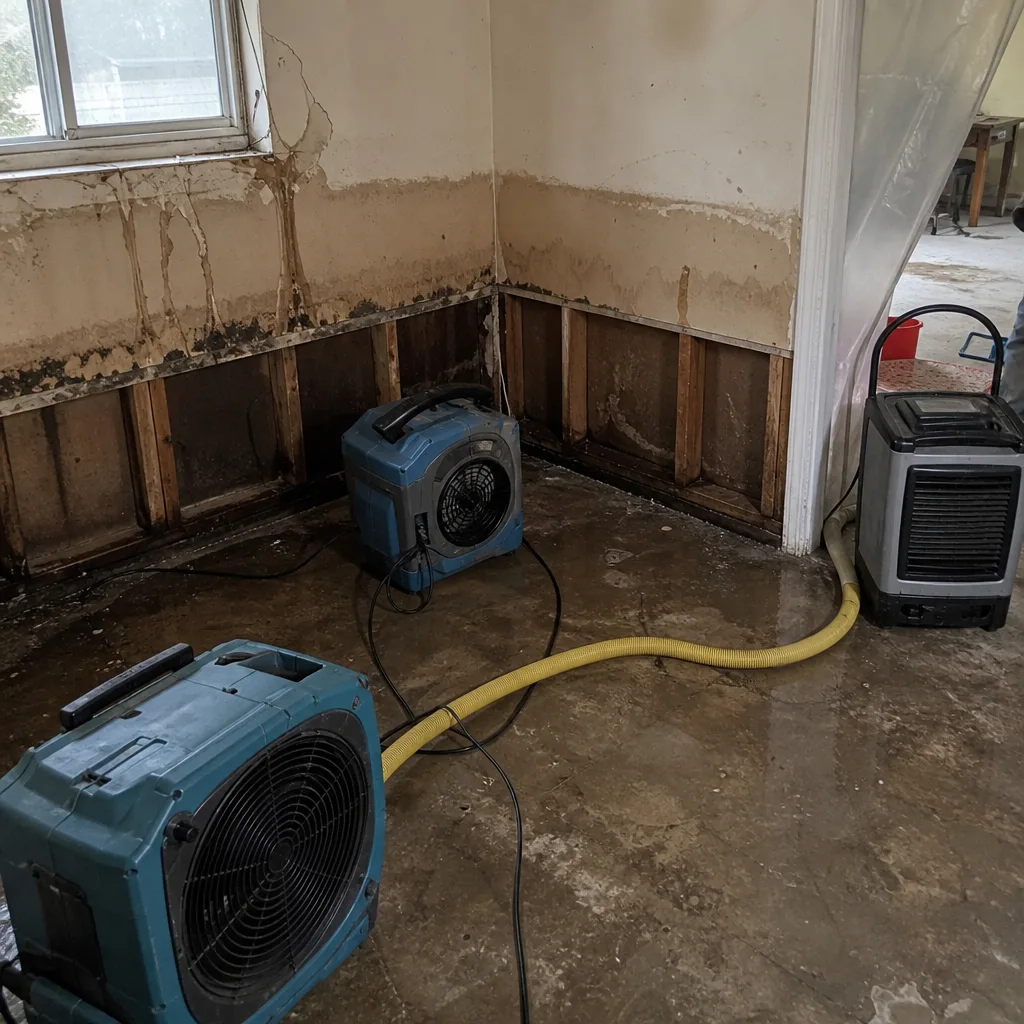
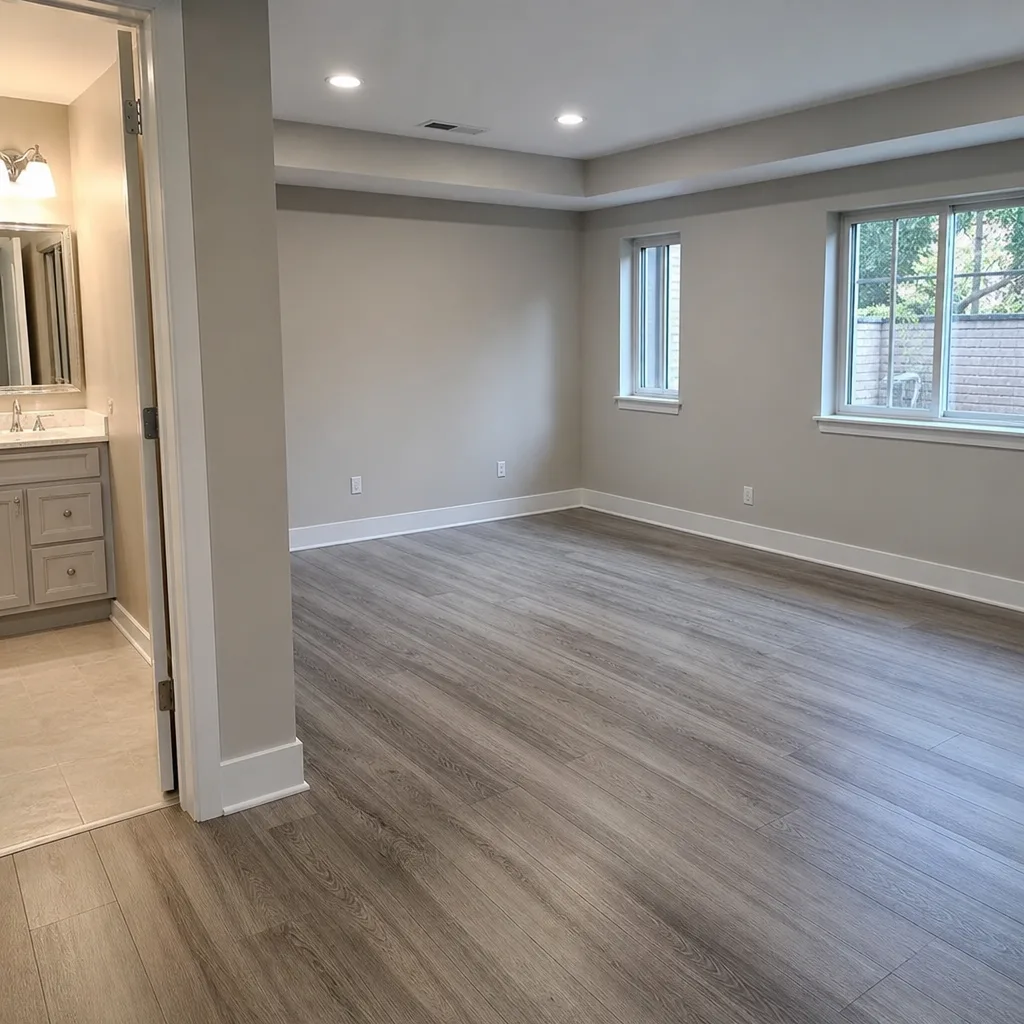
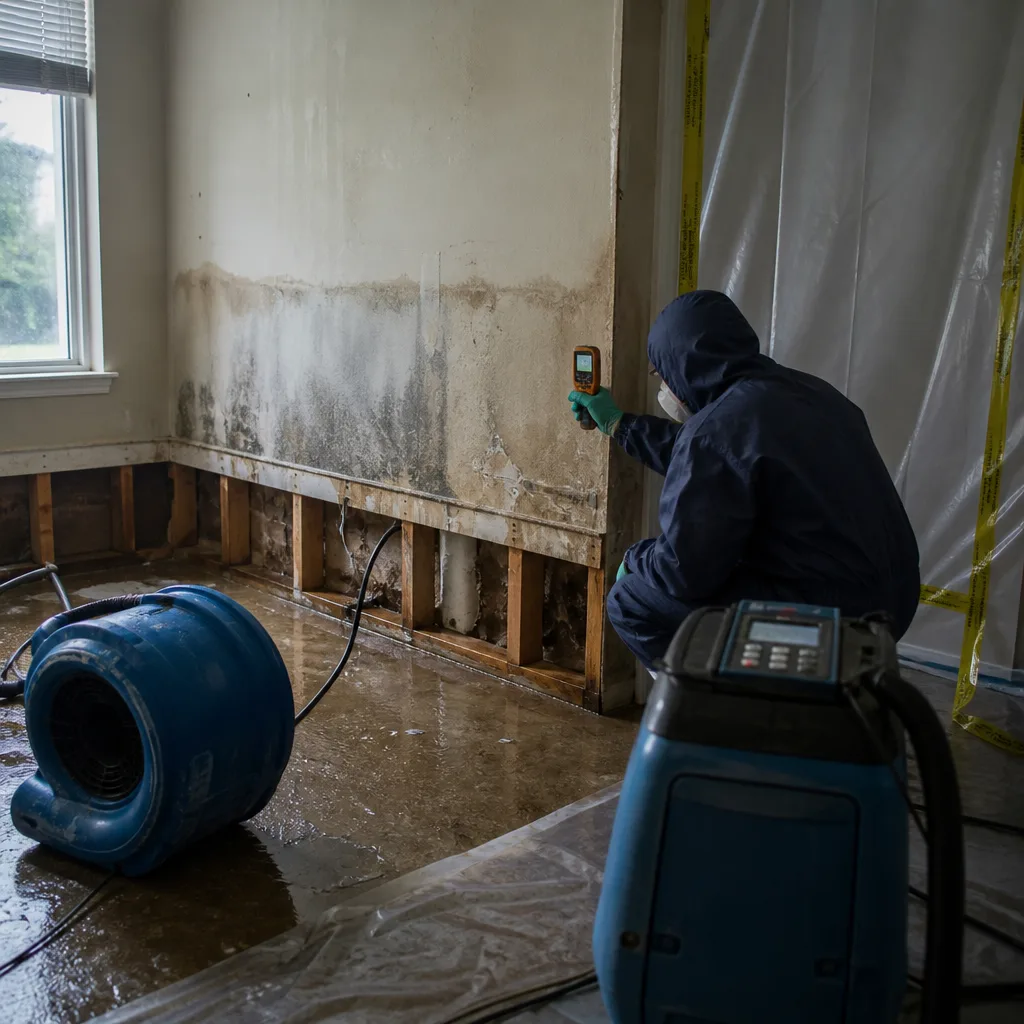
See the difference
 Before
 After
 Before
 After
 Before
 After
When to Call a Professional
Some damage events are straightforward. A small supply line leak that you catch immediately, dry completely, and monitor with a moisture meter can sometimes be handled without professional help. But most significant damage events call for a professional response. Call a restoration professional when the water has reached building materials beyond surface level, when visible mold is present, when the damage involves contaminated water, or when smoke or soot has spread beyond a small area. If you’re uncertain, call anyway. Clean Slate Water Damage offers free estimates in Pomona, call (888) 508-8745, and we’ll assess the situation directly.
Frequently Asked Questions
Most water damage restoration projects in Pomona take 5 to 10 days from initial mitigation through drying verification, with rebuild time added depending on the scope. Mold remediation typically runs 3 to 7 days plus clearance testing. Fire damage restoration varies widely, from 2 weeks for minor smoke damage to 3 months or more for structural rebuild. The timeline depends on the extent of damage, the materials involved, and how quickly the process started. Call (888) 508-8745 for a project-specific estimate.
Most homeowner’s insurance policies in Pomona cover sudden and accidental water damage, fire damage, and in many cases mold remediation when it results from a covered loss. Gradual leaks and long-term moisture issues may not be covered. Documentation from your restoration contractor with moisture logs and photos significantly improves your claims process. We coordinate directly with your adjuster, and estimates are free.
Mitigation is the emergency response: stopping the source, extracting water, containing the damage, and stabilizing the property. Restoration is the complete process of returning the property to pre-loss condition, including structural drying, demolition, rebuild, and verification. Many contractors offer mitigation only, leaving the rebuild to someone else. A full-scope contractor handles the entire sequence.
You know by measurement, not by touch. A moisture meter reads the moisture content inside the wall cavity, the subfloor, and the framing. The drying process is complete when those readings drop below the acceptable threshold for the specific material. Pomona’s dry air can make surfaces feel dry while interiors remain saturated. Insist on documented moisture readings from your contractor.
Mold can be effectively remediated to levels consistent with the outdoor environment, which is the IICRC S520 standard for clearance. Complete eradication to zero spores is not a realistic goal anywhere. What matters is removing the colonized materials, addressing the moisture source, containing the affected area during work, and verifying with post-remediation testing.
Immediately. Mold growth can begin within 24 to 48 hours of water intrusion, and Pomona’s warm temperatures accelerate the process. The faster extraction and structural drying begin, the less likely you are to face secondary mold contamination. Our team responds to Pomona calls the same day, call (888) 508-8745.
The Bottom Line
Damage restoration is a disciplined, sequenced process. Anything less than the full sequence is mitigation dressed up as restoration. Pomona’s climate creates specific challenges that require measured drying and contamination control. The difference between a property that’s truly restored and one that’s patched is documentation: moisture logs, scope of work, clearance testing. If your contractor can’t show you the paperwork, they can’t show you the verification. Clean Slate Water Damage handles water, mold, and fire restoration under one roof, with professional-grade equipment and IICRC-aligned processes. Call (888) 508-8745 for a free estimate in Pomona.
Written by the team at Clean Slate Water Damage, serving Pomona since 2018.