Last updated October 31, 2026
 Water damage drying
 Fire & smoke cleanup
 Mold remediation
 Storm response
 Sewage cleanup
 Reconstruction
Free visual inspection and a written scope of work before any mitigation begins - photos, moisture readings, and drying logs go in your claim file
The scope we write is the scope we bill. Anything new gets shown to you, in writing, before we touch it.
Get your free estimateDIY vs Professional Damage Restoration: The Pomona Homeowner’s Decision Guide
Here’s a number that should reframe how you think about water damage: a consumer-grade dehumidifier running for 48 hours removes roughly 30 pints of moisture from the air. A professional low-grain refrigerant unit removes 150 pints or more in the same window. That gap is not a matter of degrees. It’s the difference between a floor that dries and a floor that quietly feeds mold for the next ninety days. This guide was written to help Pomona homeowners understand exactly where DIY restoration stops working, why that threshold arrives sooner than most people expect, and how to make a call that protects both the structure and the insurance claim. For a step-by-step guide on how to hire a damage restoration contractor in Pomona, see our companion resource.
Restoration work we handle
Quick Answer
DIY restoration is appropriate only for small, clean-water spills under 10 square feet where you can fully dry the area within 24 to 48 hours and where no porous materials were saturated. Anything involving sewage, mold colonies larger than 10 square feet, electrical components, or water that has been sitting longer than a day, requires professional equipment and documentation. In Pomona, where stucco-over-wood-frame construction traps moisture inside wall cavities, the margin for DIY error is especially thin.
Table of Contents
- The Equipment Gap: What Consumer Rentals Actually Achieve
- Why Pomona’s Wall Assemblies Make Moisture Harder to Detect
- The Three Damage Categories Where DIY Is Objectively Dangerous
- What DIY Can Legitimately Handle (And How to Do It Right)
- Insurance Policy Language That Voids Coverage for DIY Remediation
- The Total Cost Comparison: DIY Failure Is More Expensive Than You Think
- Common Mistakes to Avoid
- When to Call a Professional
- Frequently Asked Questions
- The Bottom Line
The Equipment Gap: What Consumer Rentals Actually Achieve
Walk into any hardware store in Pomona and you can rent a carpet fan for about $25 a day and a small dehumidifier for another $30. Most homeowners assume this is roughly what a restoration company uses, just slightly smaller. That assumption is wrong in a way that matters.
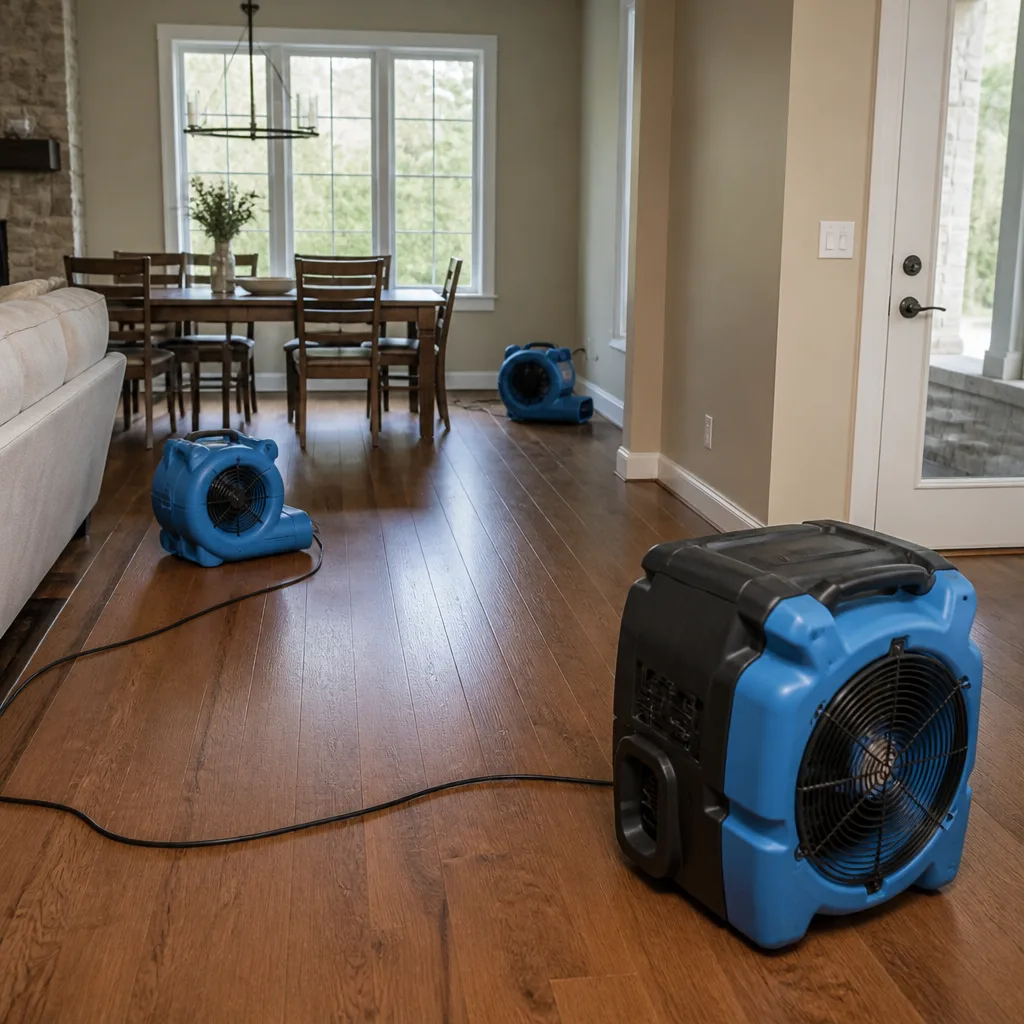
Our crews run Dri-Eaz and Phoenix refrigerant dehumidifiers that pull 150 to 220 pints of water per day depending on the model. A typical household dehumidifier, even a large one, tops out around 30 to 50 pints under ideal conditions. The difference is not just capacity. Commercial LGR (low-grain refrigerant) units are engineered to keep extracting moisture even when the air is already fairly dry, which is exactly the situation inside a wall cavity or under a subfloor. Consumer units plateau early because they are built for basements and laundry rooms, not structural drying.
The same logic applies to air movers. A rental carpet fan moves air across a surface, which helps the top layer dry but does little for the framing beneath. Professional air movers from B-Air and XPOWER are positioned to create a vortex pattern that forces air into and across every surface in the room, including the underside of drywall and the inside of wall cavities. Combined with Injectidry systems that push dry air directly into wall and floor cavities, the drying process targets exactly where moisture hides in Pomona’s stucco and wood-frame construction.
The practical result: a homeowner with rental equipment can spend three or four days running fans and still have a wet wall cavity. A professional crew with the right system can often complete structural drying in two to three days with documentation to prove it. That documentation matters for insurance, which we’ll get to.
Why Pomona’s Wall Assemblies Make Moisture Harder to Detect
Pomona sits at the eastern edge of Los Angeles County, where summer temperatures routinely pass 90 degrees and the air stays dry most of the year. That climate creates a false sense of security. Water evaporates quickly from visible surfaces, so a homeowner sees a dried floor and assumes the problem is solved. But inside the wall, behind the stucco and the vapor barrier, the story is different.
Most Pomona homes built between 1950 and 1990 use stucco over wood framing with fiberglass batt insulation. When water enters that assembly, either from a roof leak, a plumbing failure, or exterior intrusion, it sits against the kraft paper and wood sheathing. The exterior stucco does not breathe well. The interior drywall does not breathe well. The moisture has nowhere to go except into the framing itself, where it feeds mold growth and slowly weakens the structure.
We have seen Pomona homes where a kitchen supply line leaked inside the wall for weeks before the homeowner noticed a faint musty smell near the baseboards. By the time the drywall was opened, the bottom plate and studs were saturated, and the mold colony extended well past the visible stain. The homeowner had checked the area with a moisture meter from a hardware store, but consumer meters read surface moisture, not what’s happening an inch and a half inside the wall.
This is where the equipment gap becomes an information gap. Professionals use penetrating and pin-type meters that measure moisture at depth, plus thermal imaging cameras that show temperature differentials across entire wall surfaces. You cannot make informed decisions about structural drying if you cannot actually see where the water went. And in a Pomona wall assembly, that answer is rarely what the visible surface suggests.
The Three Damage Categories Where DIY Is Objectively Dangerous
This section is not about skill level. It is about the point where attempted self-remediation creates risks that no competent homeowner should accept. There are three categories of damage where the professional versus DIY decision is not really a decision at all.
1. Sewage Contamination (Category 3 Water)
Water damage is classified in three categories. Category 1 is clean water from a supply line or rainwater. Category 2 is gray water with some contamination, like washing machine discharge. Category 3 is grossly contaminated water containing sewage, bacteria, or other pathogens. If a toilet overflows, a sewer line backs up, or floodwater enters the home, you are dealing with Category 3.
DIY extraction of Category 3 water is not just ineffective. It is genuinely hazardous. Sewage contains E. coli, salmonella, hepatitis A, and a host of other pathogens that survive on surfaces for weeks. A homeowner with a wet vac and rubber gloves can remove standing water but cannot fully sanitize the affected materials or the air. Professional Water Damage Restoration in Pomona involves containment, negative air pressure to prevent cross-contamination, full removal of affected porous materials, and antimicrobial treatment aligned with IICRC standards. That process is not a preference. It is the difference between a restored home and a house that smells like a sewer every time it rains.
2. Mold Colonies Over 10 Square Feet
The EPA’s guidance is clear: mold colonies covering more than 10 square feet, roughly the size of a standard interior door, should be handled by a professional remediation contractor. The threshold is not arbitrary. A colony that size means the growth has reached structural materials, not just a surface layer, and the airborne spore counts in the room are likely elevated well above normal background levels.
In Pomona’s dry climate, homeowners sometimes dismiss visible mold as a cosmetic issue. But Pomona also has enough seasonal rain and enough aging plumbing to produce hidden colonies inside walls and under sinks. Attempting to clean a large mold colony without proper containment releases spores into the air where they spread to other rooms, and the moisture source goes untreated because the homeowner never found it. Mold Remediation in Pomona includes source identification, containment, air scrubbing, removal of contaminated materials, and post-remediation verification. Those steps are not optional extras. They are the entire point.
3. Any Damage Involving Electrical Systems
When water reaches outlets, wiring, panels, or any electrical component, the DIY conversation ends. Water and electricity are a lethal combination, and water damage to electrical systems often hides inside walls where a homeowner cannot see the corrosion that is already underway. A panel that got wet may function today and arc tomorrow. Wiring that was submerged may look fine from the outside while the insulation is degrading where it passes through a wet stud cavity.
Even with the power off, the process of drying and verifying electrical components requires specialized knowledge that falls outside any generalist’s scope. A professional restoration company will coordinate with a licensed electrician when needed and document every step for the insurance claim. If you attempt to dry an electrical area yourself and something goes wrong, you now own the liability, and your policy may not cover the result.
What DIY Can Legitimately Handle (And How to Do It Right)
The point of this guide is not to say that homeowners should never do anything themselves. There are real, legitimate DIY responses to water damage, and doing them well can meaningfully reduce the eventual scope of professional work. Here is what DIY is actually good for:
- Category 1 spills under 10 square feet. A clean water leak from a sink supply line or a spilled container, where you catch it within minutes and can dry the area thoroughly within 24 to 48 hours. Use towels, a wet vac, and a fan aimed at the surface. Check with a moisture meter after drying. If readings are elevated after 48 hours, call a professional.
- Documentation photography. Before you move anything, take photos of every affected area from multiple angles. Get close-ups of baseboards, flooring joints, and any visible staining. This documentation becomes evidence for your insurance claim, and it costs you nothing.
- Temporary water source shutoff. Every homeowner should know where the main water shutoff valve is and how to turn it off at the appliance level when a supply line fails. Shutting off the water within minutes of a leak can reduce the damage category from major to minor.
- Moving undamaged belongings. Furniture, electronics, books, and personal items in unaffected areas can be relocated to a dry space by the homeowner. This is genuinely helpful and reduces the time a professional crew spends on non-technical work.
- Tarping and temporary exterior covers. If a storm damages your roof, placing a tarp over the opening is an accepted, standard emergency response. The goal is mitigation, not a permanent repair.
Notice what these items share: they are all time-sensitive, surface-level, or documentation tasks. None of them require you to make claims about the structural integrity of your home. The dividing line between DIY and professional restoration is not about effort. It is about whether you can see and address the actual extent of the damage, and whether you can prove to your insurer that the work was done correctly. A water damage restoration maintenance checklist for Pomona homeowners can help you assess where you stand before making that call.
Insurance Policy Language That Voids Coverage for DIY Remediation
Most homeowners’ insurance policies contain language about the duty to mitigate, which requires the policyholder to take reasonable steps to prevent further damage. But that duty cuts both ways. Many policies also include provisions, often buried in the exclusions or conditions sections, that limit or void coverage for remediation performed by someone without appropriate professional credentials.
The standard language typically appears in one of three forms. The first is a requirement that all professional services, including water extraction and drying, be performed by a licensed contractor for the costs to be reimbursable. The second is an exclusion for mold remediation work not performed by a certified mold remediator. The third is a condition that the insurer’s adjuster must be able to verify damage through contractor documentation, which an owner-performed repair makes impossible.
What this means in practice: if you extract the water, dry the room with rental equipment, and then file a claim for mold damage discovered three months later, the insurance company may deny the mold portion because there is no professional record of the original drying. The paper trail matters. Professional restoration companies document initial moisture readings, daily drying progress, equipment placement, and final verification. That documentation is what insurers use to approve claims, not just to confirm that work happened, but to establish that the work met industry standards.
The practical lesson for Pomona homeowners: if you are going to file a claim, the claim starts with professional documentation. A DIY attempt that fails and then gets handed to a professional is also documented differently than a professional response from the point of loss. The claim is not ruined, but the path to approval gets longer and more contested.
The Total Cost Comparison: DIY Failure Is More Expensive Than You Think
There is a strong argument that the single most expensive decision in restoration is the decision to delay professional intervention while trying to fix the problem yourself. The math is straightforward, and it is not kind to DIY optimism.
A homeowner who attempts DIY drying of a moderate water loss might spend $200 to $400 on rental equipment, supplies, and their own time over three or four days. If the drying works, the total cost is that amount plus whatever repair work the homeowner can do themselves. That is the favorable scenario.
The unfavorable scenario starts the same way, but the drying does not work because the moisture is inside the wall cavity or under the flooring. The homeowner does not know this because they lack the metering equipment to see it. Three to six weeks later, the musty smell appears. Mold has established in the wall assembly. Now the professional remediation scope includes mold containment, air scrubbing, mold removal, structural drying, and reconstruction of the opened areas.
Industry estimates consistently put the cost premium for delayed professional remediation at 40 to 60 percent above what the original professional response would have cost. The failure is not just financial. The homeowner lived with mold for a month. The rebuild is more invasive. The insurance claim is more complicated because the original drying was not professionally documented. The lesson is not that homeowners are incapable. It is that the specific technical threshold where DIY stops working is invisible to the person standing in the room.
The same logic applies to Fire Damage Restoration in Pomona. Fire damage compounds quickly. Soot is acidic and corrodes surfaces within days. Smoke odor penetrates every porous material and requires professional techniques like ozone or thermal fogging to neutralize. A homeowner who attempts surface cleaning of a smoke-damaged room may see visual improvement while the odor remains permanently embedded in the drywall and framing. Professional fire restoration addresses the damage at the material level and includes structural cleaning, not just surface wiping.
Common Mistakes to Avoid
- Assuming visible dryness means the wall is dry. In Pomona’s stucco wall assemblies, surface evaporation misleads homeowners constantly. The exterior layer of drywall can feel bone dry while the framing inside is still at 20 percent moisture content. That hidden moisture feeds mold and weakens the structure.
- Using a household fan as a substitute for an air mover. A box fan moves a gentle breeze across a surface. A professional air mover creates a focused, high-velocity airflow that drives moisture out of materials. The difference in drying time is measured in days, and days are measured in mold growth.
- Skipping documentation because the damage “isn’t that bad.” Insurance adjusters work from documentation. No photos, no moisture readings, no professional report, no proof that the damage occurred or was addressed. Take photos before you move anything.
- Treating visible mold with bleach. Bleach is not an EPA-approved mold remediation product for porous surfaces. It kills surface mold but does not penetrate drywall or wood where the colony roots live, and the water in the bleach solution actually adds moisture to the material, feeding the mold you were trying to kill.
- Waiting a few days to “see if it dries on its own.” Water damage is most treatable in the first 24 to 48 hours. Every day after that increases the likelihood of mold establishment and structural saturation. The time to make a decision is at the point of loss, not after a weekend of watching.
- Renting equipment without knowing the drying target. Drying is a technical process with specific targets for moisture content and relative humidity. Without the right meters and a drying plan, running a dehumidifier is just circulating humid air around the room.
When to Call a Professional
Call a professional if the water is anything other than a small Category 1 spill contained to a single visible surface. Call if the water has been sitting for more than 24 hours. Call if the water came from a sewage backup, an exterior flood, or a leak that has been running inside a wall. Call if you can see mold larger than a dinner plate. Call if any electrical components were exposed. Call if you have an insurance claim and want documentation that holds up under adjuster review.
Clean Slate Water Damage offers free estimates in Pomona, and if the damage is small enough to handle yourself, we will tell you that. You can call us at (888) 508-8745 and describe what happened. We will give you an honest assessment of whether professional dryout is warranted or whether your money is better spent on a couple of fans and a weekend of monitoring. When the problem does require professional work, our crews arrive with commercial-grade drying equipment from Dri-Eaz, Phoenix, and Injectidry, and we document every step for your insurer.
Frequently Asked Questions
Professional water damage restoration in Pomona typically ranges from $1,500 to $4,500 for a moderate single-room water loss involving extraction, structural drying, and basic repair, but the final cost depends heavily on the water category, the square footage affected, and whether mold or reconstruction is involved. Category 3 sewage losses and whole-home flood events run considerably higher. Call (888) 508-8745 for a free estimate based on a site inspection, not a phone guess.
You can dry a small Category 1 spill under 10 square feet with fans and a consumer dehumidifier if you catch it quickly and confirm dryness with a moisture meter within 48 hours. Beyond that threshold, especially in Pomona’s stucco wall assemblies where moisture hides behind the surface layer, consumer equipment lacks the extraction capacity and the professional monitoring needed to achieve structural drying. An incomplete DIY dryout usually means mold remediation costs on top of the original water damage.
Reputable restoration companies in Pomona can typically dispatch a crew within hours of your call for an active water emergency, because the first 48 hours are when most structural damage and mold establishment can be prevented. At Clean Slate Water Damage, call (888) 508-8745 and describe your situation, we will give you a realistic arrival window based on current call volume and the severity of the loss.
Most homeowners’ policies cover sudden and accidental water damage, such as a burst pipe or a supply line failure, including the cost of professional mitigation. Gradual leaks, neglect, and flood damage from rising groundwater are generally excluded unless you carry separate flood insurance. Your restoration contractor’s documentation is often the key to getting the claim approved, which is one reason professional work beats a DIY attempt that leaves no paper trail.
If the mold colony is smaller than 10 square feet, started from a clean-water source, and is on a non-porous surface like tile or glass, you can often clean it yourself with proper protective gear. Any colony larger than 10 square feet, any growth on drywall or wood, or any mold caused by sewage water requires professional Mold Remediation in Pomona with containment and post-remediation verification. Cleaning visible mold without addressing the moisture source simply pushes the problem deeper into the material.
Professional drying equipment, including Dri-Eaz and Phoenix LGR dehumidifiers, removes five to seven times more moisture per day than consumer units and continues extracting water from air that is already fairly dry, which is where wall cavities and subfloors live. Systems like Injectidry push dry air directly into enclosed cavities, a technique that consumer equipment cannot replicate. The difference in drying time and completeness is not marginal. It is the difference between restoration and delayed mold remediation.
The Bottom Line
The decision between DIY and professional restoration is not a test of your competence as a homeowner. It is a question of whether you can see the full extent of the damage, apply the right equipment at the right scale, and document the result to a standard that satisfies your insurer. For small clean-water spills caught immediately, DIY is a legitimate option. For anything else in Pomona’s stucco and wood-frame housing stock, the technical threshold arrives fast, and the cost of guessing wrong compounds by the day. When in doubt, call (888) 508-8745 and ask. The estimate is free, and the answer will tell you which side of the line you are standing on. You can also explore more guides & resources on protecting your Pomona home.
Written by the team at Clean Slate Water Damage, serving Pomona since 2018.
See the difference
 Before
 After
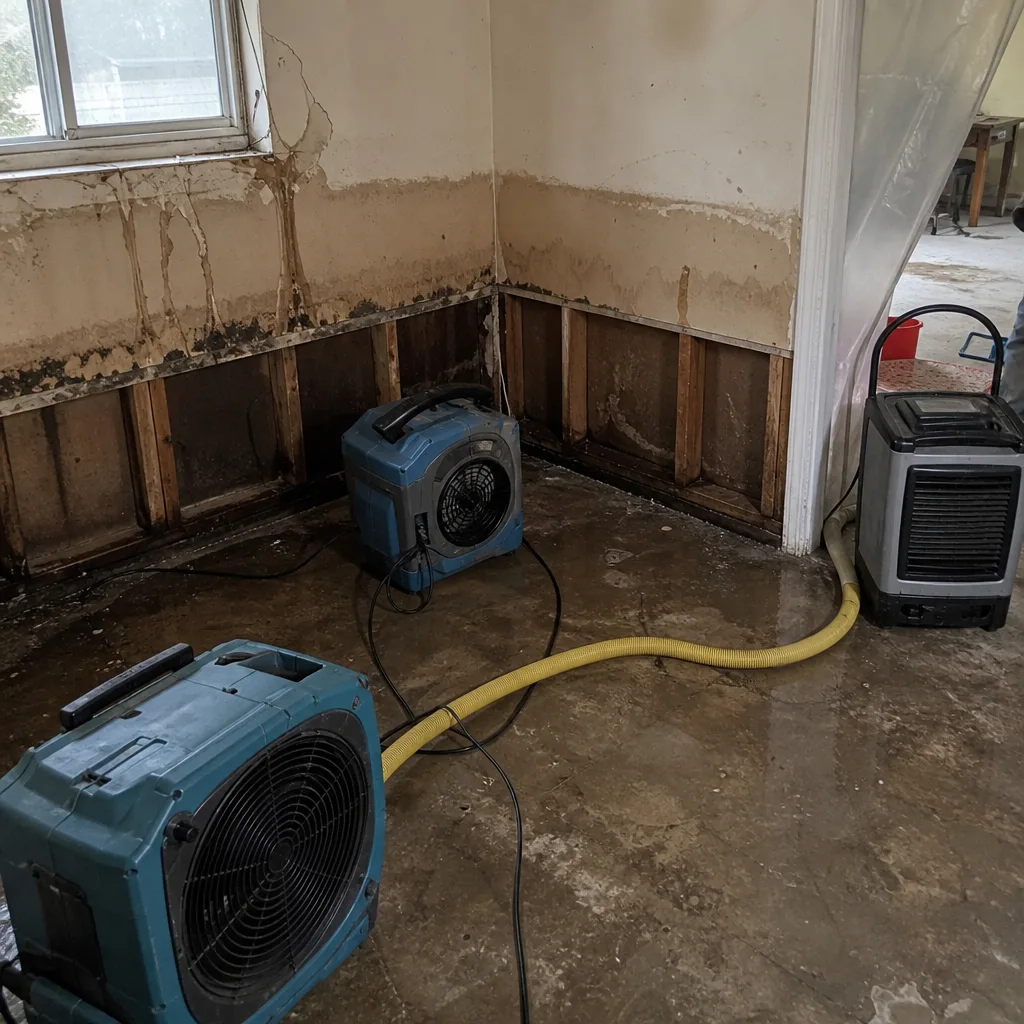 Before
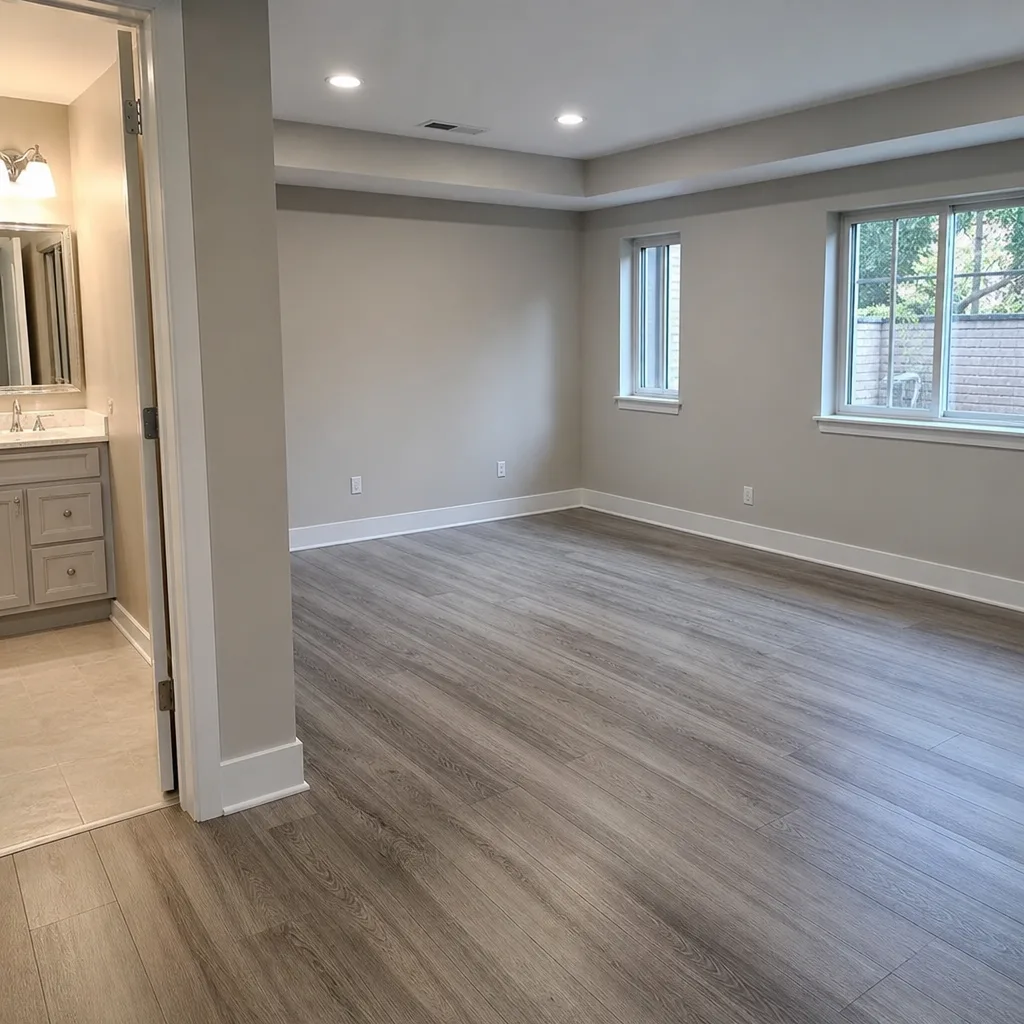 After
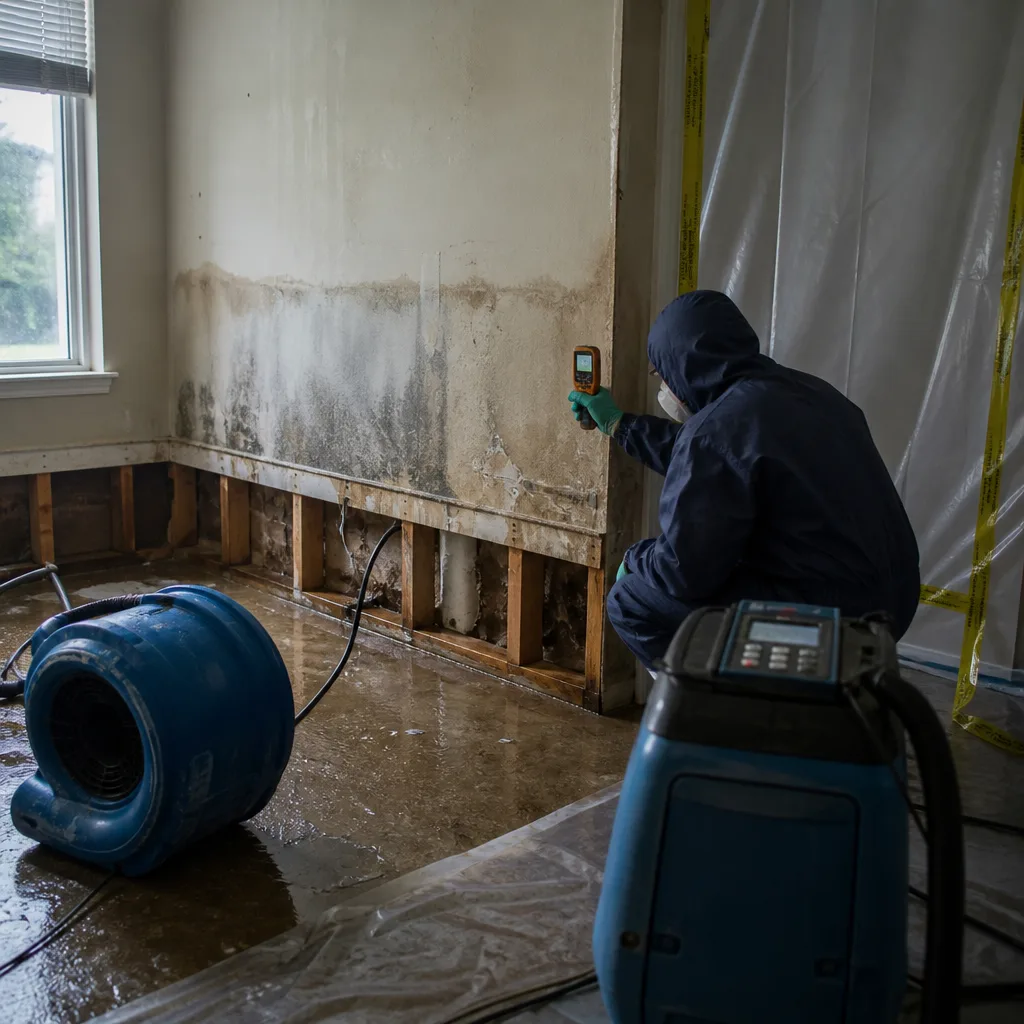 Before
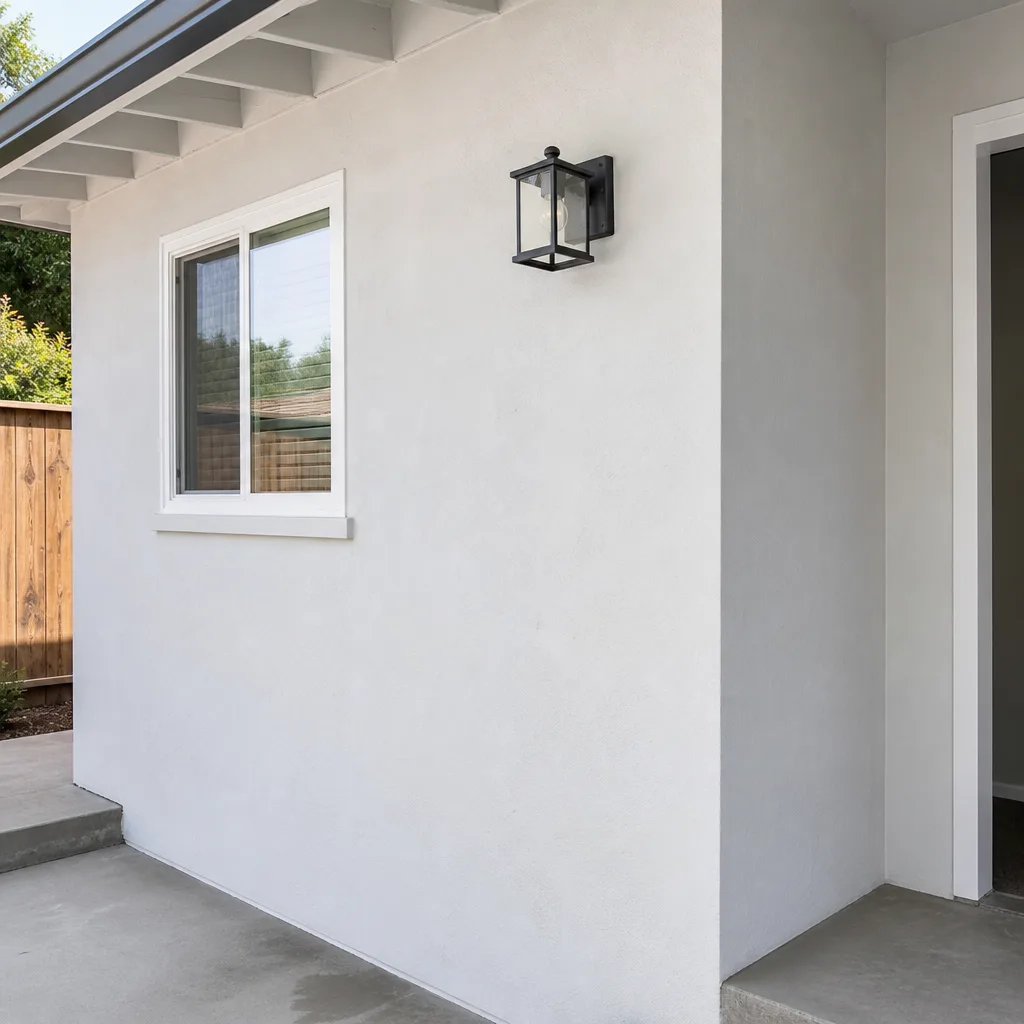 After